









The big US platforms sell in two ways: live shows and listings. Live shows sell in bursts on camera; listings sell around the clock from photos.

Choosing where to sell
Pick by your stock first and your time second.
Choose the platform to suit your stock. Cards and collectibles move fastest where buyers can watch and bid. Clothing moves where buyers search by size and brand, and spare parts and electronics go where buyers type in a model number.
The second choice is live or listing. A live platform sells in bursts: two hours on camera, then 40 orders to pack the next morning. You need a camera, light and sound before anything else. A listing platform sells day and night from photos, so the setup leans on storage, a photo spot and a fast packing routine.
You'll probably end up on two platforms: one live and one listing, or two listing sites carrying the same stock. Cross-listing puts each item in front of more buyers, and you have to end a sold listing everywhere at once. Keep one master list and give every item a shelf code.
Fees change often, so this page describes how each platform charges and leaves the rates to the platforms. Before you price a range, open the platform's own fee page and work out what you keep on a typical sale after shipping and packaging.
Whatnot
Live shows for sports cards, Pokémon, collectibles and vintage. Your camera, light and sound sell as much as the stock does.
- Suits
- Card, coin and collectibles sellers who are happy on camera and can run a show for an hour or more.
- How fees work
- You pay a commission on each sale plus a payment processing fee. Buyers pay shipping at checkout.
12 setups

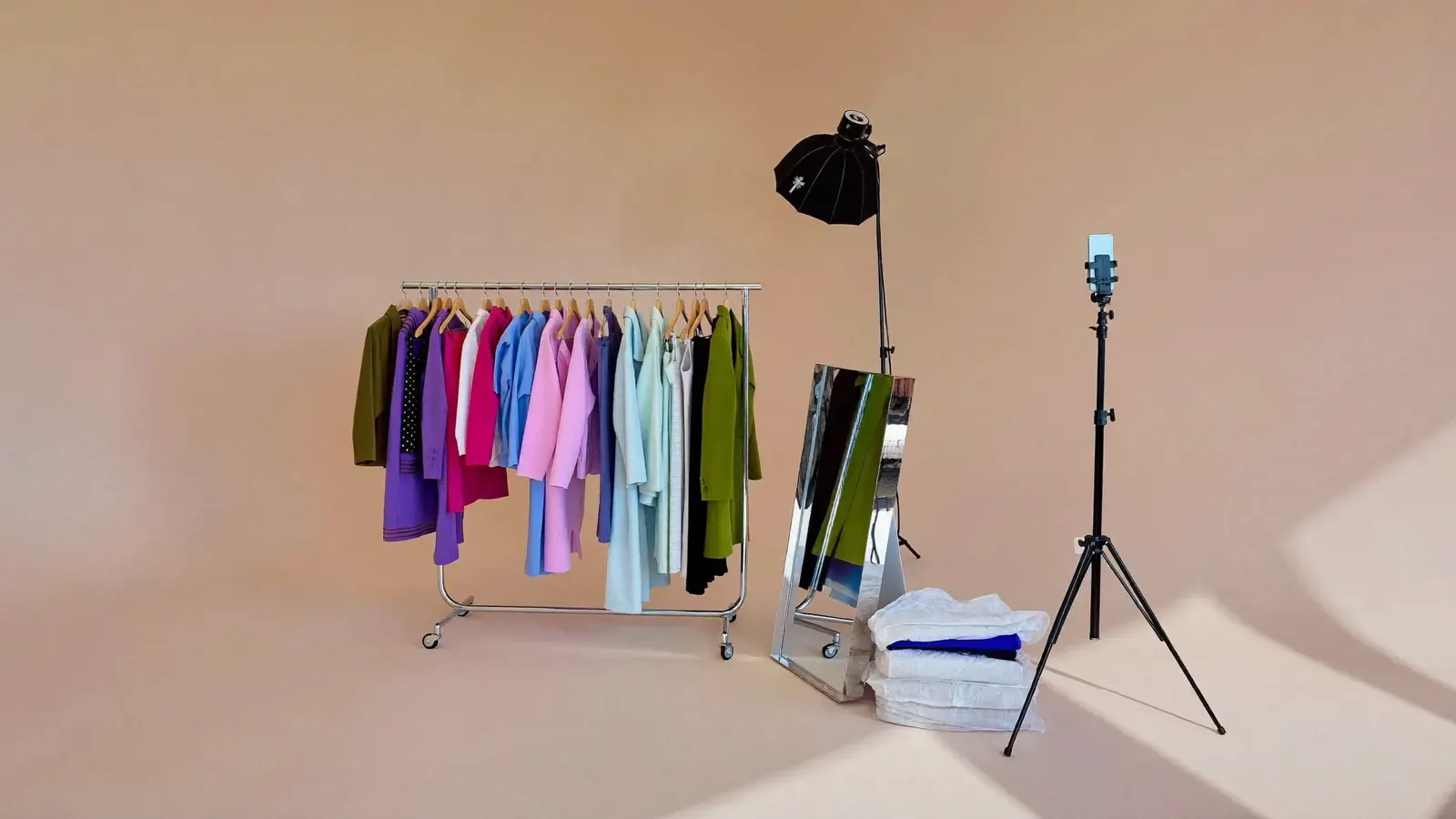



TikTok Shop
Short videos and live shows that sell straight from the feed, with a camera, light and sound setup to match.
- Suits
- Sellers who enjoy making short videos and going live, with stock that looks good on camera such as beauty and fashion.
- How fees work
- You pay a commission on each order. Affiliate creators who promote your products take an agreed share on top.
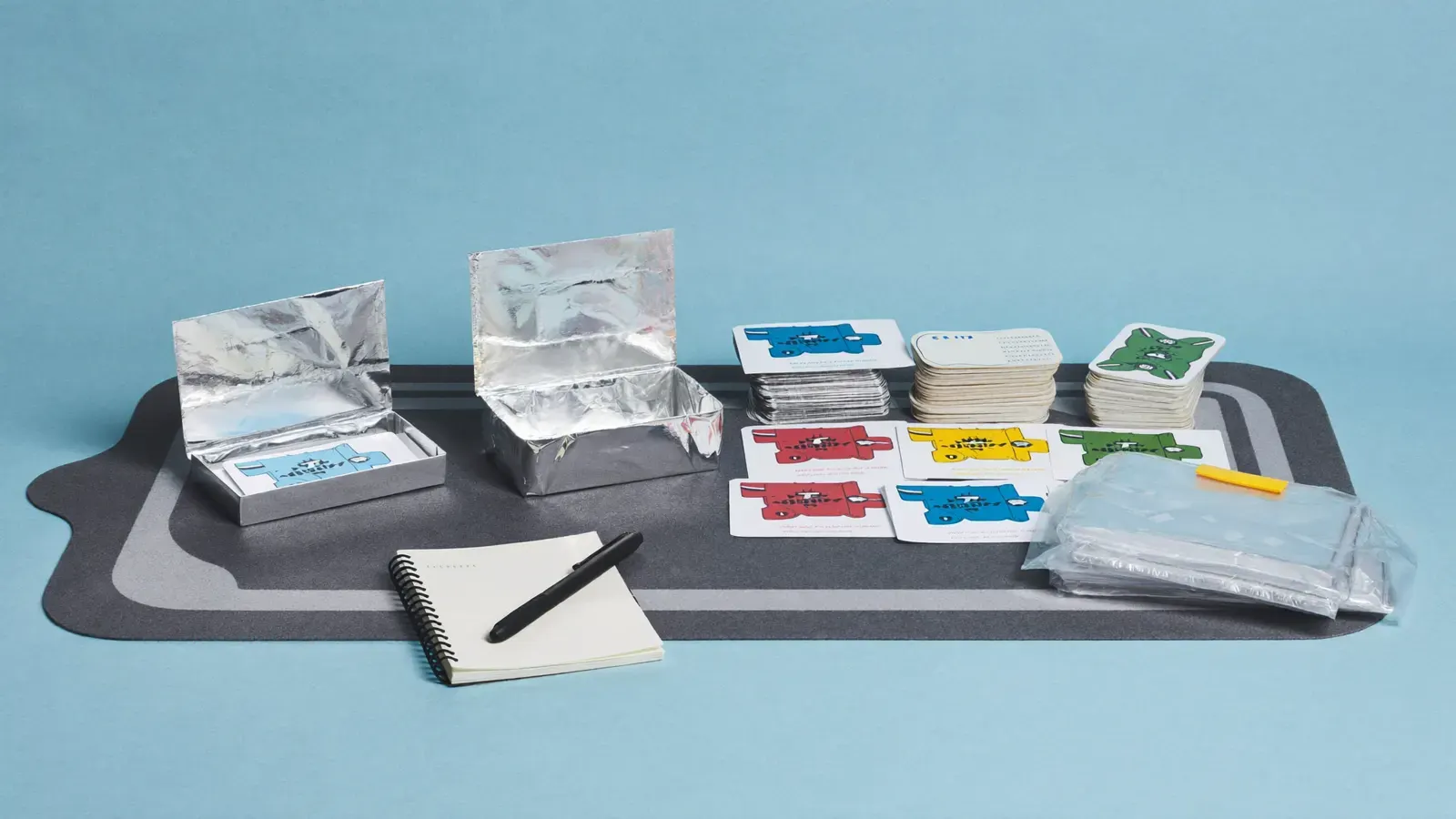
8 setups





eBay
A step-by-step guide on how to sell on eBay, covering listing, packing and eBay fees.
- Suits
- Sellers with a wide mix of stock, from single cards to boxed sneakers, who want buyers searching for exact items.
- How fees work
- You pay a final value fee on each sale, a share of the total including shipping, plus a fixed fee per order. Promoted listings cost extra.
23 setups




Vinted
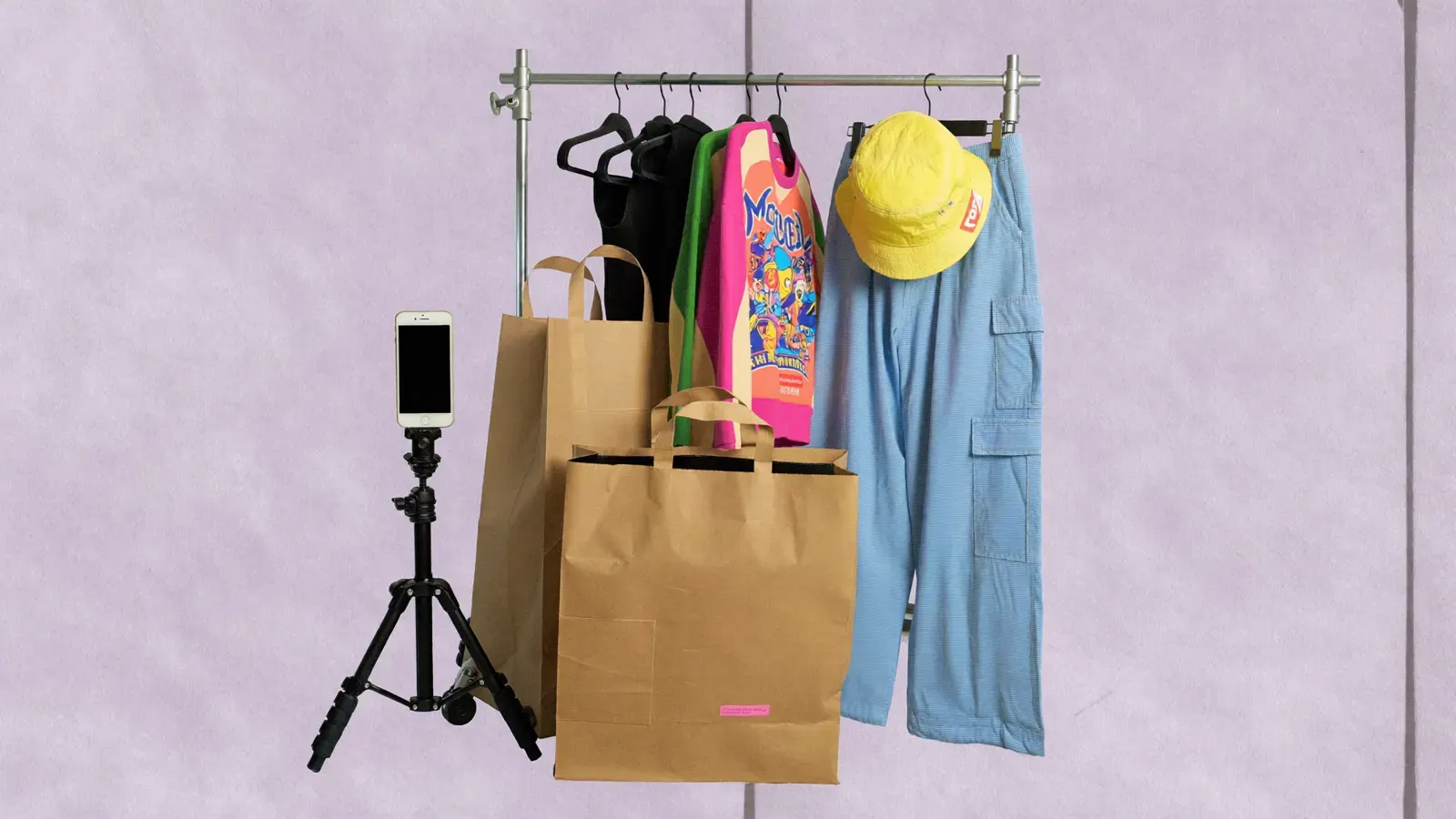
Vinted opened in the US in January 2026 with no selling fees for sellers. Spend on a rail, steady light and a packing table, and ship the day an order comes in.
- Suits
- Clothing sellers with a lot of single items who want low costs and quick drop-offs.
- How fees work
- Check the platform's fee page for the current seller fee. Buyers pay shipping at checkout, and paid bumps to promote items are optional.
8 setups
Etsy
Buyers looking for handmade, personalized and vintage pieces. Your setup is about making, photographing and wrapping each order well.
- Suits
- Makers and vintage sellers whose buyers want handmade, personalized or one-of-a-kind pieces, often as gifts.
- How fees work
- You pay a small fee per listing, a share of each order including shipping, and payment processing. Offsite Ads take a share of sales they bring in.
5 setups




Depop
Vintage and streetwear buyers who shop by look. Your setup is about styled photos, a tidy rack and fast shipping.
- Suits
- Vintage and streetwear sellers with a clear style who list one-off pieces from their phone.
- How fees work
- US sellers pay no selling fee, only payment processing on each sale. Buyers pay shipping at checkout. Boosted Listings are optional.
4 setups


Facebook Marketplace
Local buyers in huge numbers, plus shipping across the US. You need quick photos, fast replies and a safe place to meet.
3 setups



Mercari
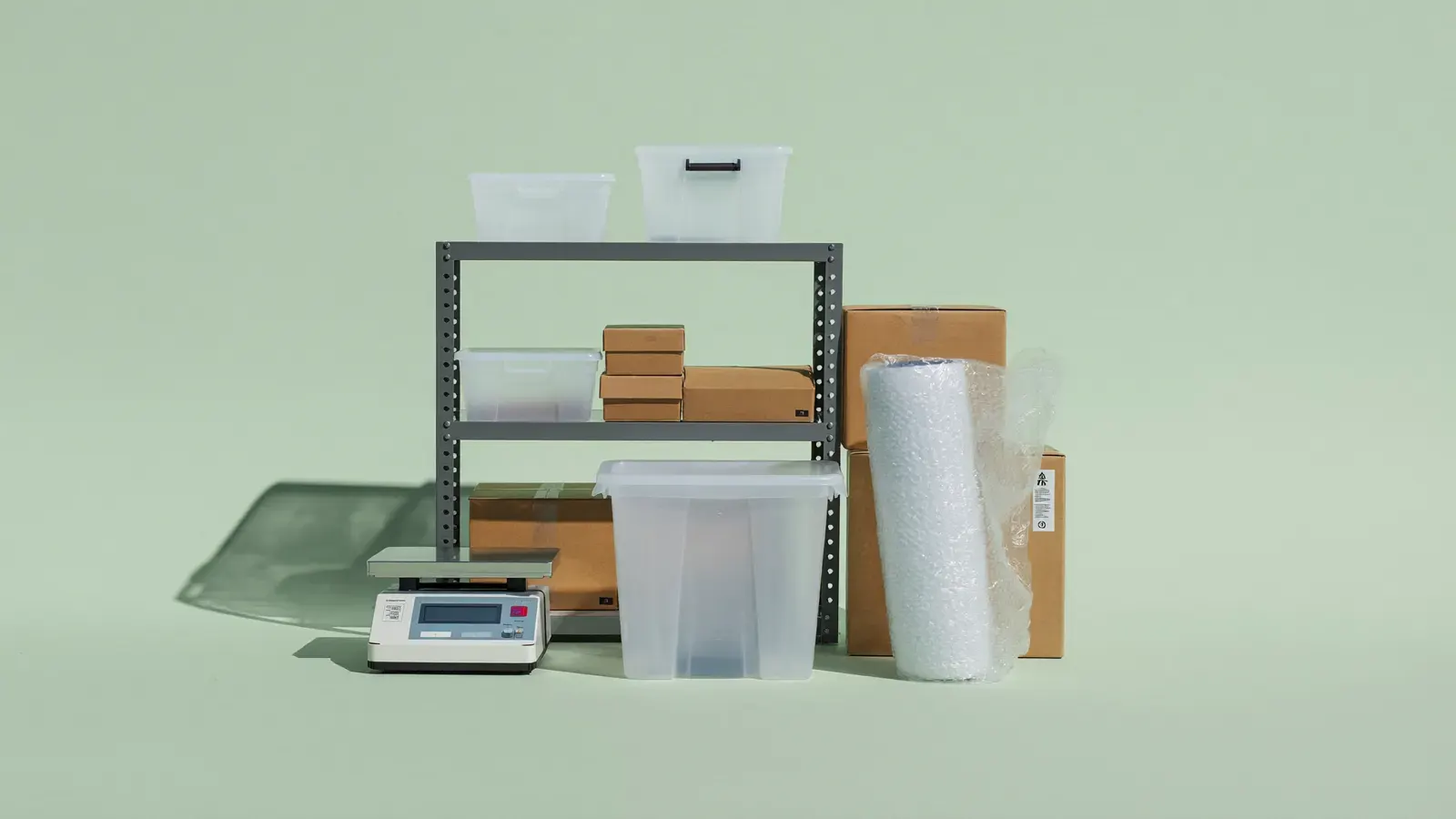
A US resale app for almost anything, from toys to electronics. You need clear photos, a scale and the right shipping option for each item.
3 setups


Poshmark
A practical guide on how to sell on Poshmark, covering photos, shipping, fees and closet setup.
3 setups

Vestiaire Collective
A resale marketplace for designer fashion, bags and jewelry, where buyers can pay to have your item checked by experts before it ships to them.
3 setups



Side by side
How each platform sells, who buys there and the stock that does well.
- Whatnot
- Live showsYes
- Selling styleLive auctions and buy-it-now during shows
- AudienceCollectors who watch and bid in real time
- Strong categoriesTrading cardsVintage clothingCoins and currencyFunko and vinyl figures
- How fees workYou pay a commission on each sale plus a payment processing fee. Buyers pay shipping at checkout.
- TikTok Shop
- Live showsYes
- Selling styleShort videos and live streams that sell from the feed
- AudienceViewers who find products while scrolling
- Strong categoriesVintage clothingToys and collectiblesBeautyHome decor
- How fees workYou pay a commission on each order. Affiliate creators who promote your products take an agreed share on top.
- eBay
- Live showsNo
- Selling styleFixed-price and auction listings, with eBay Live by invitation
- AudienceBuyers searching by model, size or set number
- Strong categoriesToys and collectiblesElectronics and gadgetsSneakersBooks, games and vinyl
- How fees workYou pay a final value fee on each sale, a share of the total including shipping, plus a fixed fee per order. Promoted listings cost extra.
- Vinted
- Live showsNo
- Selling styleListings, with offers and bundle discounts
- AudienceBuyers filtering by size, brand and price
- Strong categoriesVintage clothingSneakersDesigner handbagsBaby and kids
- How fees workCheck the platform's fee page for the current seller fee. Buyers pay shipping at checkout, and paid bumps to promote items are optional.
- Etsy
- Live showsNo
- Selling styleShop listings found through search, with personalization options
- AudienceGift buyers searching for something specific
- Strong categoriesJewelry and watchesHome decorHandmade and craftsCrystals and minerals
- How fees workYou pay a small fee per listing, a share of each order including shipping, and payment processing. Offsite Ads take a share of sales they bring in.
- Depop
- Live showsNo
- Selling stylePhoto listings in a social feed, with offers and bundles
- AudienceYounger buyers following shops for a look
- Strong categoriesVintage clothingJewelry and watchesSneakersDesigner handbags
- How fees workUS sellers pay no selling fee, only payment processing on each sale. Buyers pay shipping at checkout. Boosted Listings are optional.
| Side by side | Whatnot | TikTok Shop | eBay | Vinted | Etsy | Depop |
|---|---|---|---|---|---|---|
| Live shows | Yes | Yes | No | No | No | No |
| Selling style | Live auctions and buy-it-now during shows | Short videos and live streams that sell from the feed | Fixed-price and auction listings, with eBay Live by invitation | Listings, with offers and bundle discounts | Shop listings found through search, with personalization options | Photo listings in a social feed, with offers and bundles |
| Audience | Collectors who watch and bid in real time | Viewers who find products while scrolling | Buyers searching by model, size or set number | Buyers filtering by size, brand and price | Gift buyers searching for something specific | Younger buyers following shops for a look |
| Strong categories | Trading cardsVintage clothingCoins and currencyFunko and vinyl figures | Vintage clothingToys and collectiblesBeautyHome decor | Toys and collectiblesElectronics and gadgetsSneakersBooks, games and vinyl | Vintage clothingSneakersDesigner handbagsBaby and kids | Jewelry and watchesHome decorHandmade and craftsCrystals and minerals | Vintage clothingJewelry and watchesSneakersDesigner handbags |
| How fees work | You pay a commission on each sale plus a payment processing fee. Buyers pay shipping at checkout. | You pay a commission on each order. Affiliate creators who promote your products take an agreed share on top. | You pay a final value fee on each sale, a share of the total including shipping, plus a fixed fee per order. Promoted listings cost extra. | Check the platform's fee page for the current seller fee. Buyers pay shipping at checkout, and paid bumps to promote items are optional. | You pay a small fee per listing, a share of each order including shipping, and payment processing. Offsite Ads take a share of sales they bring in. | US sellers pay no selling fee, only payment processing on each sale. Buyers pay shipping at checkout. Boosted Listings are optional. |

Questions
Straight answers to what sellers ask about this.
Which platform should I start on?
Start where your stock already sells: Poshmark or Depop for clothing, Whatnot or eBay for cards and collectibles, and eBay or Mercari for mixed stock. Add a second platform once you can pack a week of orders without a backlog.
Can I list the same item on two platforms?
Yes. End the listing on every other site the moment it sells, or use a cross-listing tool that does it for you. If you sell one item twice, you have to cancel one order, and cancellations count against your seller standing.
Do I need a camera to sell live?
A recent phone on an overhead or front mount is enough to start. Light and sound make the bigger difference: a soft light at an angle to the table and a clip-on mic. Our live setups show the kit at each budget.
Do platforms report my sales to the IRS?
Platforms send you and the IRS a Form 1099-K once your sales pass the federal reporting threshold, and some states set lower thresholds of their own. A form on its own doesn't mean you owe tax, and no form doesn't mean you owe none. Check the IRS guidance on Form 1099-K for your own position.
Do I need a separate setup for each platform?
No. The printer, scales and packaging work on every platform. Live platforms add a camera, light and sound; listing platforms add storage and a photo spot. Our setups show the overlap for common pairs.