





A numbering system, two racks and a shelf that let you find any sold vintage piece in under a minute, even at 300 items.
Updated October 9, 2026

Before you start
A numbering system, two racks and a shelf that let you find any sold vintage piece in under a minute, even at 300 items.
At three hundred vintage pieces, you can no longer hold every location in your head. You sell a 90s windbreaker on a Tuesday and spend twenty minutes pulling apart a pile to find it. At ten sales a week, that search eats more than three hours.
Set up one spare room so every piece has a code, a place and a listing that points to both: racks for things that wrinkle, bins for things that fold and a shelf for packing.
Kit for this
The products this guide uses, with typical US prices.
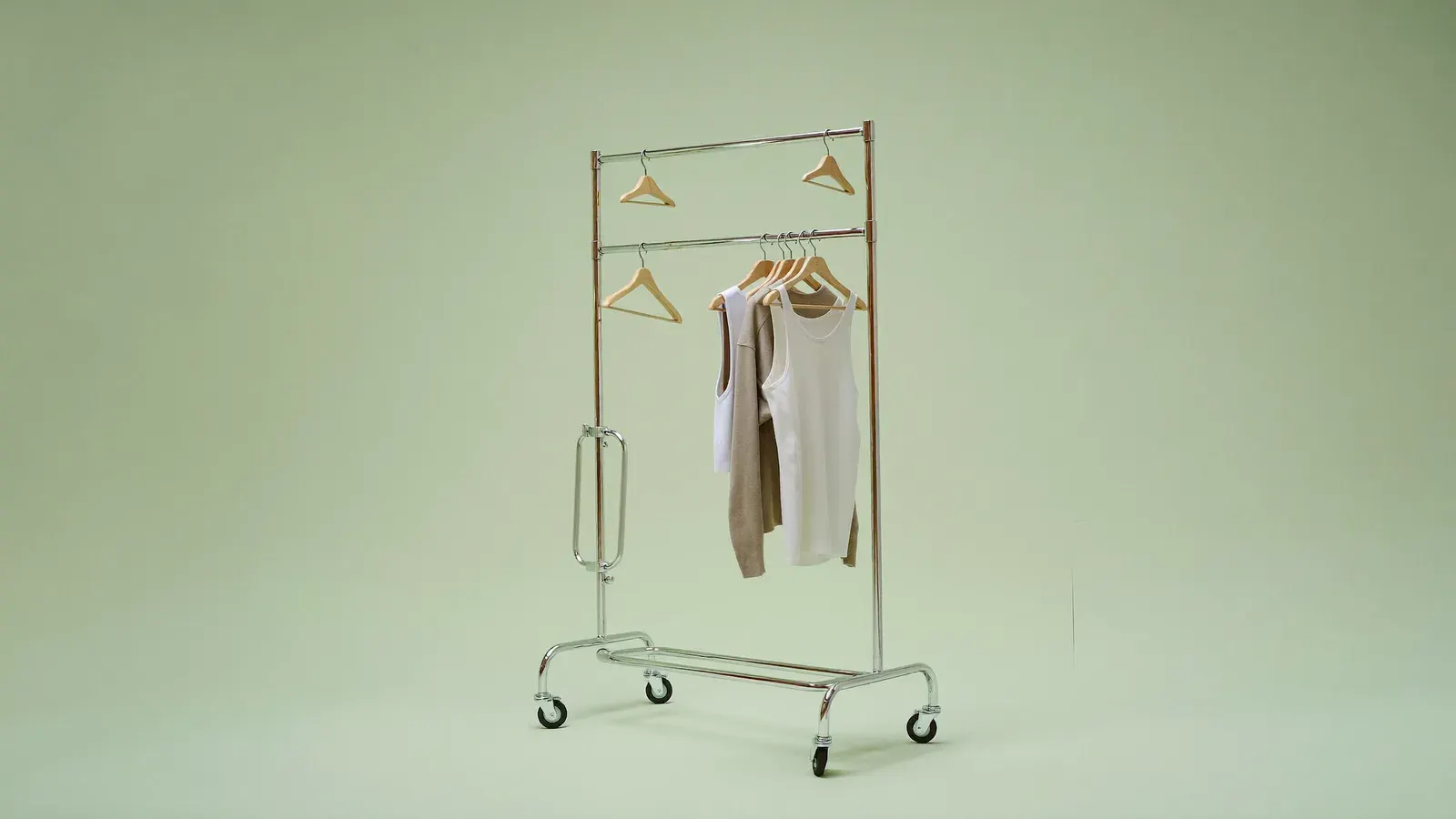
Heavy-duty double clothing rack
Hanging stock stays wrinkle-free, so it photographs and ships without ironing. A double rack fits along one wall of a spare bedroom.
Typical price$40 to $80
See on Amazon
5-tier steel shelving, 72 in
Floor space runs out first, so build up instead. Number the shelves and give each item an address you can pick from.
Typical price$40 to $90
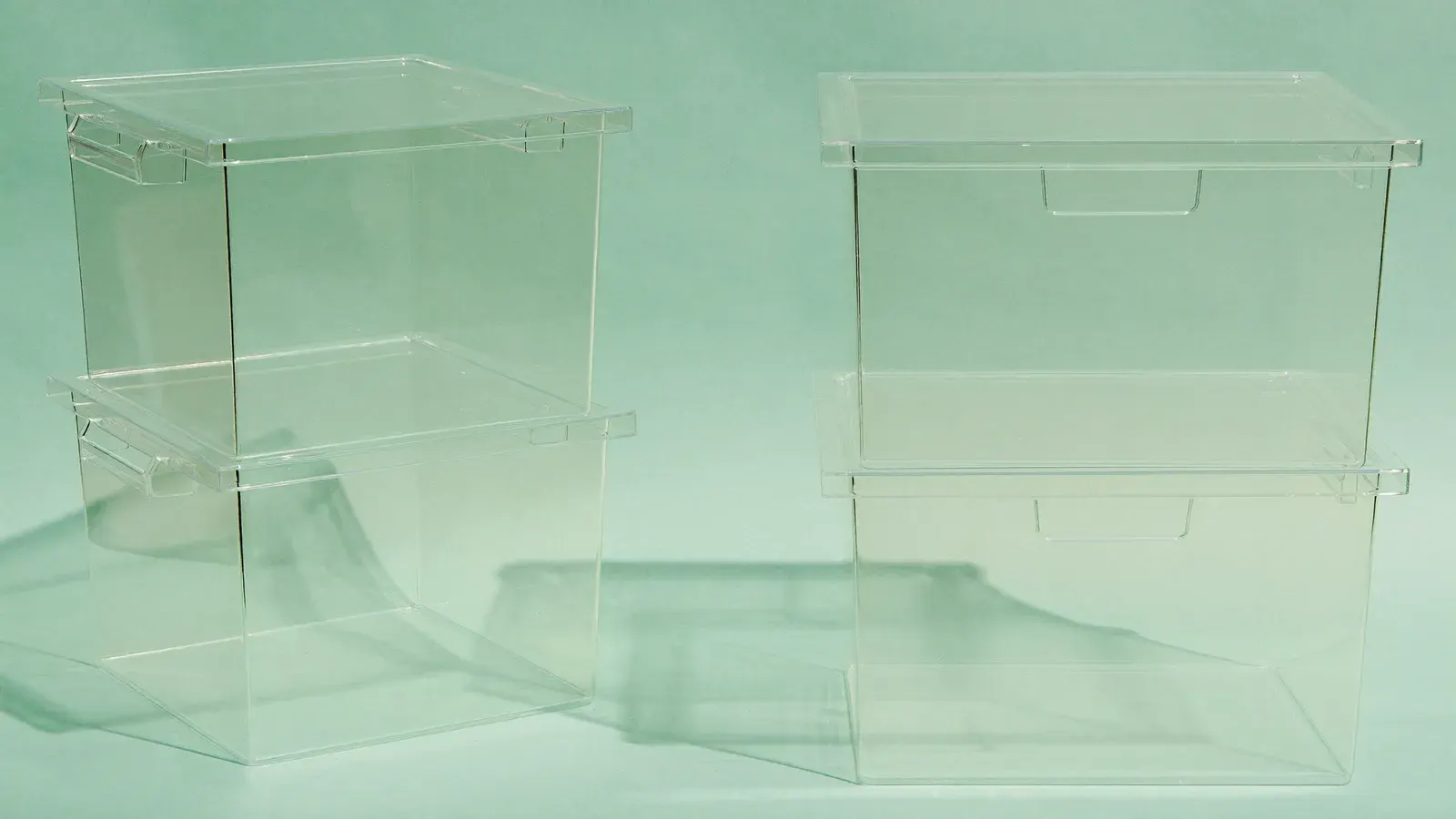
See on AmazonClear stackable 32 qt bins, 4 pack
Mark each bin with a shelf code and record the code against the listing. When an item sells, the code in the listing tells you which bin to open.
Typical price$30 to $55
See on AmazonRecyclable paper mailers, 50 pack
Costs several times as much per mailer as a poly bag, and buyers notice the paper. It suits vintage and handmade shops that sell on character.
Typical price$36 to $48
See on AmazonThe guide
Each step in the order you'll need it.
Give every item a code before you list it
Use a short code: a letter for the location and a number for the item. R1-045 means rack one, item 45. B3-012 means bin three, item 12. Write it on a hang tag or a strip of masking tape inside the collar.
Put the same code at the end of the listing title or in the SKU or private note field if your platform has one. Once it sells, read the code and walk straight to it. On Etsy, the SKU field under Inventory and pricing holds the code out of buyers' sight. On Depop, make it the last line of the description.
Hang what wrinkles, fold what does not
Coats, blazers, dresses and button-ups go on a heavy-duty double garment rack. Two racks hold roughly 150 slim hangers between them. Keep them in code order so R1-045 sits between 044 and 046.
Knitwear, denim, tees and sweatshirts fold into clear stackable bins. Label each bin on two sides so you can read it on the shelf or the floor.
Put the bins on a steel shelf
A six-foot, five-tier steel shelf holds eight to ten bins plus a packing shelf. Keep the heaviest bins low. Leave the waist-height shelf clear for packing supplies so you don't bend for every order.
Stack bins no more than two high on the floor. Otherwise you lift the top bin off every time you need the one underneath.
Kit for this step
Pull sold items the moment they sell
When a sale comes in, pull the item and move it to a sold basket by the packing shelf. The rack then holds only what is still for sale, and you won't pack a piece that already went.
Once a week, check the racks against your active listings. Anything on a rack with no listing gets relisted or donated. Anything listed but missing is a problem to fix that day.
Pack vintage so it arrives looking cared for
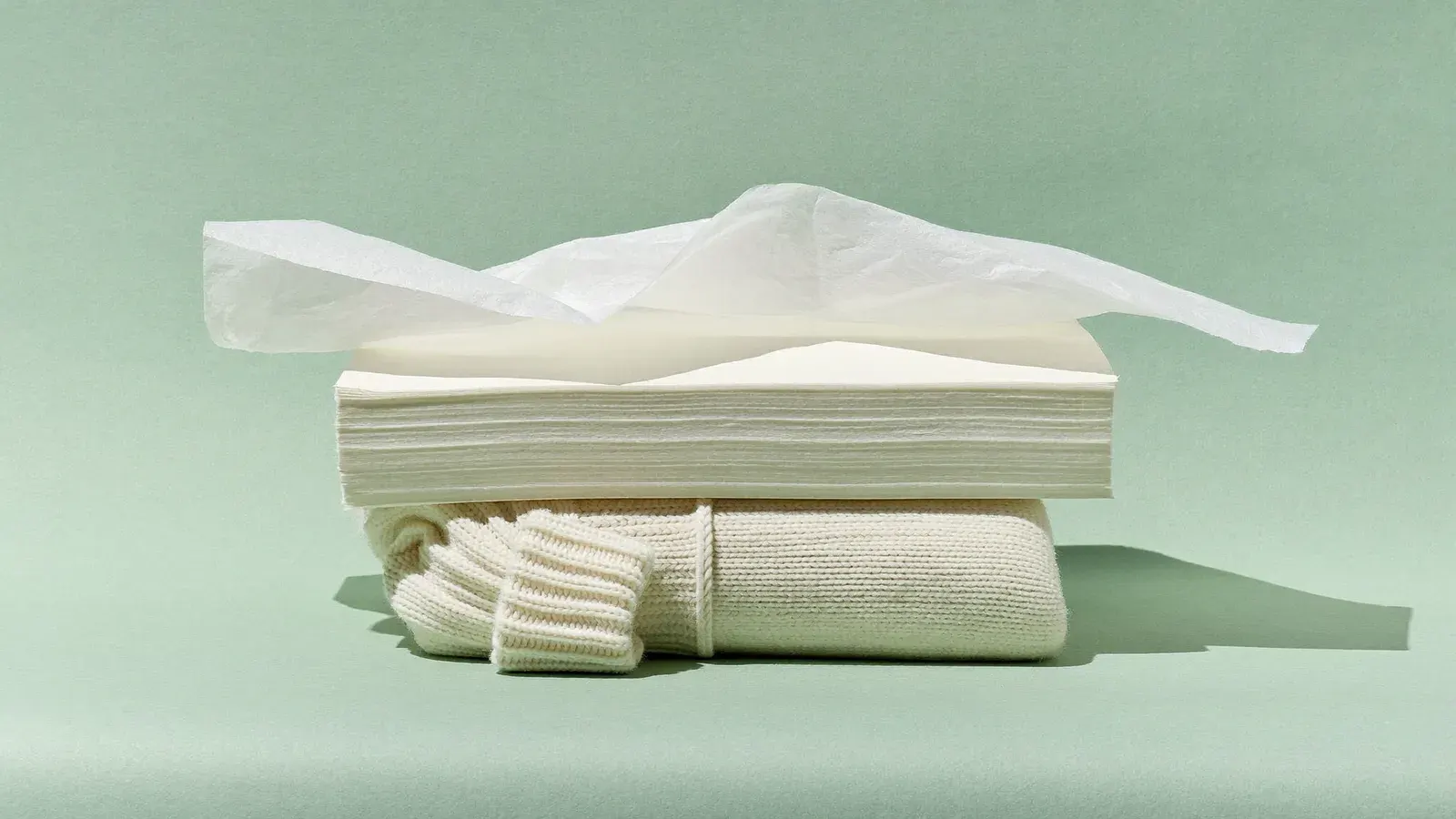
Fold the piece around a sheet of acid-free tissue, then slide it into a recyclable paper mailer. Heavier coats may need a box instead.
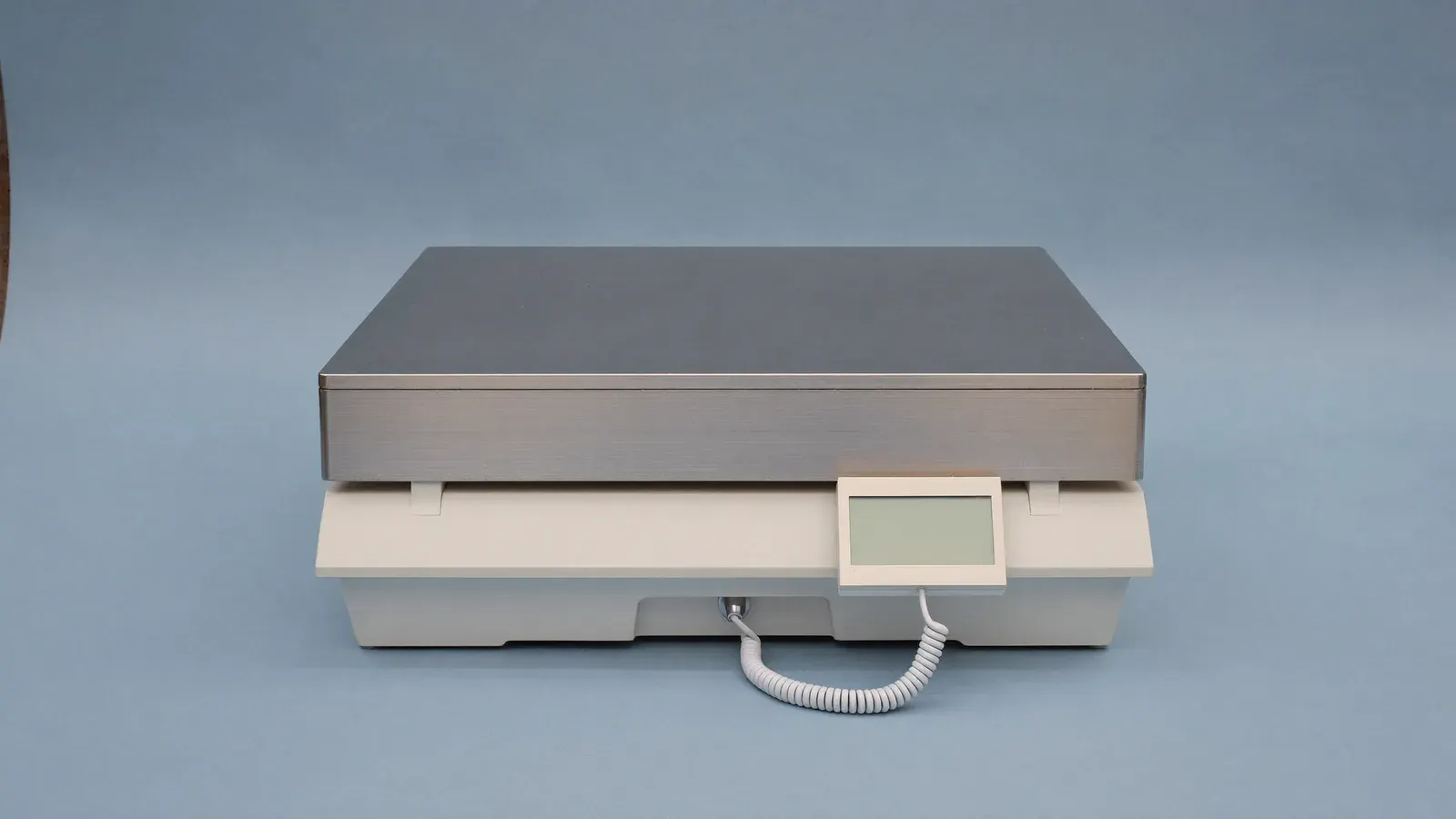
Weigh each package before printing the label. Vintage coats often weigh more than they look, and USPS and UPS price by the pound.
Add new stock without breaking the system
Put new buys in an intake bin before they reach a rack. Clean, photograph, measure and code them in one session, then put them away in code order.
Retire each code once it sells. The R1-045 gap stays until you reorganize the rack at the end of the month, so an old listing can't point at the wrong jacket.
Checklist
Run through it before each one goes out.
- 1Choose a code format: location letter plus item number
- 2Tag every item and add the code to its listing
- 3Hang pieces that wrinkle on racks in code order
- 4Fold the rest into labeled clear bins on the shelf
- 5Set up a sold basket next to the packing shelf
- 6Keep an intake bin for unprocessed new stock
- 7Check racks against active listings once a week
Setups
Complete kits for one kind of seller, costed and laid out.






Questions
Straight answers to what sellers ask about this.
How many clothes fit on one rack?
It depends on the hangers and the garments. Slim hangers and lighter pieces fit far more than coats on wooden hangers. Count yours after the first fill and plan the second rack from that.
Should I hang or fold vintage denim?
Fold it. Denim does not wrinkle badly and takes a lot of rack space. Bins work well, sorted by waist size.
Where do I put the item code on the listing?
At the end of the title or in the SKU field if the platform has one. Keep it short so buyers barely notice it.
Do I need a spreadsheet as well?
Not at 300 items if the codes are on the listings. A spreadsheet helps once you cross-list on Poshmark, eBay and Depop at once.
How do I stop moth damage in storage?
Store only clean pieces, keep bins closed and check wool items each month. Cedar blocks in bins are a common low-cost habit.
Can this work in a bedroom rather than a spare room?
Yes, with one rack and fewer bins. The codes work the same in a bedroom; you hold less stock.
Can I list all of it as vintage on Etsy?
Only pieces at least 20 years old count as vintage on Etsy, and Etsy can ask for proof of age. Newer pieces in a 90s style suit Depop, where buyers shop by look rather than by decade.