





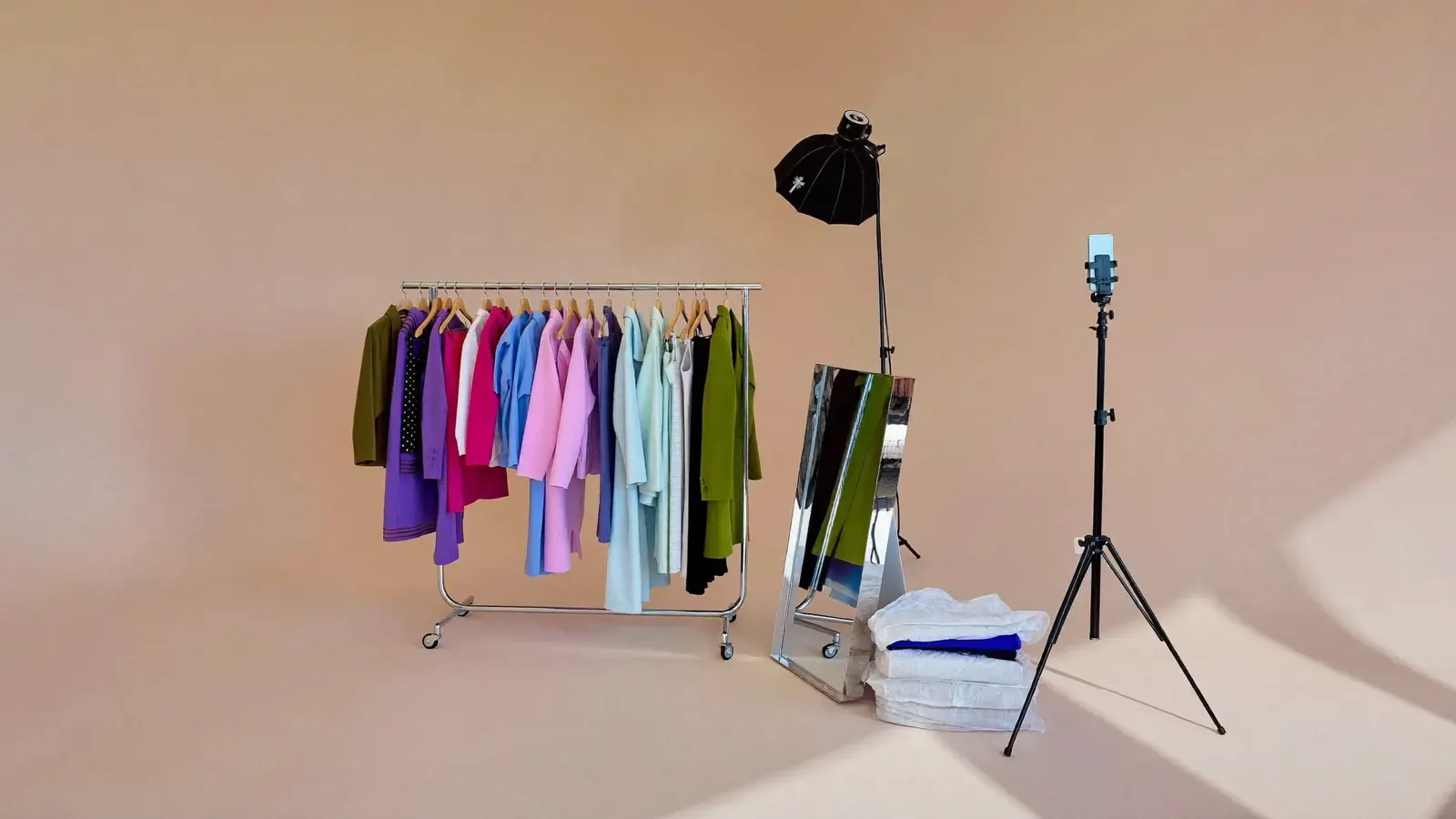
A rail, a tripod at eye height and soft light: the spare-room kit for selling women’s fashion and vintage live, then packing the sold pieces the next day.
Built forYou sell women’s fashion or vintage clothing in live shows on Whatnot or TikTok Shop, two or three evenings a week, sourced from thrift stores and estate sales, and ship 15 to 60 orders from home.
Kit total
$328 to $593
Running cost
$37 to $64 a month
Consumables at 38 orders a week
- Orders a week
- 15–60
- Space
- Spare bedroom
- Budget
- $400
Why this setup
You sell women’s fashion or vintage clothing in live shows on Whatnot or TikTok Shop, two or three evenings a week, sourced from thrift stores and estate sales, and ship 15 to 60 orders from home.
You sell clothes by showing them move. Buyers want to see the drape of a dress, the weight of a knit and the true color of a print. A phone on a tripod at chest to eye height, with two soft lights in front of you, shows all three.
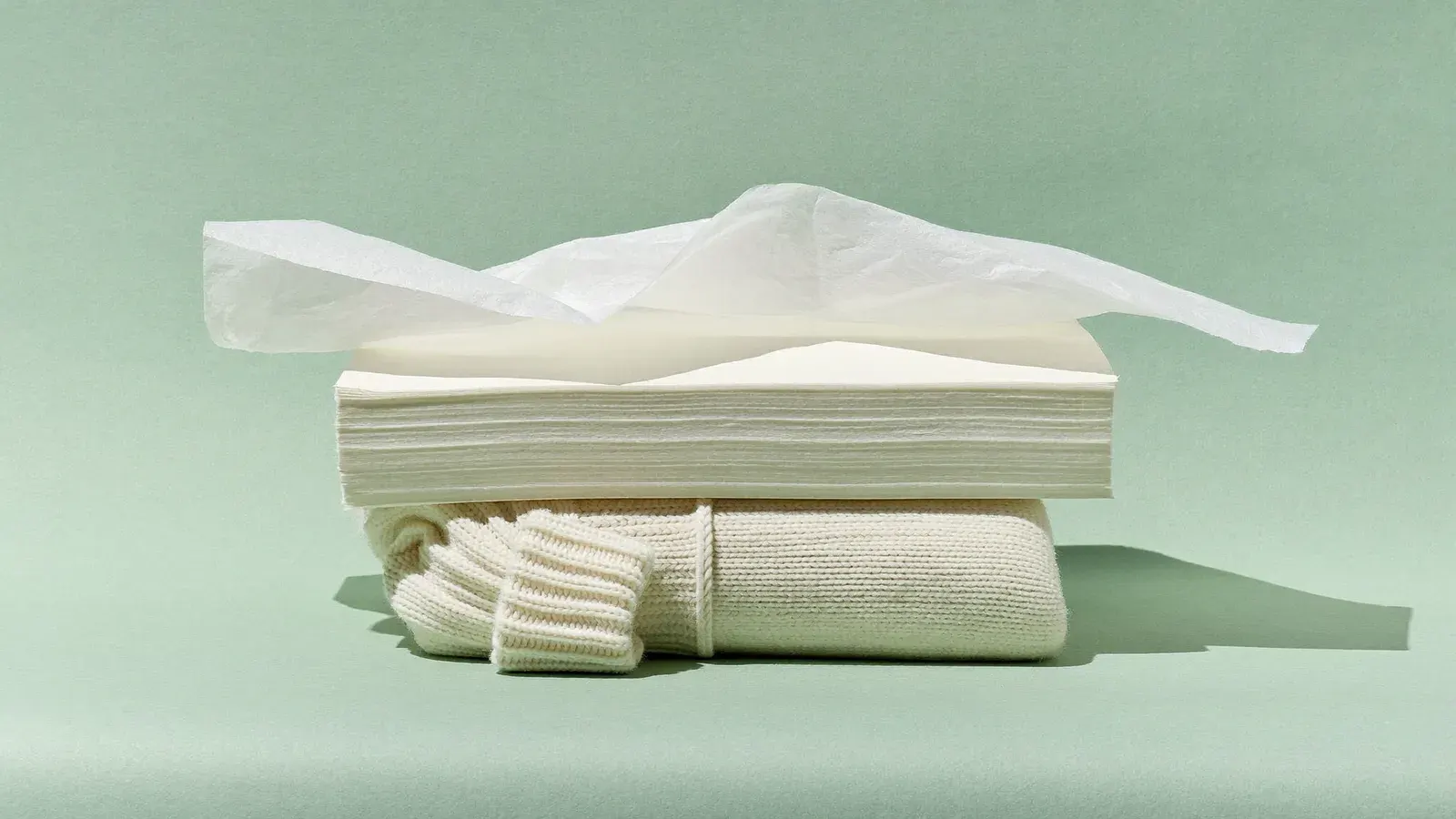
Use the rail as your running order. Hang tonight’s pieces left to right in the order you’ll sell them, and after the show work along the same rail to pack. Clothes ship flat and light, so a poly mailer, a sheet of tissue and a label cover most orders.
The kit
Every item, why it’s here and what it typically costs in the US.
Heavy-duty double clothing rack
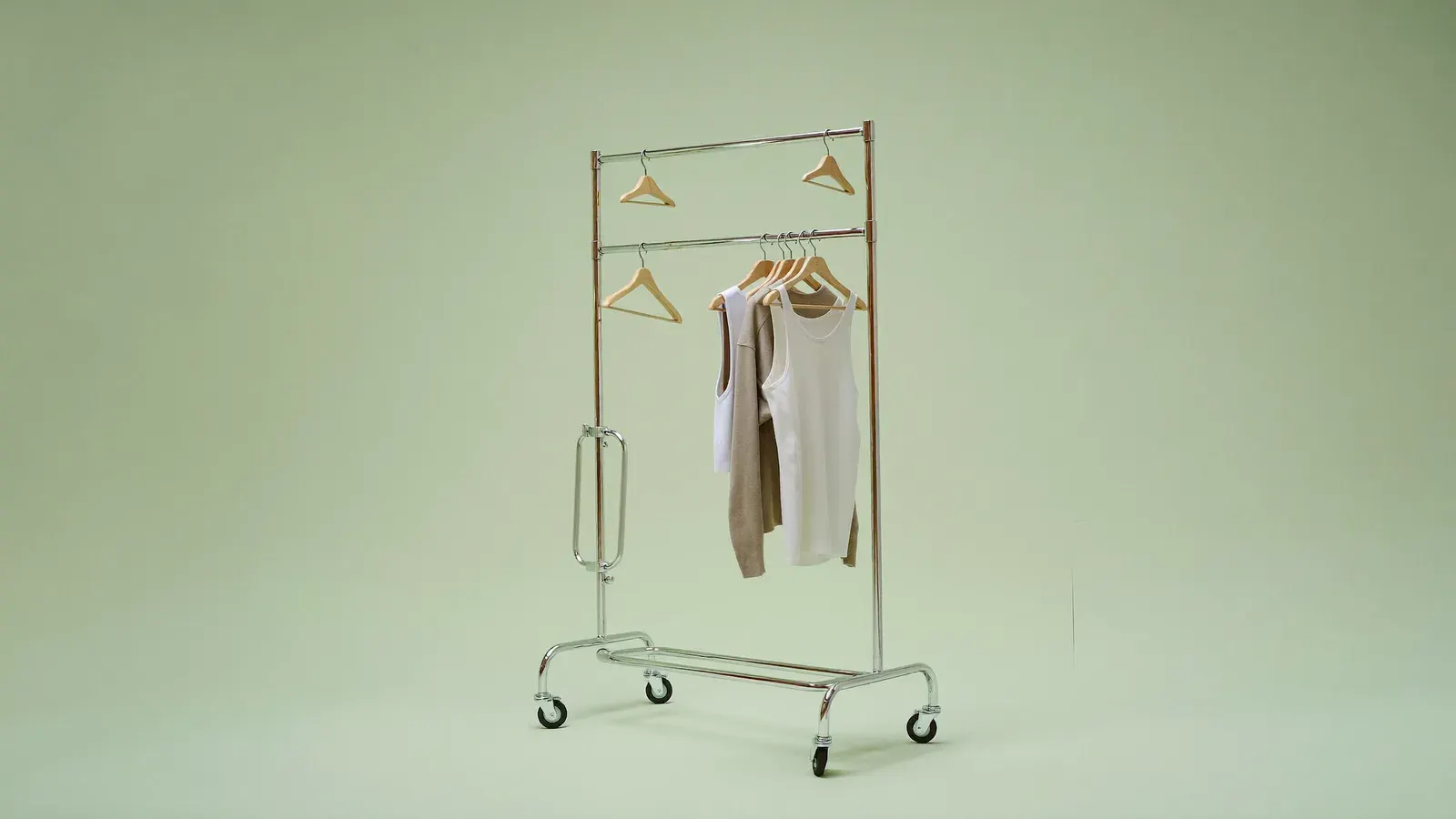
Hanging stock stays wrinkle-free, so it photographs and ships without ironing. A double rack fits along one wall of a spare bedroom.
Typical price$40 to $80
See on Amazon
60-inch phone tripod with remote
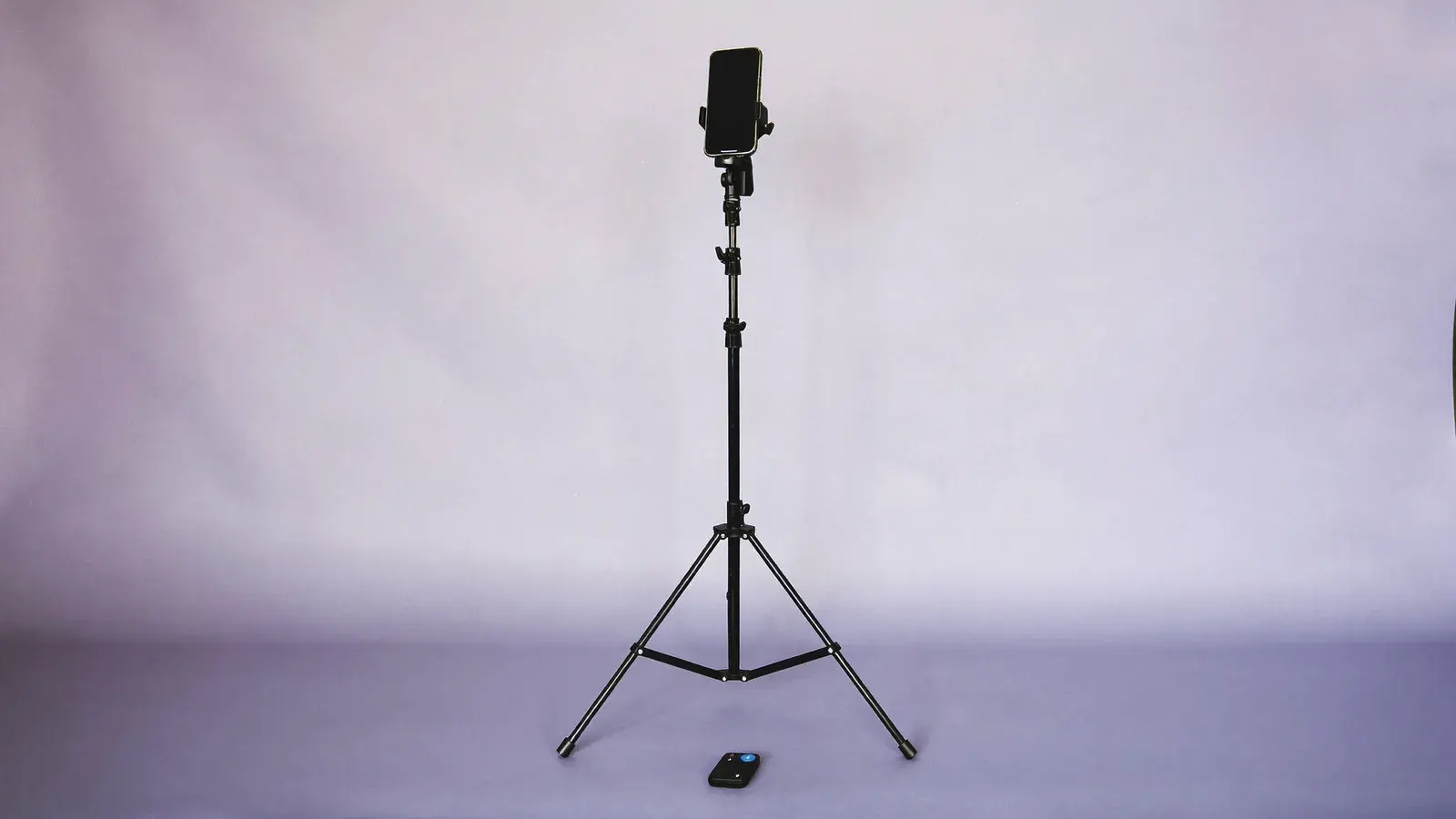
Clothing and sneaker shows need a full-body or full-shoe shot from the front. A tripod gets the phone to eye level and the remote starts recording from across the room.
Typical price$15 to $35
See on AmazonTwo softbox lights with stands
Softboxes spread light over a big area, so a whole outfit or a rack of inventory gets even light with soft shadows. They take more floor space than panels and suit a spare room better than a desk.
Typical price$50 to $90
See on AmazonClip-on wireless phone mic
Viewers leave a show when they can't hear you. A clip-on mic keeps your voice level while you reach for inventory.
Typical price$25 to $50
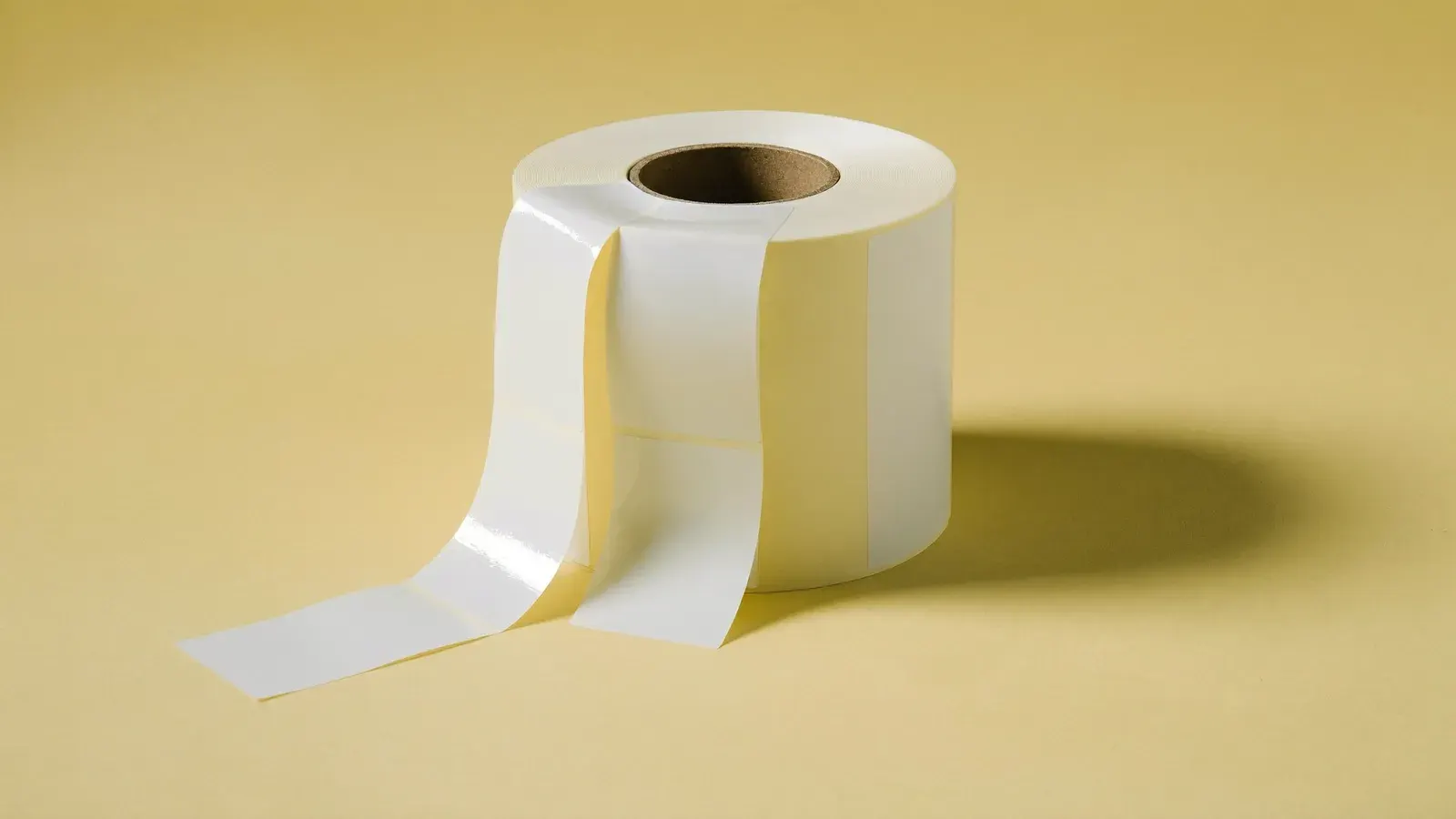
See on AmazonPhomemo thermal label printer
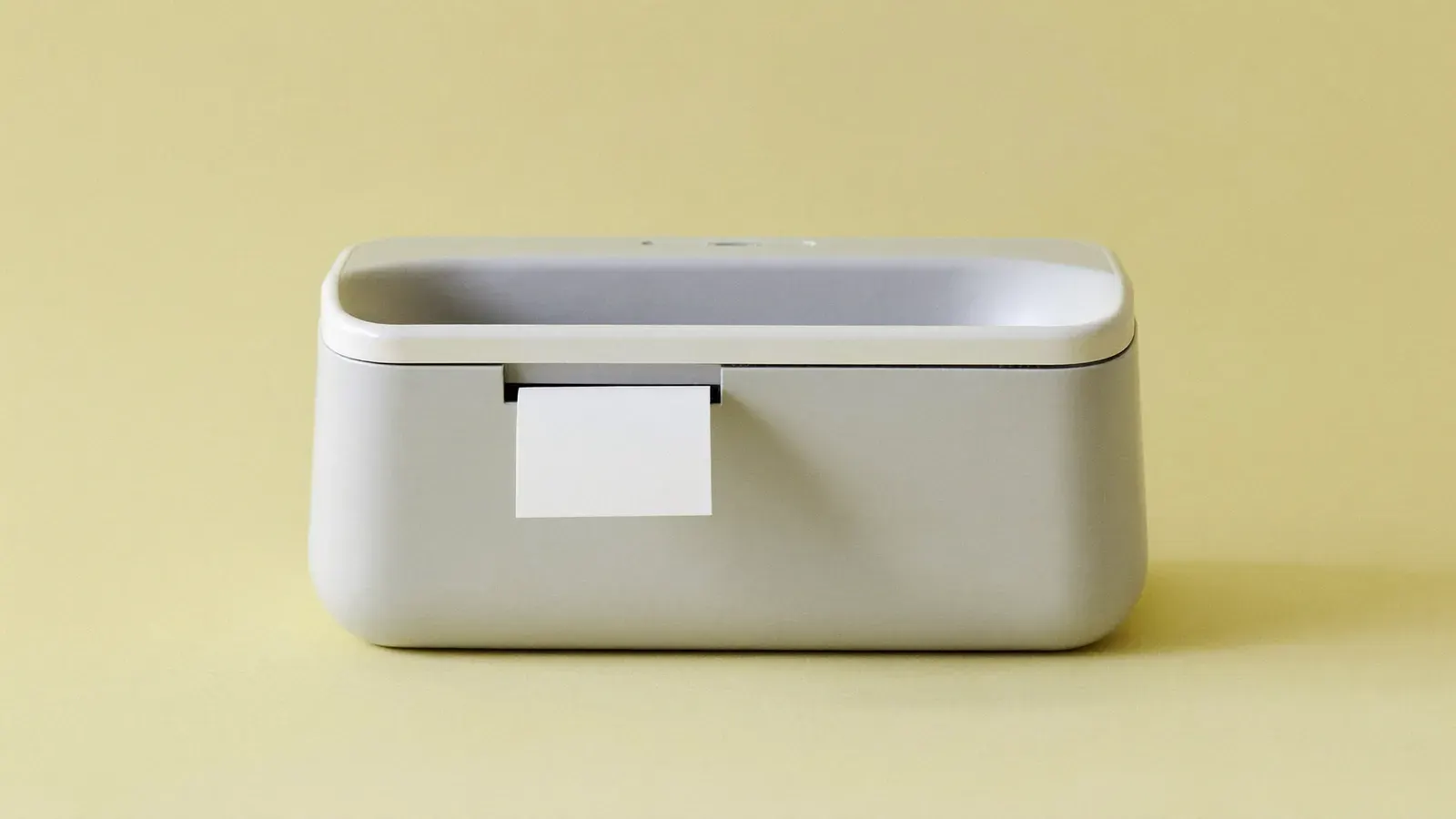
Costs less than most thermal printers and fits on a shelf. It prints the same 4 × 6 in labels, so your label stock carries over if you upgrade later.
Typical price$70 to $110
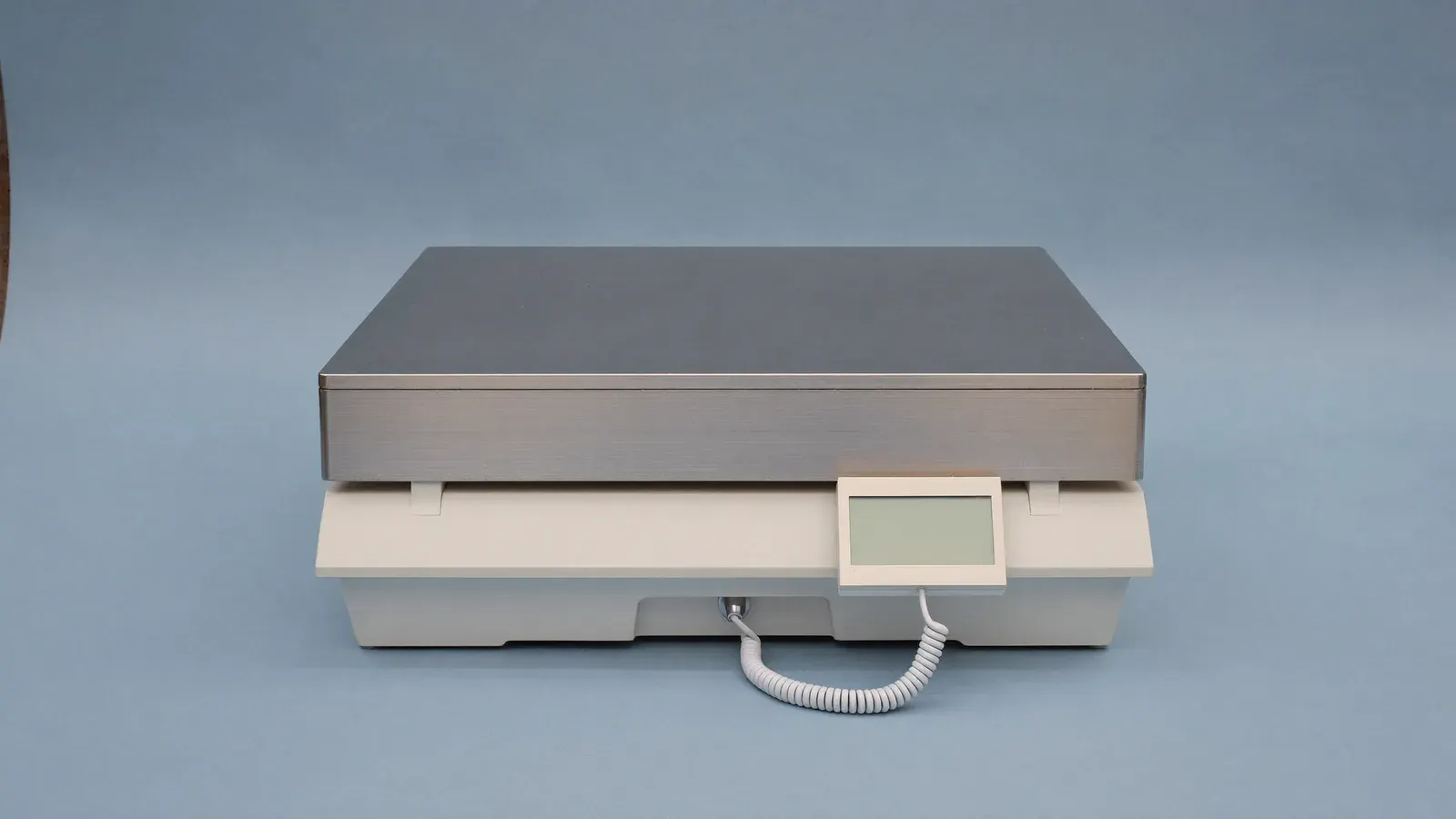
See on Amazon66 lb digital shipping scale
Covers the packages most home sellers ship, up to 66 lb. Choose it when the 110 lb scale is out of stock.
Typical price$20 to $35
See on Amazon

Buy this kit
Copy the full list to take shopping, or print it.
Shipping per order
What most orders like these ship by, at today’s published rates. Rates checked October 7, 2026.
 USPS Ground Advantage, under 1 lbUsual
$6.93 to $8.95
TrackedUp to 1 lbClothing, cards in a mailer and other small items under 1 lb. Tracked, with $100 insurance included.
- USPS Ground Advantage, 1 to 2 lb
$7.61 to $13.42
TrackedUp to 2 lbShoes, jeans and boxed items up to 2 lb, tracked with $100 insurance.
- USPS Ground Advantage, up to 3 lb
$8.64 to $16.30
TrackedUp to 3 lbHeavier clothing bundles and boxed items up to 3 lb, tracked.
About $1,141 to $1,474 a month in shipping at 38 orders a week On most marketplaces the buyer pays shipping; this is the cost when you pay it.
How to lay it out
Where everything goes, so each order moves one way through the room.
- 1
Rail beside the camera line
Stand the double rail to one side of the frame, close enough to reach without walking out of shot. Top bar for tonight’s lots in order, bottom bar for sold pieces with a sticky note naming the buyer.
- 2
Tripod at eye height
Set the phone at your eye line, about six feet back, so a hold-up shows the whole garment from shoulder to hem. A lower angle makes pants look shorter and dresses wider than they are.
- 3
Softboxes either side
Put one softbox at each side, a little above head height and angled down. Diffused light shows the texture of knits and denim and avoids the hot spots a bare bulb leaves on satin.
- 4
Packing shelf by the door
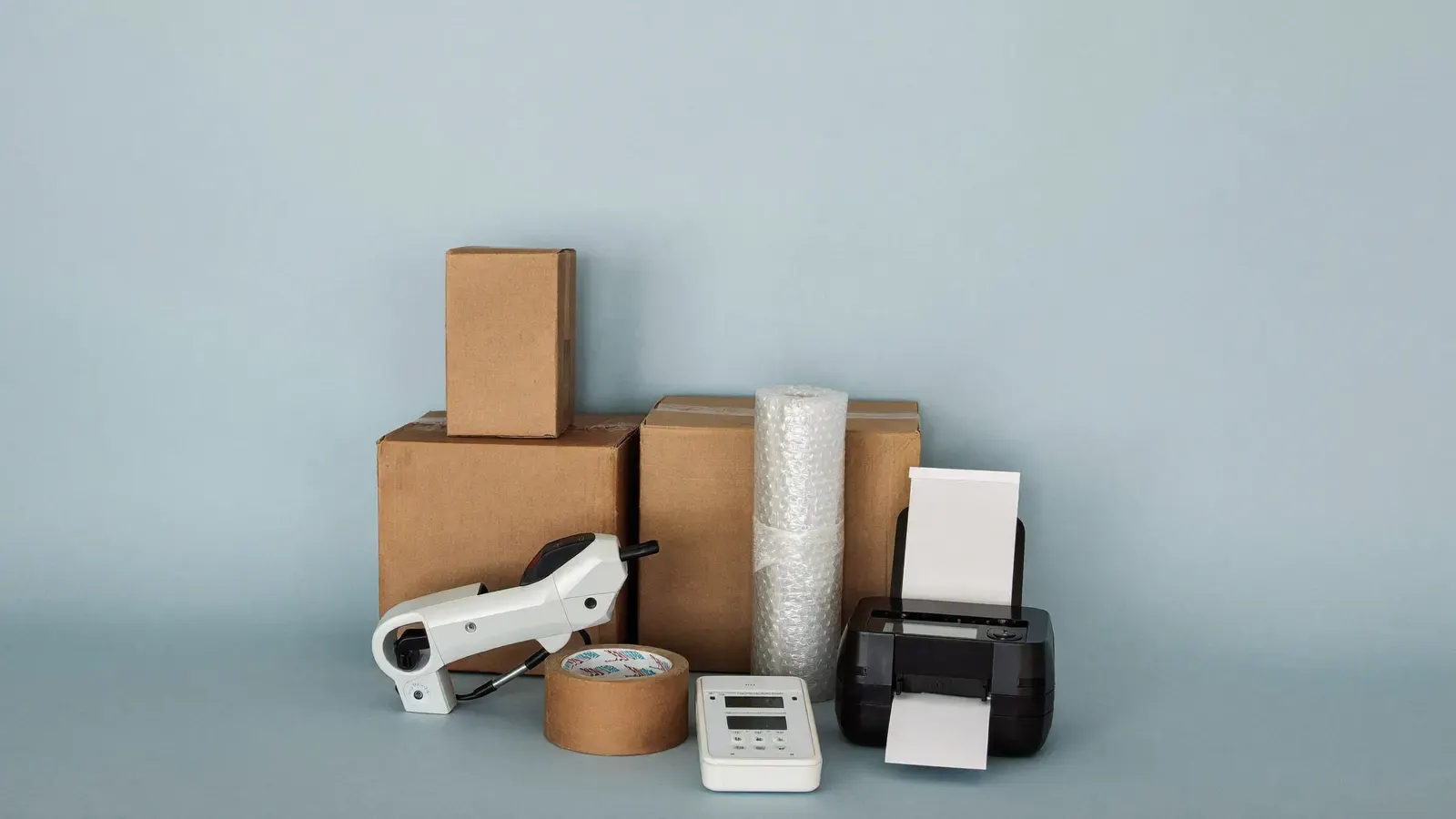
Keep mailers, tissue, labels and the scale on the steel shelving near the door, away from the show area. You pack there the morning after and leave the show corner set for next time.
The guide
Each step in the order you'll need it.
Building the rail before you go live
Steam or lint-roll everything an hour before the show and hang it in selling order. Put a strong piece first to hold early viewers, and save one or two standout items for the last ten minutes.
Pin a card tag on each hanger with the size, measurements and any flaw. You read straight from the tag, so you mention a missing button live, before a buyer messages about it.
Kit for this step
The try-on and hold-up routine
Wear a fitted black tank and leggings for the whole show so you can change pieces in seconds. Turn once to the side and once to the back, then step closer for fabric and label.
For items you won’t wear, hold the hanger at shoulder height and run a hand down the garment to show the drape. Show any mark or repair close to the lens before the bidding starts.
Marking sales without leaving the frame
Keep a pad of sticky notes clipped to the rail. As each lot sells, write the buyer’s username on a note, stick it to the hanger and move it to the bottom bar.
After the show, check the order list from each app against the bottom bar. Find any listed sale without a hanger before you print a label.
Packing clothes the morning after
Print the whole night's labels before you touch a garment, then work along the bottom bar. Fold each piece around a sheet of tissue, slide it into a poly mailer, weigh it and stick the label on the flat side.
Fold knits rather than rolling them tightly, and put heavy coats in their own mailer. A thank-you sticker on the tissue costs a few cents.
Storing stock you haven’t shown yet
Sort unshown stock on the shelving by size or by theme, such as denim, knitwear or going-out pieces. Name each show after its theme so viewers can find it by title.
Write a code on each shelf and the matching code on the tag. Pieces that don’t sell go back to the same shelf for the next show instead of piling up on a chair.
Kit for this step
Past 40 orders a week
At 40 orders a week, packing can take longer than the shows do. With a faster printer and a separate packing bench, you can batch the shipping while you reload the rail for the next show.
Note which themes sold best on which nights, and run those again on the same night each week so regular buyers know when to join.
Kit for this step

Common mistakes
Each one costs you money or reviews, and each has a fix.
- Filming with the phone at waist height makes every garment look shorter, so raise the tripod to your eye line.
- Skipping measurements live leads to returns for fit, so read pit to pit and length off the tag for every piece.
- If you hide a flaw until after the sale, the buyer can open a dispute, so show it close to the lens before you open bidding.
- Leaving sold pieces mixed with unsold ones makes the next morning slow, so move each sale to the bottom bar with the buyer’s name.
- Shipping a wool coat in a paper mailer risks a soggy package on a rainy porch, so keep poly mailers as your default.



When to upgrade
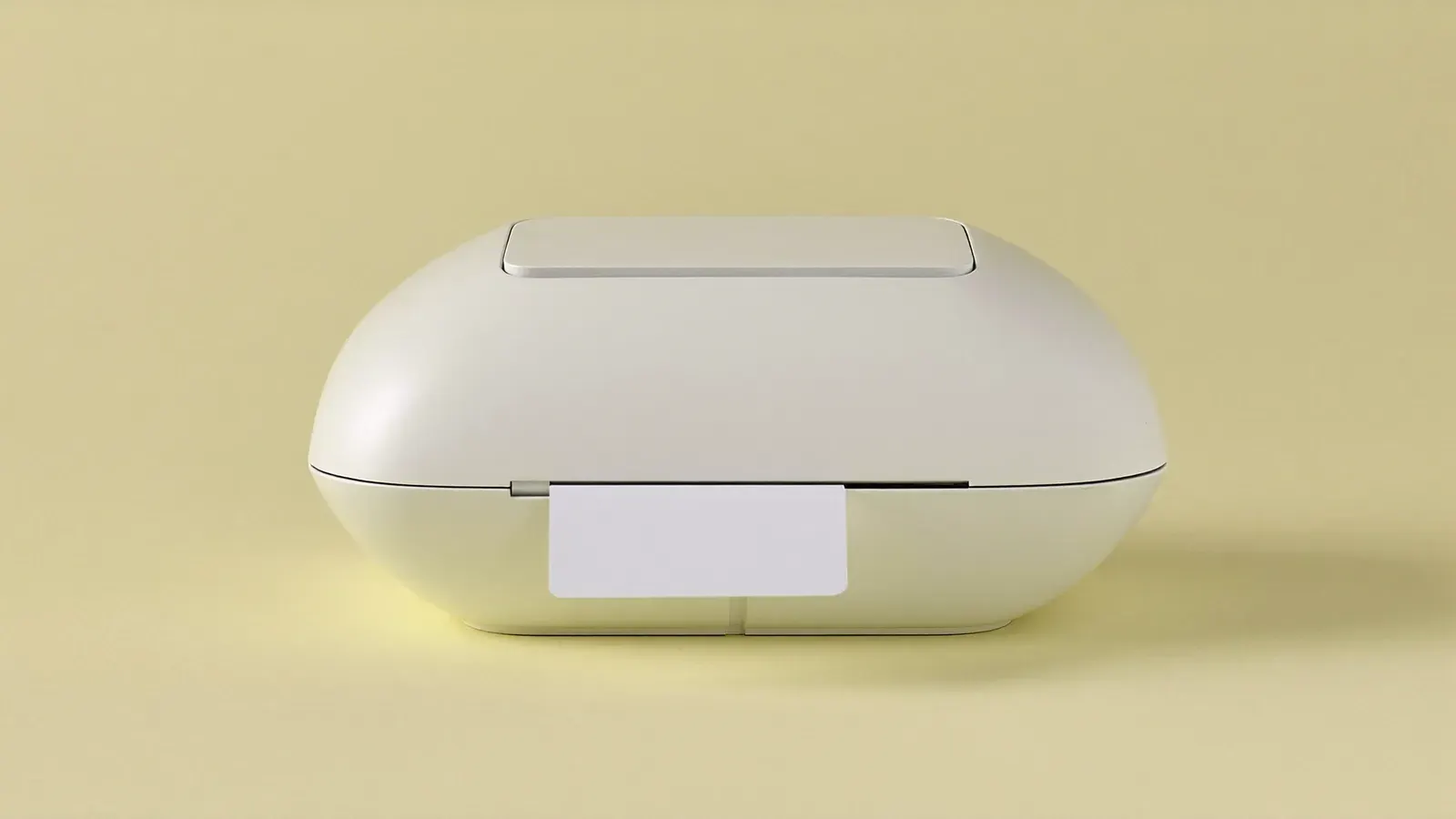
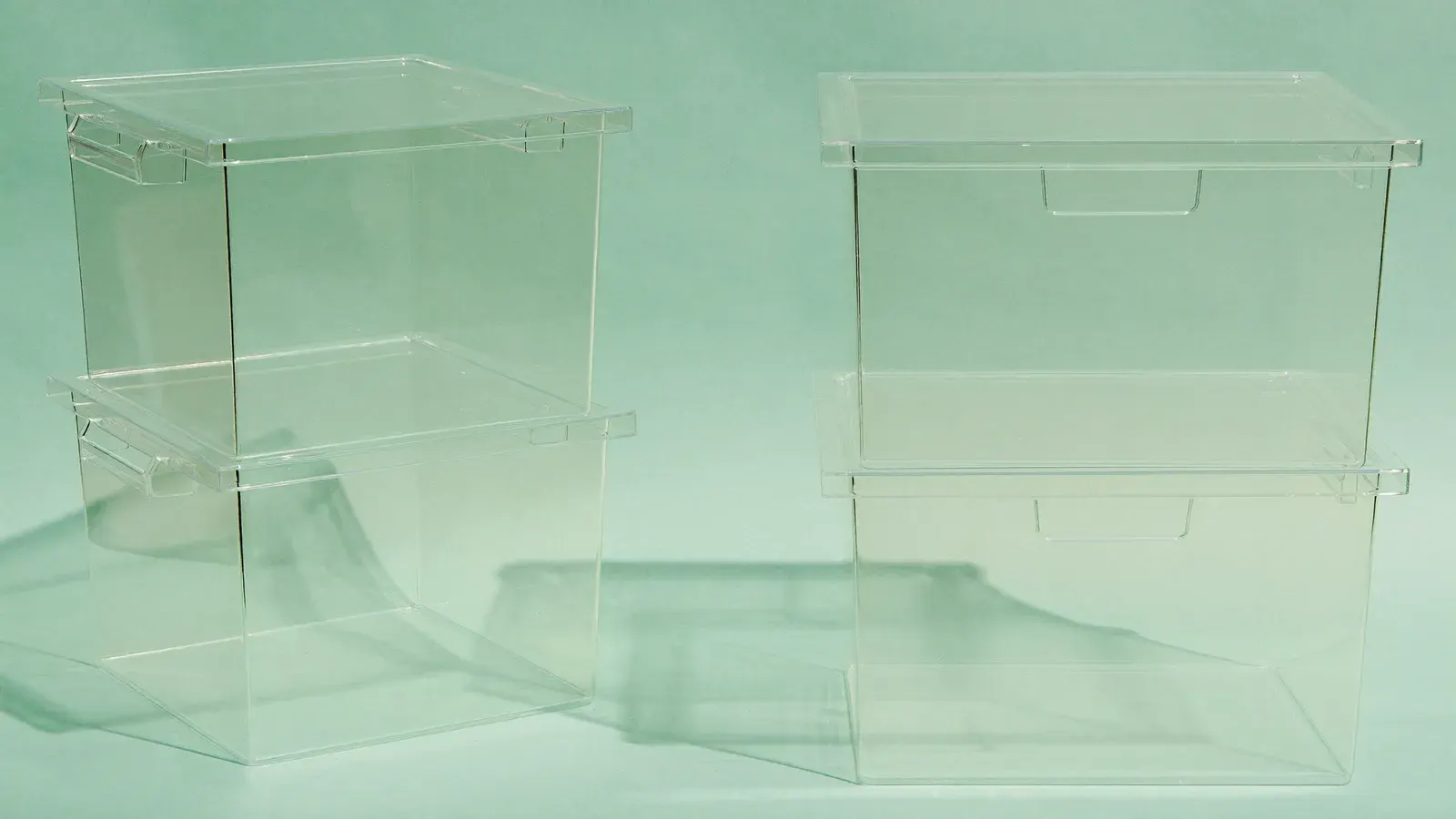
Swap to a thermal label printer when a show night brings 40 sales: the whole stack of labels prints in one go. At 60, add a folding table as a dedicated packing bench. At 80, move unsold stock into clear tubs labeled by size so restocking the rail takes minutes.
- 40+ MUNBYN thermal label printer
- 60+ 6 ft folding table
- 80+ Clear stackable 32 qt bins
Questions
Straight answers to what sellers ask about this.
Do I need softboxes, or will a ring light do for clothes?
A ring light lights your face but leaves a garment uneven once you step back. Two softboxes light the full length of a dress, and buyers judge the whole garment.
Should I try clothes on during a Whatnot show?
Try on the pieces where fit sells them, such as jeans, dresses and tailored jackets, over a plain tank and leggings. Hold up the rest against you and read out the measurements, so the show keeps moving.
How many items should I put on the rail for one show?
Pick a number you can present in the time slot and add a few spares. Count how many pieces you sell in your first shows, then raise or cut the rail to match.
What measurements should I give for each piece live?
Pit to pit and length for tops, waist and inseam for pants, and the tag size. Write them on a tag pinned to the hanger so you read them out the same way each time.
Poly mailers or paper mailers for shipping clothes?
Poly mailers keep out rain and suit most orders. Keep a pack of paper mailers for premium or vintage pieces, where buyers pay for the unboxing too.
Can I sell the same rail on Whatnot and TikTok Shop?
Yes. Mark each piece the moment it sells on either app. A clothespin on the hanger with the platform and buyer name stops you selling one coat twice.
Do I need a mic if I’m standing in front of the phone?
Six feet back, the phone’s own mic picks up the room as much as your voice. A clip-on mic keeps fabric, size and price clear to viewers who join halfway through.
Guides
Step-by-step help for the jobs that come next.

More setups
Updated October 6, 2026