
Skip to contentSeller Setups

Hundreds of one-off garments with no duplicates, kept in order with racks, photos and a numbering system.

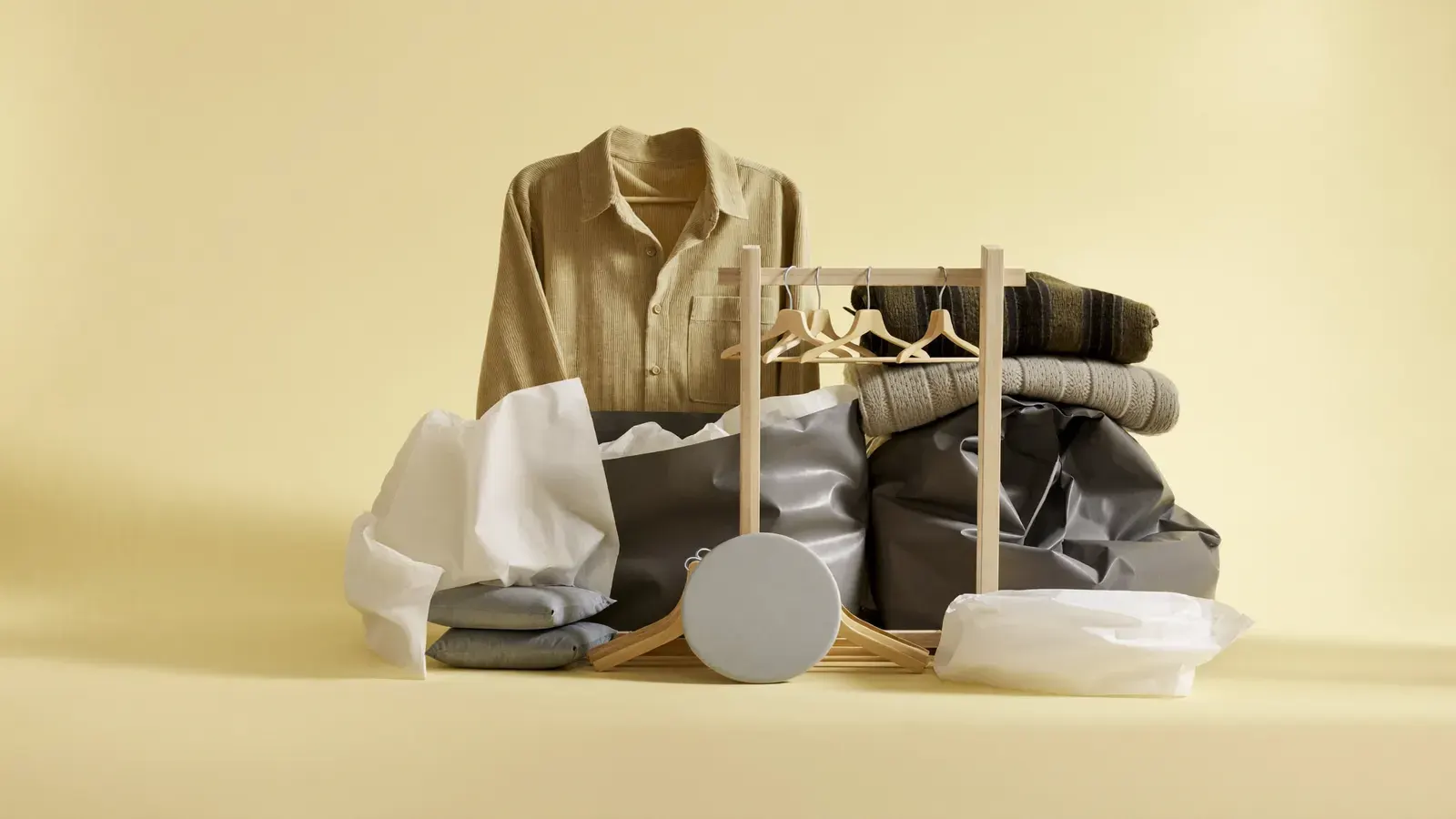
The kit for Vintage clothing, laid out on a plain background

What you need to sell vintage clothing

The kit our builder picks for a typical Vintage clothing seller. Change the answers to fit yours.

5-tier steel shelving, 72 in

Storage

5-tier steel shelving, 72 in

Holds tubs or boxes floor to ceiling in a small footprint.

See on Amazon
60-inch phone tripod with remote

Phone mount

60-inch phone tripod with remote

A tall stand for showing clothing or sneakers head on.

See on Amazon
Two softbox lights with stands

Lighting

Two softbox lights with stands

Large, soft light for clothing and full-body shots.

See on Amazon
6 ft folding table

Packing table

6 ft folding table

A dedicated packing surface you can fold away.

See on Amazon

The guide

Each step in the order you'll need it.

01

The gear for a vintage rack

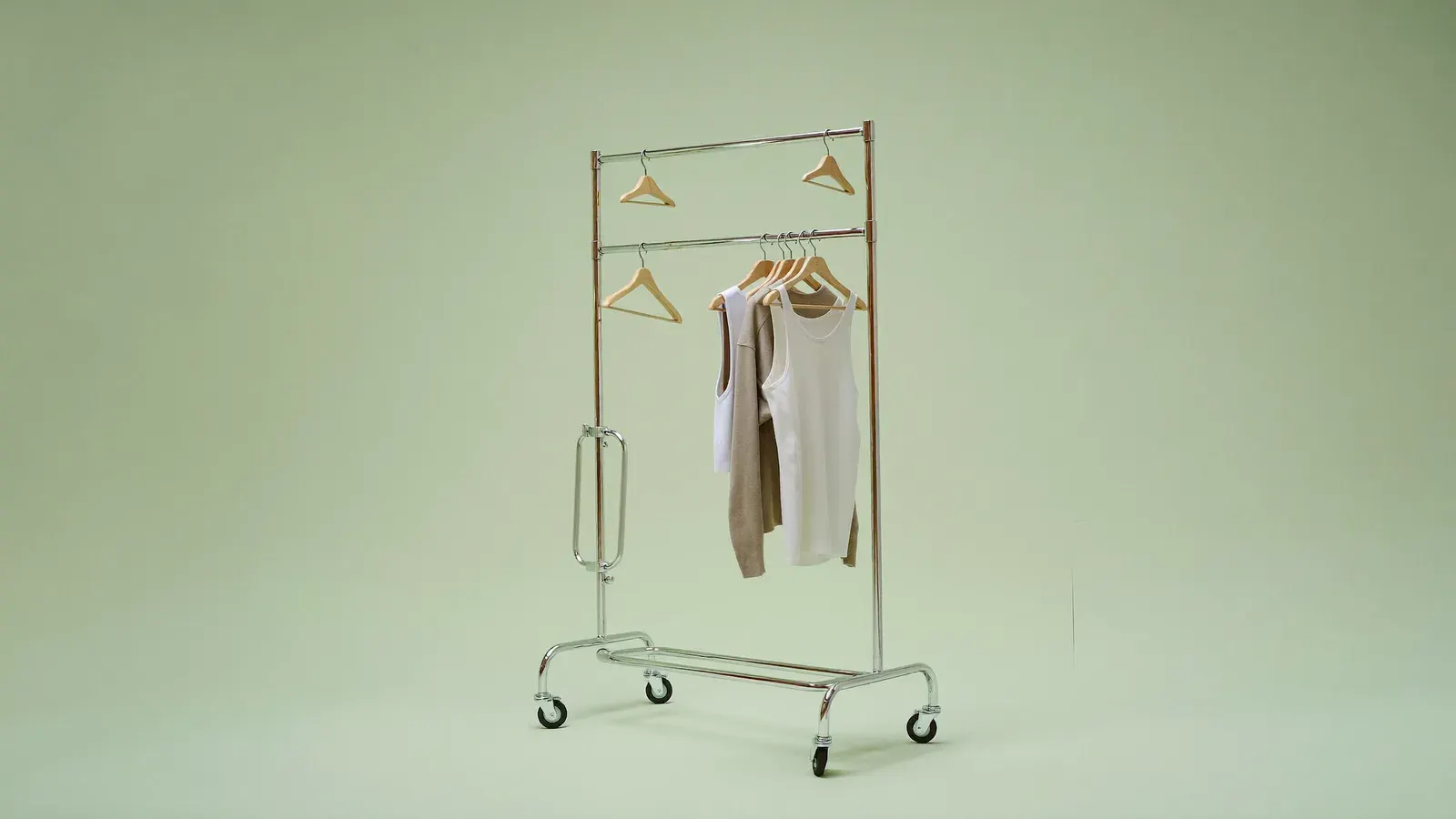
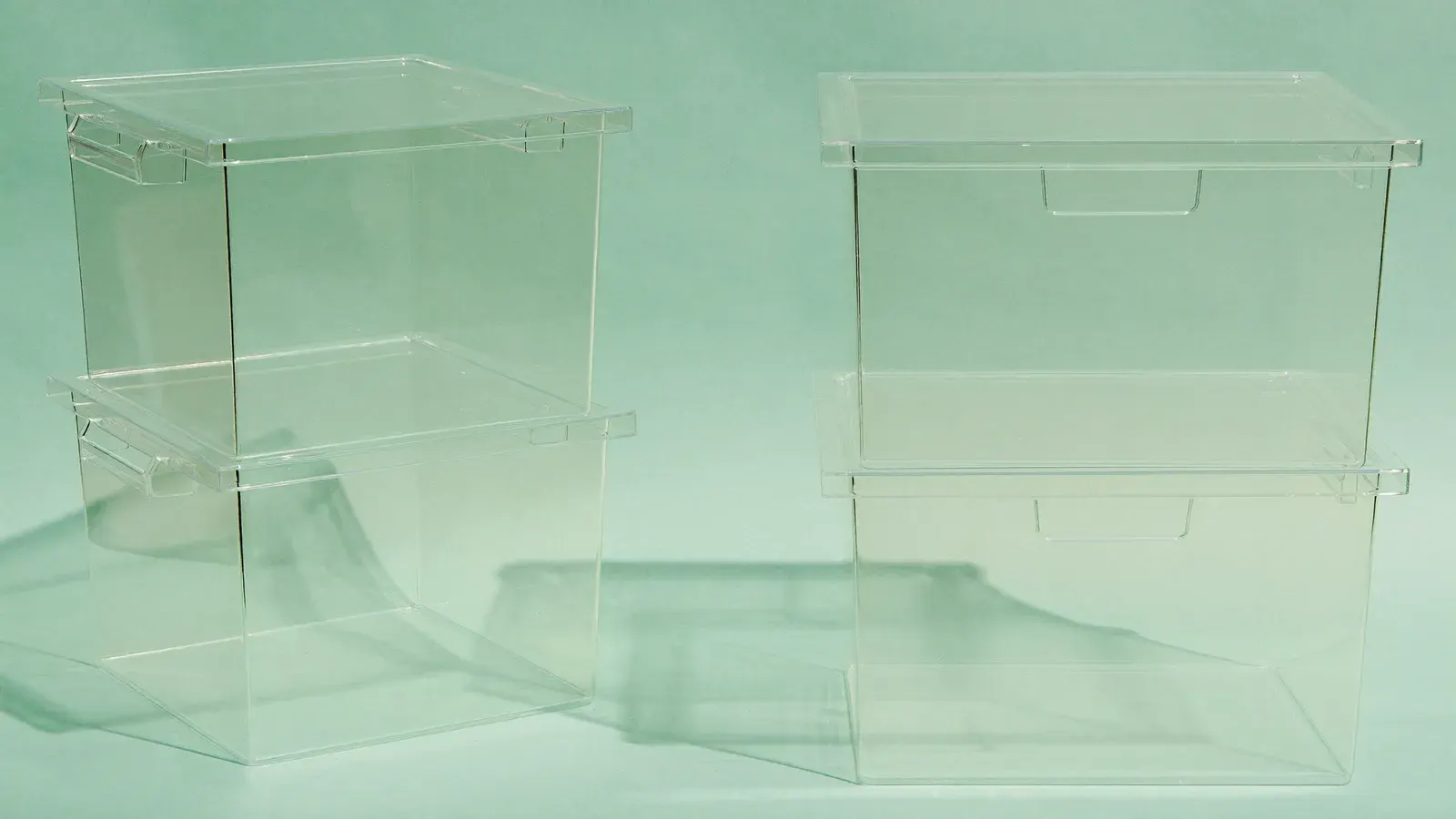
A sturdy clothing rack, slim hangers and a few labeled totes carry most vintage stock. Add a shipping scale, poly mailers in two sizes and a roll of tissue. Keep a tape measure on the rack, because every listing needs measurements.

For photos, a plain wall, a mannequin or a hanger hook and a soft light source do more than a fancy camera. You will use a handheld steamer from the first week.
02

Packing garments so they arrive fresh

Fold the piece around a sheet of tissue, close it with a sticker and slide it into a poly mailer sized to the fold. Press the air out before you seal it. A lighter package often drops into a cheaper weight tier.

Wrap anything with beading, sequins or fragile lace in an extra layer of tissue. Leather and heavy coats need a sturdier mailer or a box, so weigh them before you set shipping.

03

Storing stock you can find

Hang listed stock on the rack in the order you listed it, with a small numbered tag on each hanger. Put the same number in the listing notes. When an order comes in, you walk straight to the number on the hanger.

Fold sweaters and denim into totes labeled by number range. Keep unlisted stock in a separate pile away from sold items waiting to ship.

04

Photos and listings that sell vintage

Shoot the full front, the back, the label and any flaw, all in the same light. Vintage buyers trust a seller who shows the small hole up front. Lay the garment flat for measurements and give pit to pit, length and waist in inches in the description.

Vintage sizes run differently from modern sizes, so lead with measurements and put the tag size second. On Poshmark, Depop and eBay, put the era, brand and fabric in the title, the words buyers search for.

05

Selling vintage live

Whatnot, TikTok Shop and Poshmark Shows all run clothing streams. Hang the pieces you'll show in running order on a separate rack, with sizes and measurements on a card you can read on camera. Hold each piece up, turn it around and show the label.

Bag each sold piece right away with the buyer's name on a slip. Live viewers ask about fit all the time, so have a tape measure in shot.

06

Shipping and growing past 50 orders

Poshmark emails a prepaid label paid by the buyer, and Depop and Mercari offer their own labels, so most single garments ship in a poly mailer with no rate shopping. On eBay or Etsy, a light shirt goes cheapest as USPS Ground Advantage, and heavy coats and bundles may cost less in a Priority Mail Flat Rate box, so weigh before you list.

Past 50 orders a week, batch the work: one session to steam and photograph, one to list, one to pack. Pre-fold tissue and keep mailers by size in a wall organizer near the rack.

Common mistakes

Each one costs you money or reviews, and each has a fix.

  • Listing a vintage size without measurements leads to returns, so add pit to pit, length and waist to every listing.
  • Hiding a small stain until the buyer finds it costs you a refund and a review, so photograph every flaw.
  • Shipping a light shirt in a box instead of a mailer can push it into a pricier weight tier, so keep mailers in two sizes and use the smaller one.
  • Hanging heavy sweaters stretches the shoulders, so fold knits into labeled totes instead.
  • Shooting some items in daylight and others under a warm bulb makes colors look inconsistent, so use the same light for every photo.

Setups

Complete kits for one kind of seller, costed and laid out.

Shipping per order

What most orders like these ship by, at today’s published rates. Rates checked October 7, 2026.

  • USPSUSPS Ground Advantage, under 1 lbUsual

    $6.93 to $8.95

    TrackedUp to 1 lb

    Clothing, cards in a mailer and other small items under 1 lb. Tracked, with $100 insurance included.

  • USPSUSPS Ground Advantage, 1 to 2 lb

    $7.61 to $13.42

    TrackedUp to 2 lb

    Shoes, jeans and boxed items up to 2 lb, tracked with $100 insurance.

  • USPSUSPS Ground Advantage, up to 3 lb

    $8.64 to $16.30

    TrackedUp to 3 lb

    Heavier clothing bundles and boxed items up to 3 lb, tracked.

How to pack it

Heavy outer packaging. A few extra ounces can push a light garment over the 1 lb rate break.

  1. 1Fold the garment around a sheet of tissue and close it with a sticker.
  2. 2Slide it into a poly mailer and press the air out before sealing.
  3. 3Weigh it and buy the Ground Advantage label for that weight.
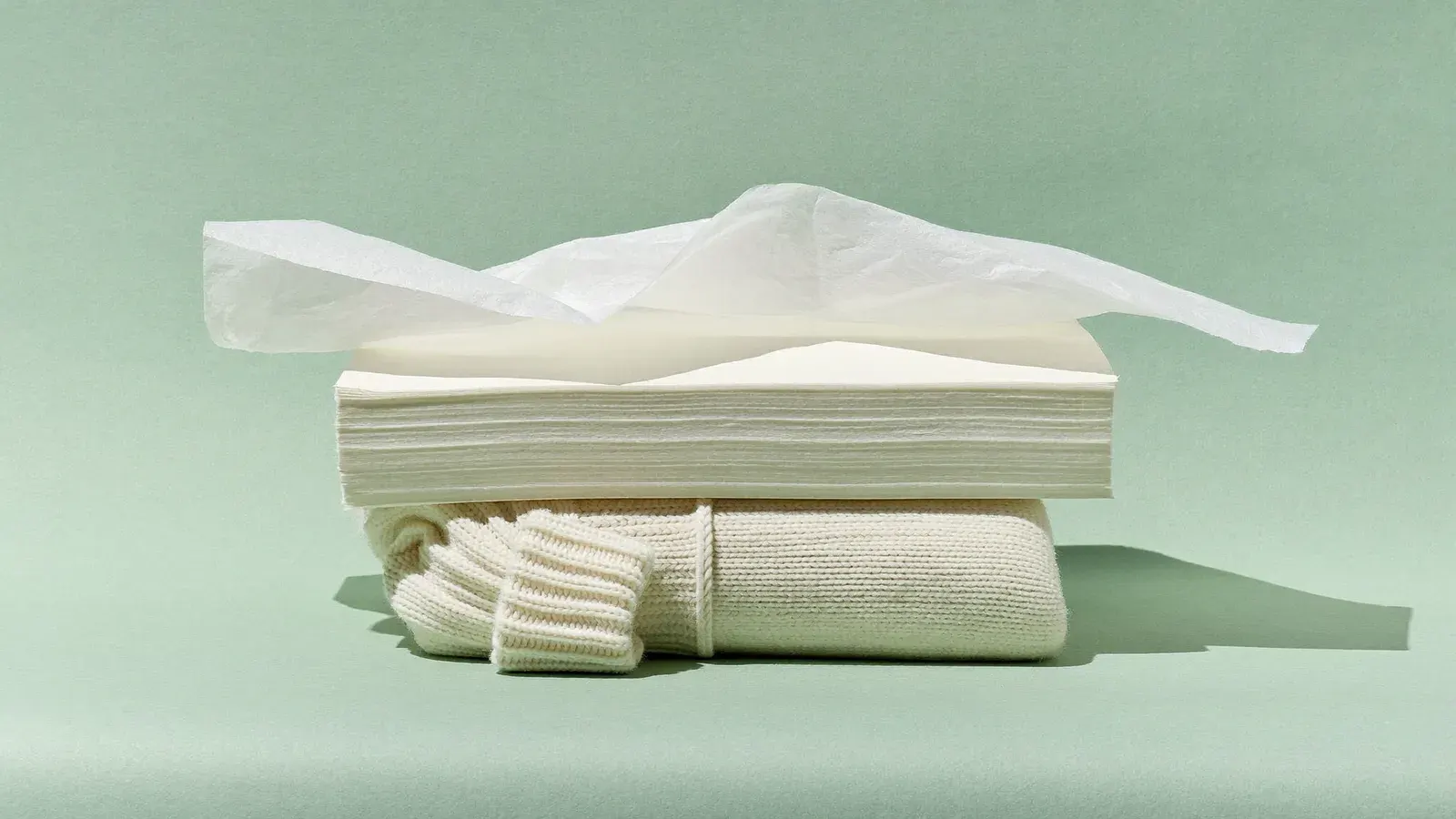
Acid-free tissue paper, 100 sheets

Wraps a garment so the buyer opens a neat, cared-for package.

Thank-you stickers, roll of 500

A small finishing touch for a couple of cents an order.

Guides

Step-by-step help for the jobs that come next.

1 of 2

Selling vintage clothing

You hold hundreds of single items, each a different size and condition. The setup has to make every garment easy to photograph, find and ship.

Hanging stock on numbered racks beats folding it into totes: it stays wrinkle-free and you can see it. Put the rack number in the listing so you know where to look when it sells.

Questions

Straight answers to what sellers ask about this.

How many garments fit on one clothing rack?

A heavy-duty double rack takes about 80 to 120 garments on slim hangers, depending on the weight of the stock. Coats and sweaters take twice the space of shirts.

Should I fold or hang stock?

Hang anything that wrinkles or that you'll photograph on a hanger. Fold sweaters and denim into labeled totes, because hanging stretches knits and wastes rack space.

Do I need to wash vintage clothing before I sell it?

Buyers expect clean stock. Wash or steam each piece according to its fabric and care label, and air it out to remove storage smells.

How do I stop garments wrinkling in shipping?

Fold along natural seams around a sheet of tissue and avoid tight rolls. A quick steam before folding helps the piece arrive smooth.

Is a mannequin worth it?

For dresses, coats and tailoring, yes. A mannequin shows shape better than a flat lay and gives your shop a consistent look.

Should I sell vintage on Poshmark, Depop or eBay?

Use more than one. Poshmark and Depop suit everyday vintage and quick sales; Etsy takes items 20 years or older; eBay suits rarer designer pieces where buyers search for exact labels.