Skip to contentSeller Setups

Wholesale lots, liquidation stock and returns pallets bought in bulk, then split into single sales. Your margin is set by the price you pay for the lot.

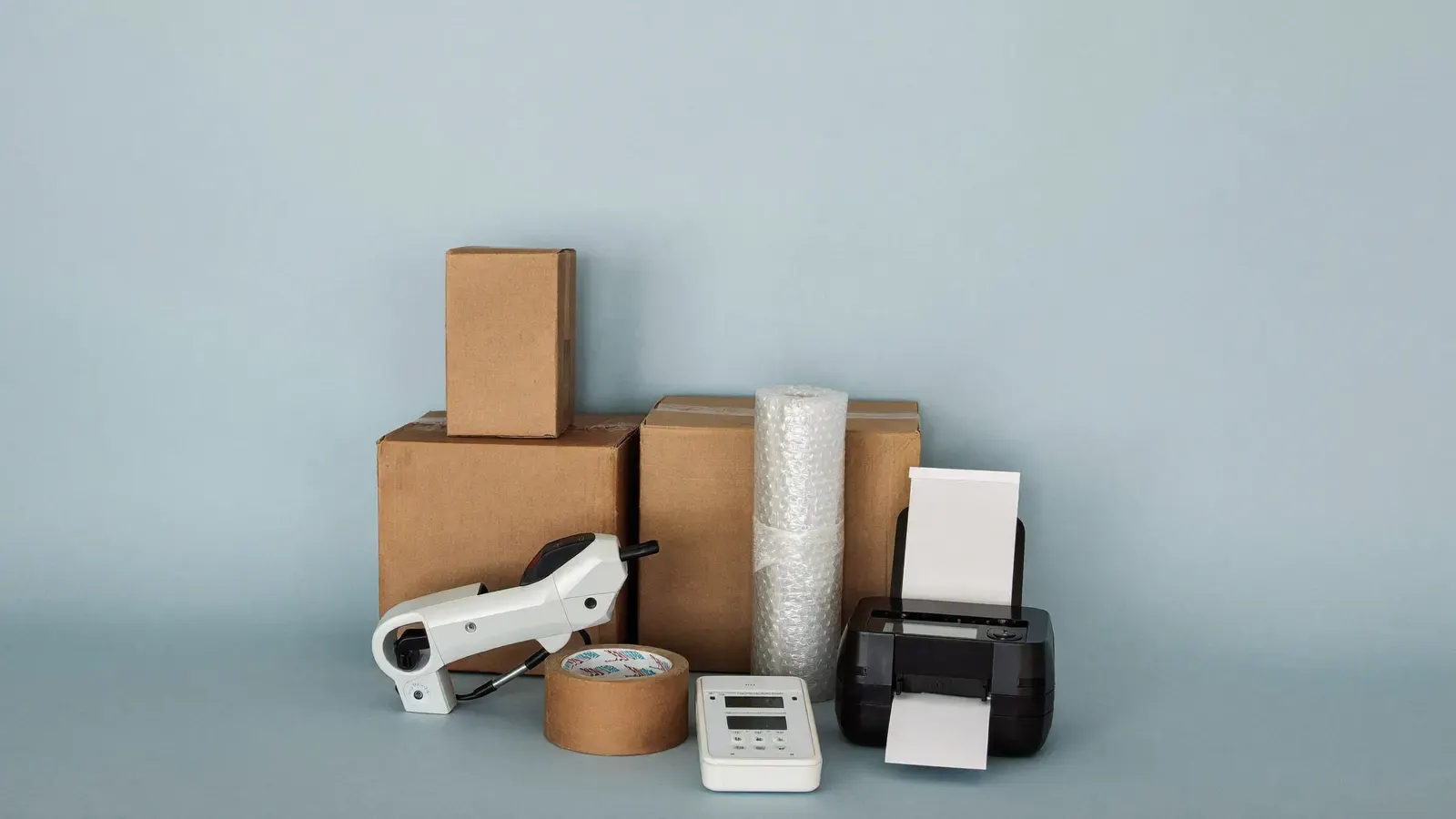
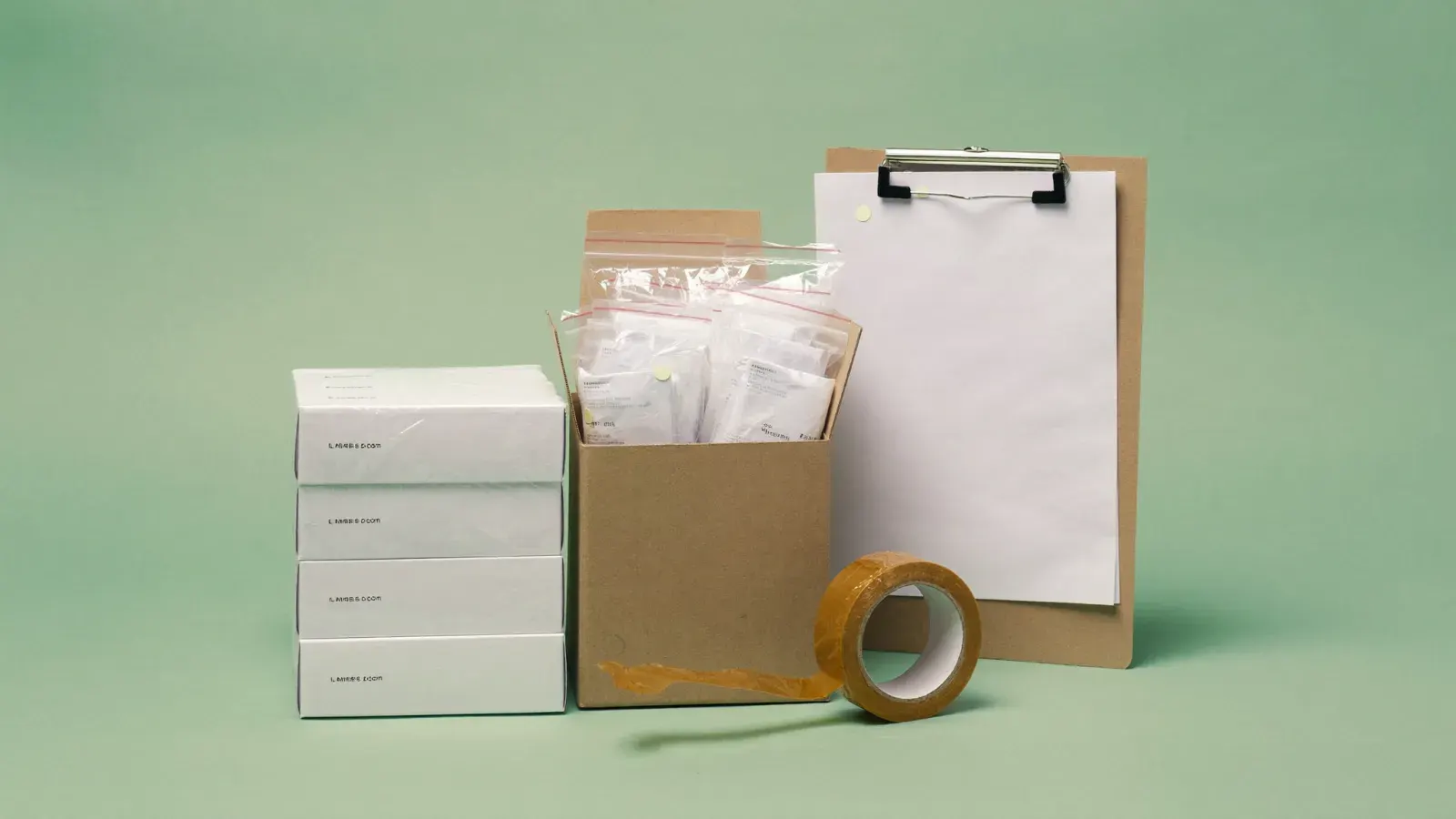
The kit for Wholesale, liquidation and pallets, laid out on a plain background

What you need to sell wholesale, liquidation and pallets

The kit our builder picks for a typical Wholesale, liquidation and pallets seller. Change the answers to fit yours.

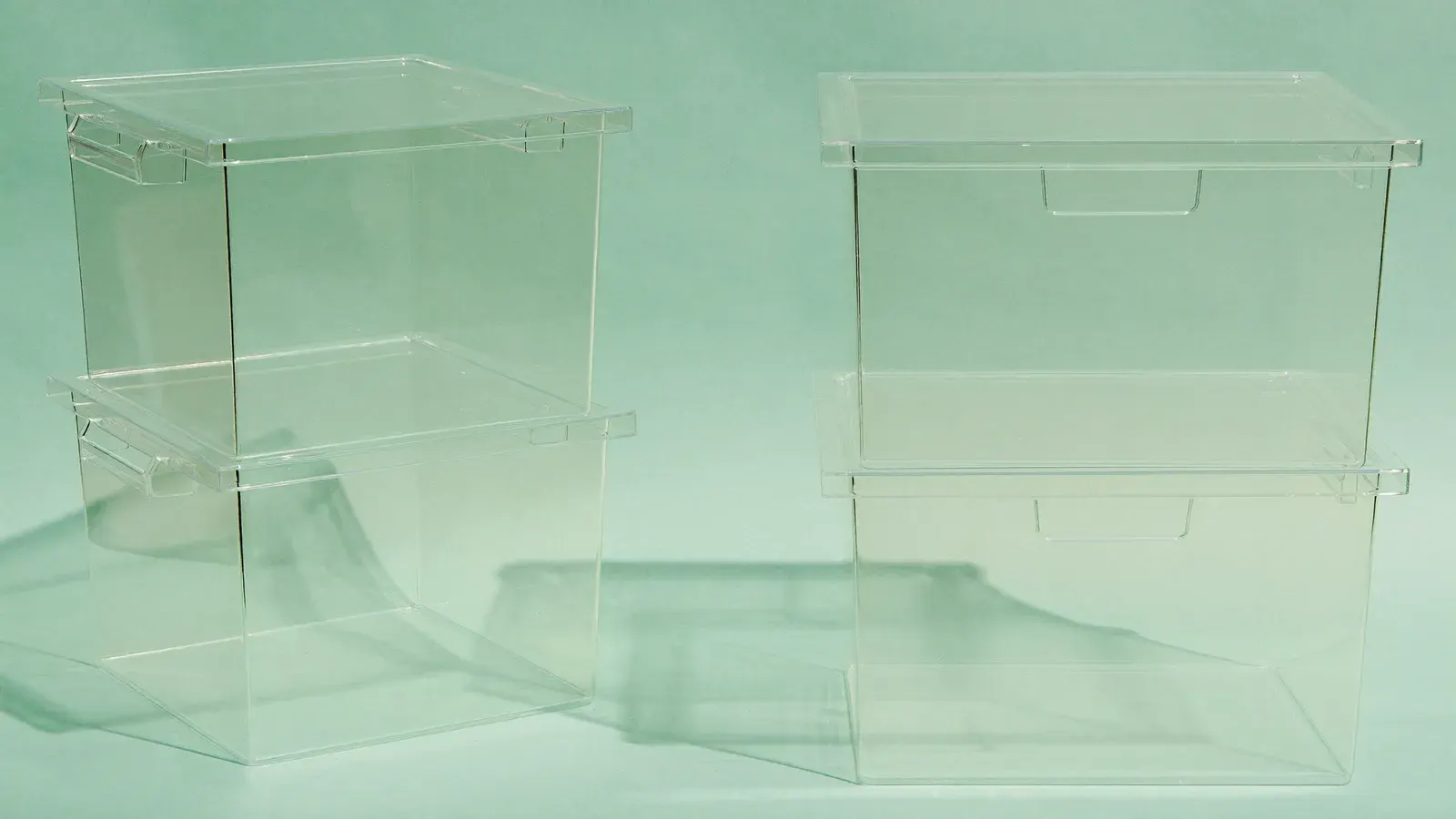
Clear stackable 32 qt bins, 4 pack

Storage

Clear stackable 32 qt bins, 4 pack

See what’s inside without opening every lid.

See on Amazon
Gooseneck phone holder

Phone mount

Gooseneck phone holder

A flexible arm that clamps to the edge of your desk.

See on Amazon
Pocket LED video light

Lighting

Pocket LED video light

A small rechargeable light that fills shadows on close-ups.

See on Amazon
Clip-on wireless phone mic

Microphone

Clip-on wireless phone mic

Keeps your voice clear when you turn away from the phone.

See on Amazon

The guide

Each step in the order you'll need it.

01

Pricing a lot before you buy it

Work backward from sold prices. Search eBay's sold listings for five sample items from the manifest, take a cautious average, and multiply out. Then subtract platform fees, shipping, freight and a share for faulty or missing units.

If the math only works when every item sells at full price, walk away. A good lot still makes money when a quarter of it goes to the thrift store.

02

Space, sorting and SKUs for bulk stock

A full pallet takes up roughly one parking space of floor once it is unpacked. Clear the garage first, and have shelving and clear totes ready so nothing sits in a heap.

Sort into three piles as you open it: ready to list, needs testing or cleaning, and unsellable. Give every sellable unit a shelf code written on a label, so a sale on any platform turns into a quick pick.

03

Testing returns and describing them fairly

Open every returned item and check it against the original contents list. Missing chargers, remotes and manuals change the price, so note them.

Grade each item in plain words: new and sealed, open box but unused, used and working, or for parts. A fault you describe fairly rarely costs you feedback. A hidden one does.

04

Running a wholesale show on Whatnot

Mystery boxes and pallet openings work well live because viewers want to see what comes out. Show each item on camera, read out its condition and keep a printed run sheet so lots go in order.

Bundle small low-value items into lots of three or five. A single $2 item barely covers its packing time, and a bundle sells for more than its parts.

05

Packing mixed stock without overspending

Wholesale stock arrives in mixed shapes, so keep three sizes of box and a roll of poly mailers rather than a dozen sizes. Reuse clean outer cartons from the pallet for heavy items.

Weigh every package and compare USPS Ground Advantage with UPS Ground on Pirate Ship or your platform's labels. An ounce over a weight tier, repeated across a hundred orders, costs you money.

06

Records, taxes and selling as a business

Log each lot with its cost, supplier, date and what you sold from it. From that one sheet you can work out your margin and fill in Schedule C at tax time.

Buying stock to resell at a profit is a business in the eyes of the IRS, so profit is taxable whether or not you get a 1099-K. Writing as is doesn't override eBay's or Mercari's buyer protection: your item must match its description. Read the IRS guidance for online sellers before you scale up.

Common mistakes

Each one costs you money or reviews, and each has a fix.

  • Buying a pallet from photos alone, with no manifest, leaves you guessing at value, so ask for the item list first.
  • Listing a returned item as new when the seal is broken earns returns and poor feedback, so grade it as open box.
  • Letting unsorted stock pile up in the hallway slows every order, so sort and code a pallet within a week of delivery.
  • Ignoring the cost of unsellable units makes every lot look profitable, so track what went in the trash too.
  • Describing untested electronics as working invites a refund claim and a safety risk, so say exactly what you checked.

Setups

Complete kits for one kind of seller, costed and laid out.

Shipping per order

What most orders like these ship by, at today’s published rates. Rates checked October 7, 2026.

  • USPSUSPS Ground Advantage, under 1 lbUsual

    $6.93 to $8.95

    TrackedUp to 1 lb

    Clothing, cards in a mailer and other small items under 1 lb. Tracked, with $100 insurance included.

  • USPSUSPS Ground Advantage, 1 to 2 lb

    $7.61 to $13.42

    TrackedUp to 2 lb

    Shoes, jeans and boxed items up to 2 lb, tracked with $100 insurance.

  • UPSUPS Ground, up to 5 lb

    $12.00 to $25.00

    TrackedUp to 5 lb

    Tracked UPS Ground for boxed items up to 5 lb, for when it costs less than USPS.

How to pack it

Oversized boxes for small items. UPS and FedEx charge by box size as well as weight.

  1. 1Pick the unit by its shelf code and check it against the listing.
  2. 2Put soft items in a poly mailer, and boxed or fragile stock in a box with paper fill.
  3. 3Weigh it and buy the cheapest label it fits.
Honeycomb paper wrap roll

A plastic-free wrap that cushions as well as light bubble wrap.

Small corrugated boxes, 25 pack

Light boxes for boxed toys and beauty sets.

Guides

Step-by-step help for the jobs that come next.

Selling wholesale, liquidation and pallets

Buying in bulk turns one purchase into dozens of listings. A box of 40 phone cases or a pallet of customer returns can cover its cost with the first third of the stock, and the rest is margin, provided your price for the lot was realistic before you paid.

In between, you unpack, sort, test and photograph every unit. Plan floor space for a pallet before it arrives, and keep a sheet of what each lot cost so you know which suppliers make you money.

On Whatnot, wholesale shows sell the unboxing itself. On eBay and Mercari, the same stock sells slower as single listings at a better price per item. You can run both.

Questions

Straight answers to what sellers ask about this.

Where do US sellers buy liquidation lots and pallets?

Liquidation companies that sell retailer returns and overstock, online auction sites for business surplus, local bin stores and wholesale lots on eBay itself. Ask each supplier for a manifest, which lists what the pallet holds, and read reviews from other resellers before your first order.

Are returns pallets worth buying?

Some are and some lose money. Returns stock includes faulty, used and incomplete items, so price a pallet on the assumption that a share of it will be unsellable. Start with a small mixed lot before committing to a full pallet, and count freight, which can cost as much as a small lot.

Can I sell untested electronics from a pallet?

Test what you can and say plainly in the listing what you tested. Anything you can't test, sell as untested or for parts or repair, and never describe it as working. Faulty plug-in items can be dangerous, so leave out anything with damaged cords or plugs, and check cpsc.gov for recalls.

Do I need a resale certificate?

A resale certificate, issued under your state seller's permit, lets you buy stock for resale without paying sales tax, and many wholesale suppliers ask for one. On marketplaces like eBay and Mercari the platform collects sales tax from buyers. Your state revenue department explains how to register.

Will platforms report my sales to the IRS?

Platforms send a Form 1099-K when your sales pass the federal reporting threshold, and some states set lower thresholds of their own. Income is taxable either way, so keep records of what each lot cost and work out your profit, not only your sales.

How do I spot counterfeit stock in a lot?

Prices far below normal wholesale, missing barcodes, poor print on packaging and spelling errors are warning signs. Selling counterfeits is illegal and gets accounts closed, so toss anything you doubt rather than listing it.