



The camera, light, sound and card protection you need to sell Pokémon cards live, and the order to buy it in.
Updated October 10, 2026
Before you start
The camera, light, sound and card protection you need to sell Pokémon cards live, and the order to buy it in.
You sell Pokémon cards live by streaming close-ups, calling lots clearly, and packing them rigidly the next day. Your phone handles the camera, so spend on holding it steady, lighting the table and protecting each card from the moment it sells.
Use it if you have a few hundred Pokémon singles and some sealed packs and want to run a first show on Whatnot or TikTok Shop. It covers the camera angle, the sound, the sleeving routine and the post-show packing that brings buyers back.
Kit for this
The products this guide uses, with typical US prices.
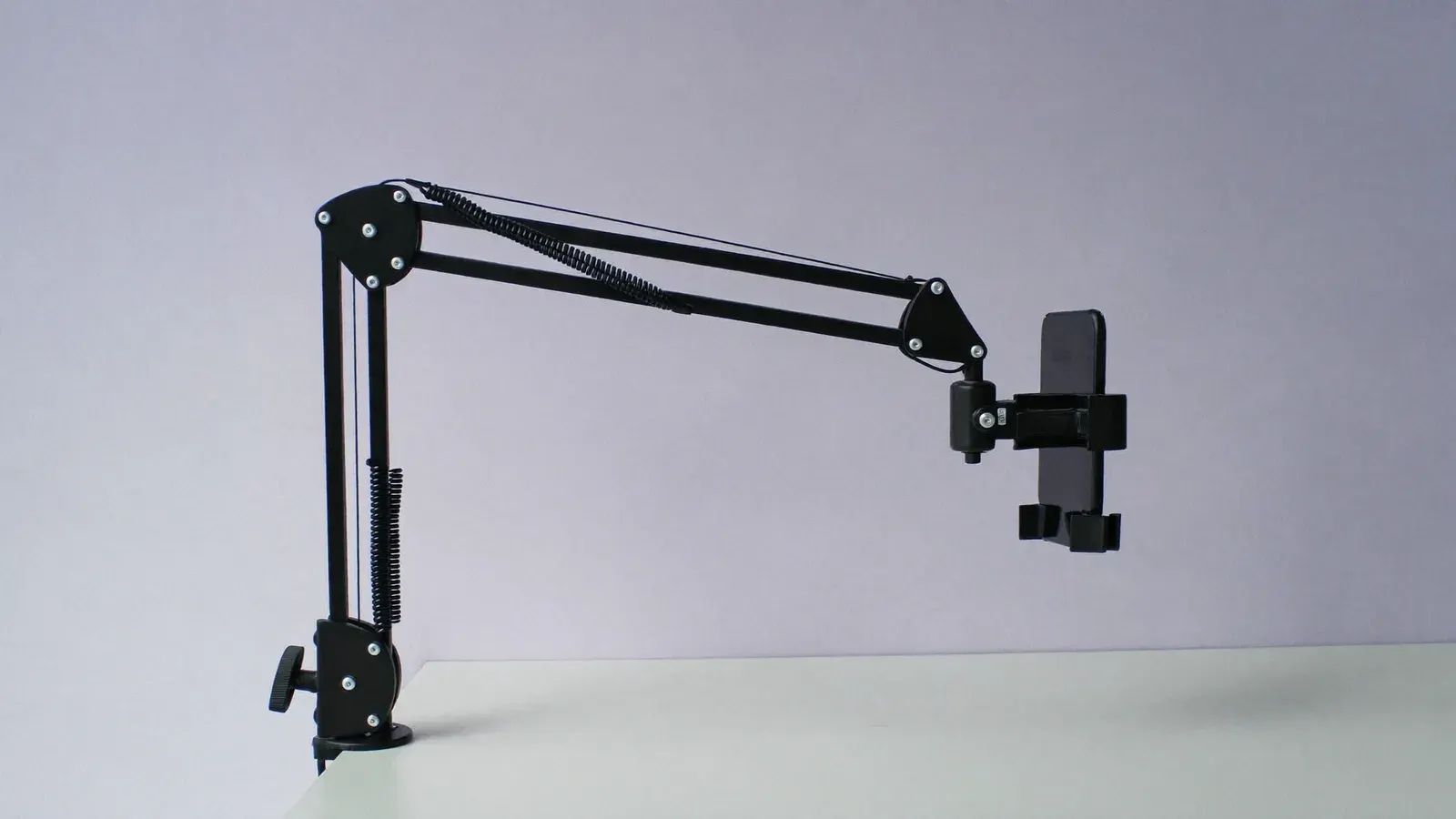
Overhead phone arm
Card and small-item shows sell on the shot of your hands. An overhead arm holds the phone steady and out of your way while you open packs.
Typical price$20 to $40
See on Amazon
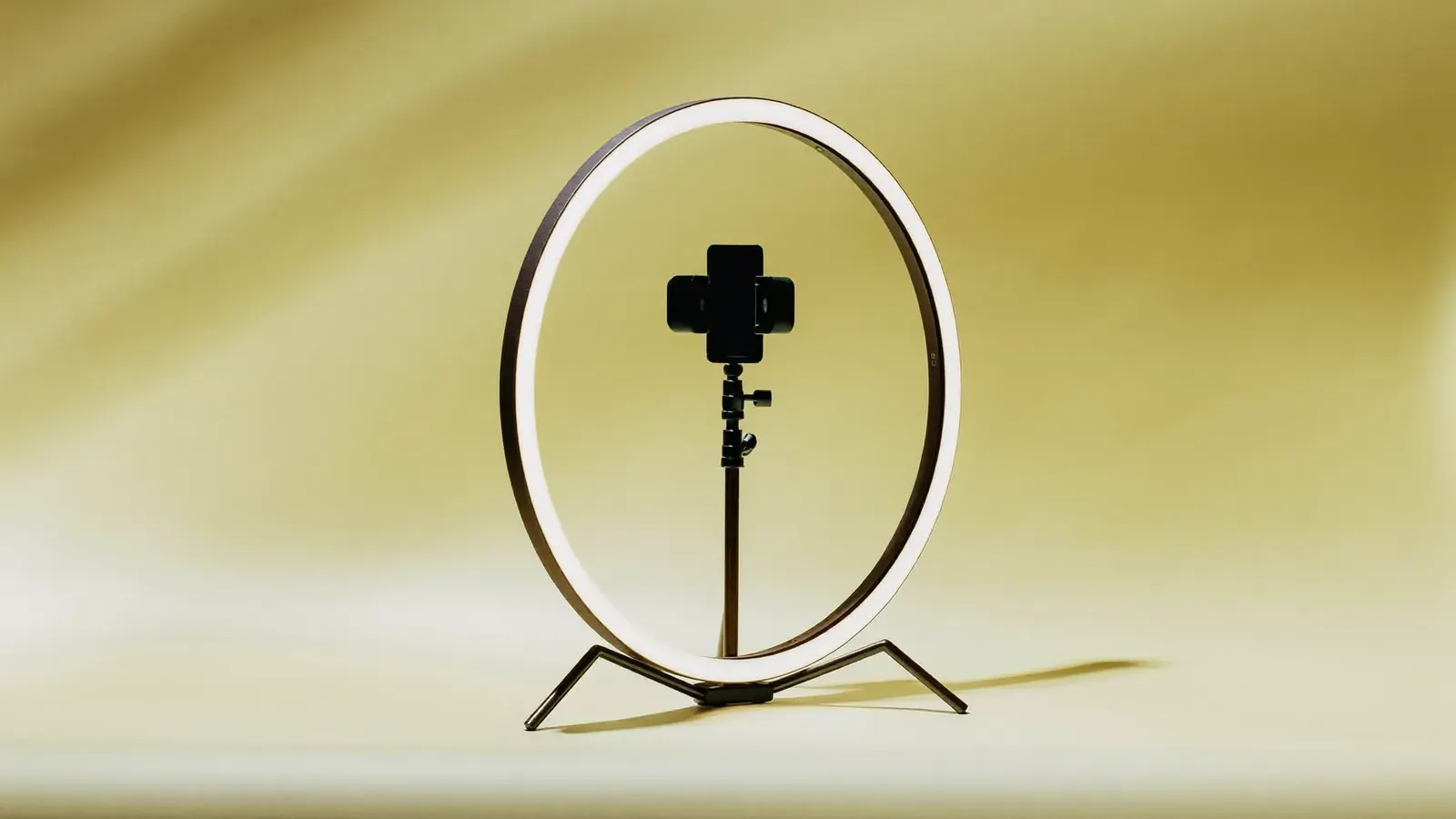
18-inch ring light with stand
Daylight in a spare room shifts through the day. Set the ring light once and your items look the same in the evening show as in your photos.
Typical price$45 to $75
See on AmazonClip-on wireless phone mic
Viewers leave a show when they can't hear you. A clip-on mic keeps your voice level while you reach for inventory.
Typical price$25 to $50
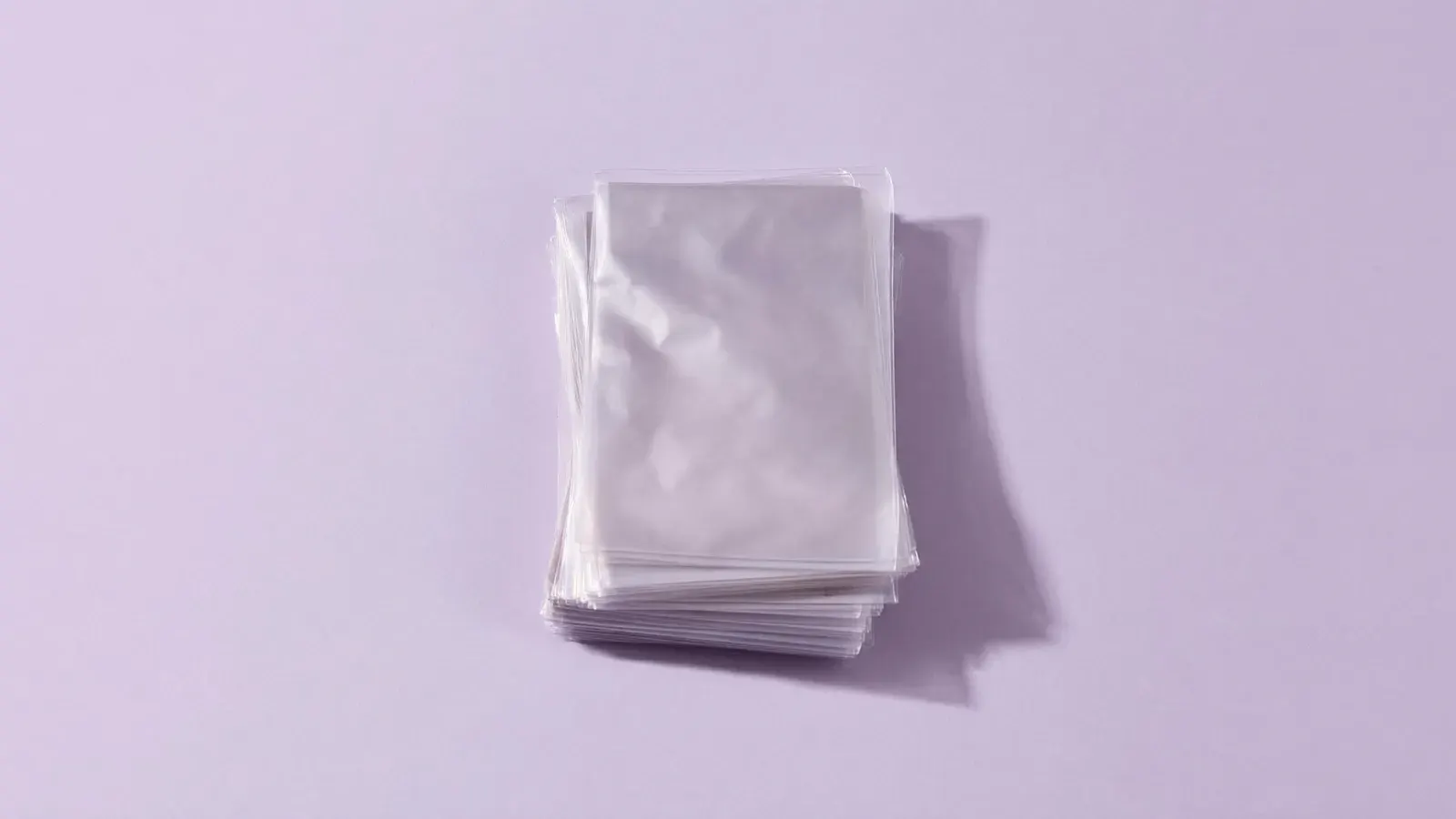
See on AmazonPenny sleeves, 1,000 pack
Stops surface scratches before the card goes into a toploader. At this pack size each sleeve costs about a penny.
Typical price$6 to $14
See on AmazonThe guide
Each step in the order you'll need it.
Point the camera down at the cards
An overhead phone arm clamped to the table edge gives you the top-down view card buyers expect, and frees both hands for flipping cards and opening packs. A tripod works for a face-on shot, but cards look tilted and glare more from that angle.
Set the phone so a single card fills about a third of the frame. Leave room on one side for the next card waiting in its sleeve. Do a ten-minute test recording before your first show and watch it back on another device.
Kit for this step
Light the holo without the glare
Holo and full-art cards bounce light straight back into the lens. An 18 inch ring light is the place to start: put it slightly to one side instead of directly above, then tilt the card to show the shine on purpose.
If glare still washes out the cards, two LED panels at 45 degrees on either side give you softer light. Turn off the overhead room light so you are not mixing warm and cool colors, which makes reds and yellows look muddy on screen.

Make sure buyers can hear the call
Viewers stay through a slightly soft picture but leave when they cannot hear the price or the card name. A clip-on wireless phone mic keeps your voice level whether you look at the camera or down at the binder.
Clip it to your collar, not the table, or every card you set down thuds through the stream. Keep a spare charging cable within reach in case the mic dies mid-auction.
Kit for this step
Sleeve before you go live
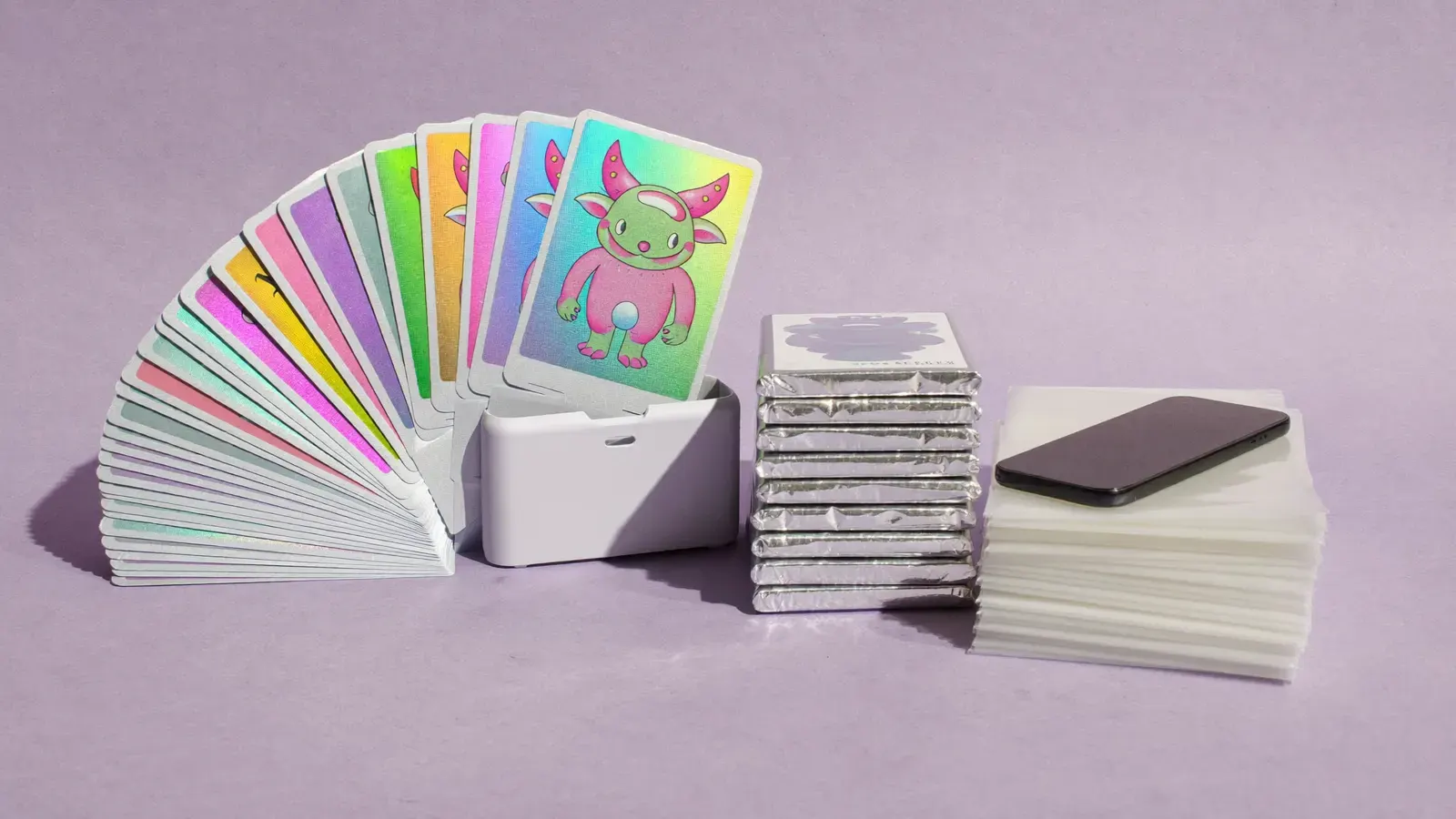
Put every single that might sell into a penny sleeve before you go live. Hits worth protecting go into a toploader as well. Buy both in bulk: a 1,000 pack of sleeves lasts a new seller months.
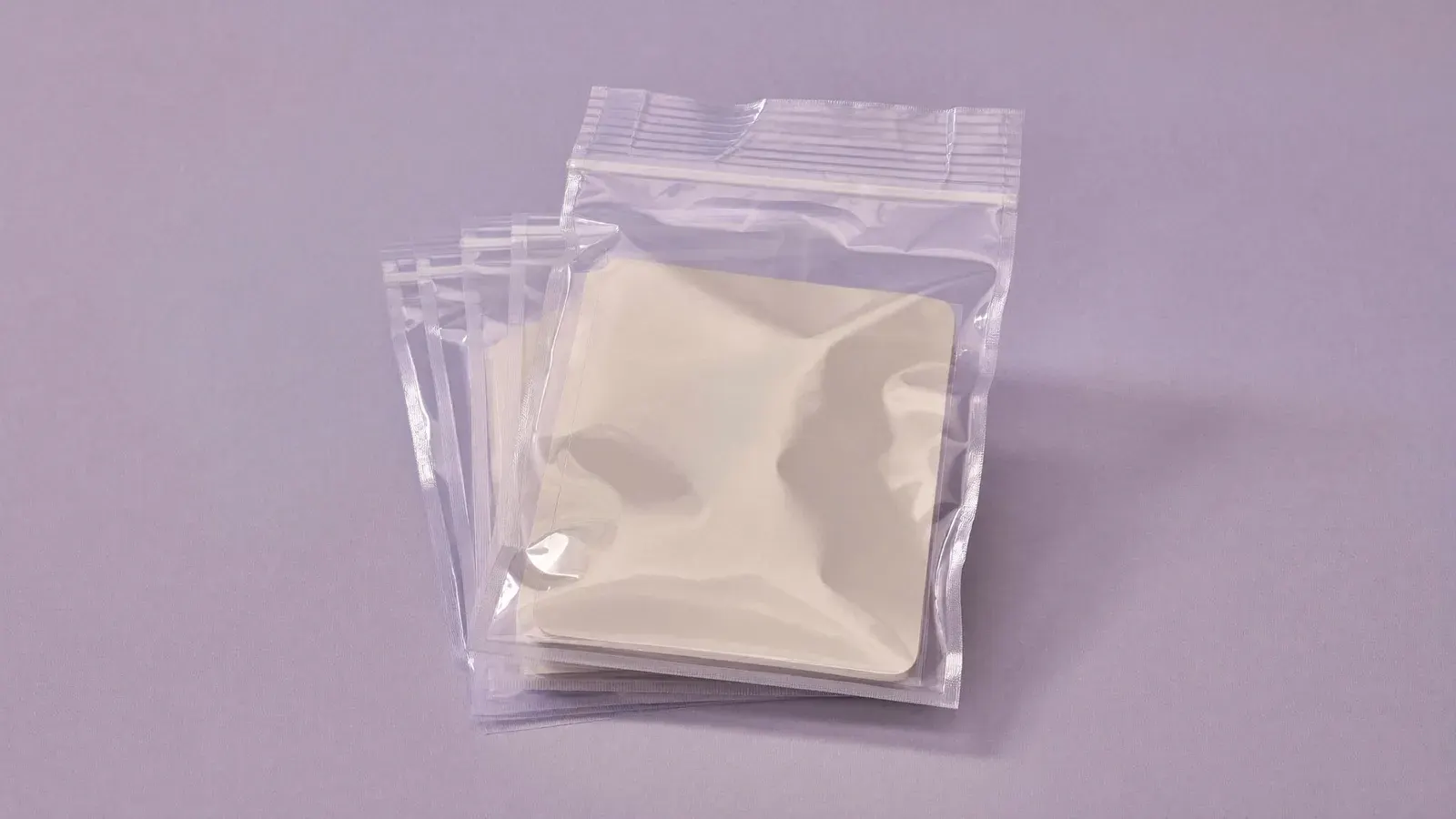
Lay the run order out in a row of toploaders so you can lift, show and set aside in one move. Sold cards go straight into a team bag with the buyer’s username on a sticky note. The note stops most mix-ups when you pack later.
Pack the night’s orders in one sitting
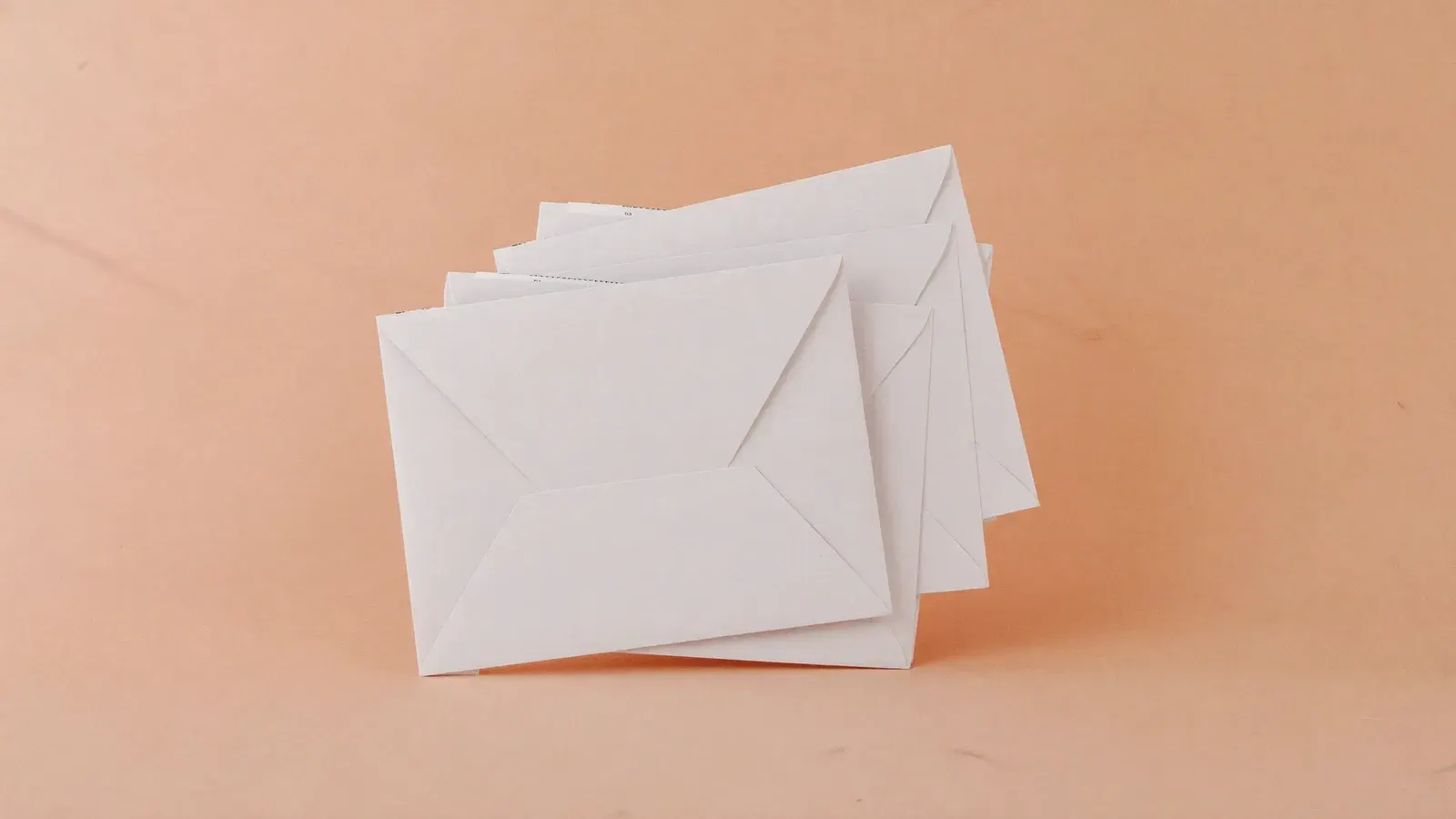
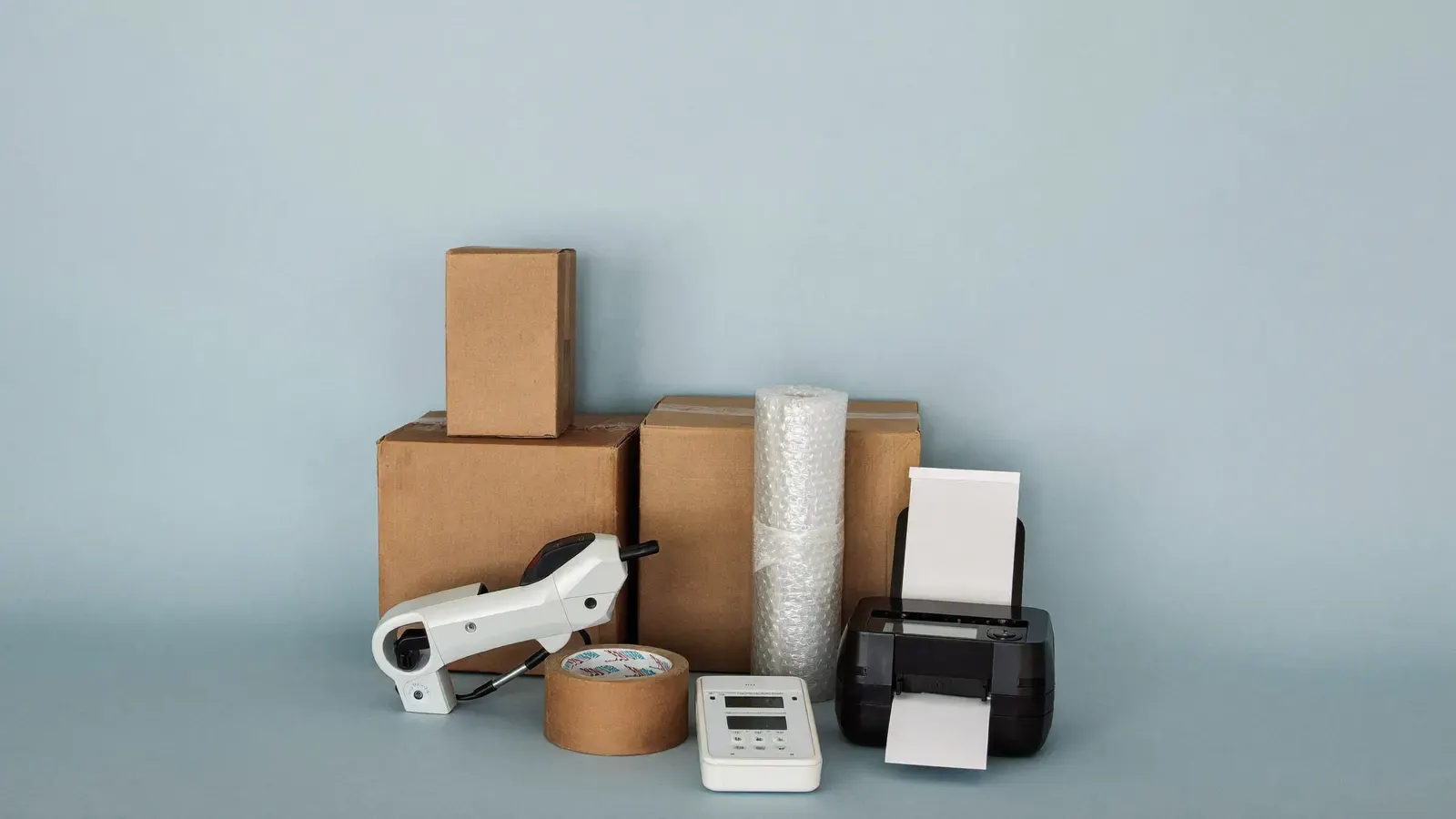
Pack the morning after the show, which leaves time to check every bag against the order list. Slide each toploader or team bag into a rigid card mailer so it cannot bend in transit.
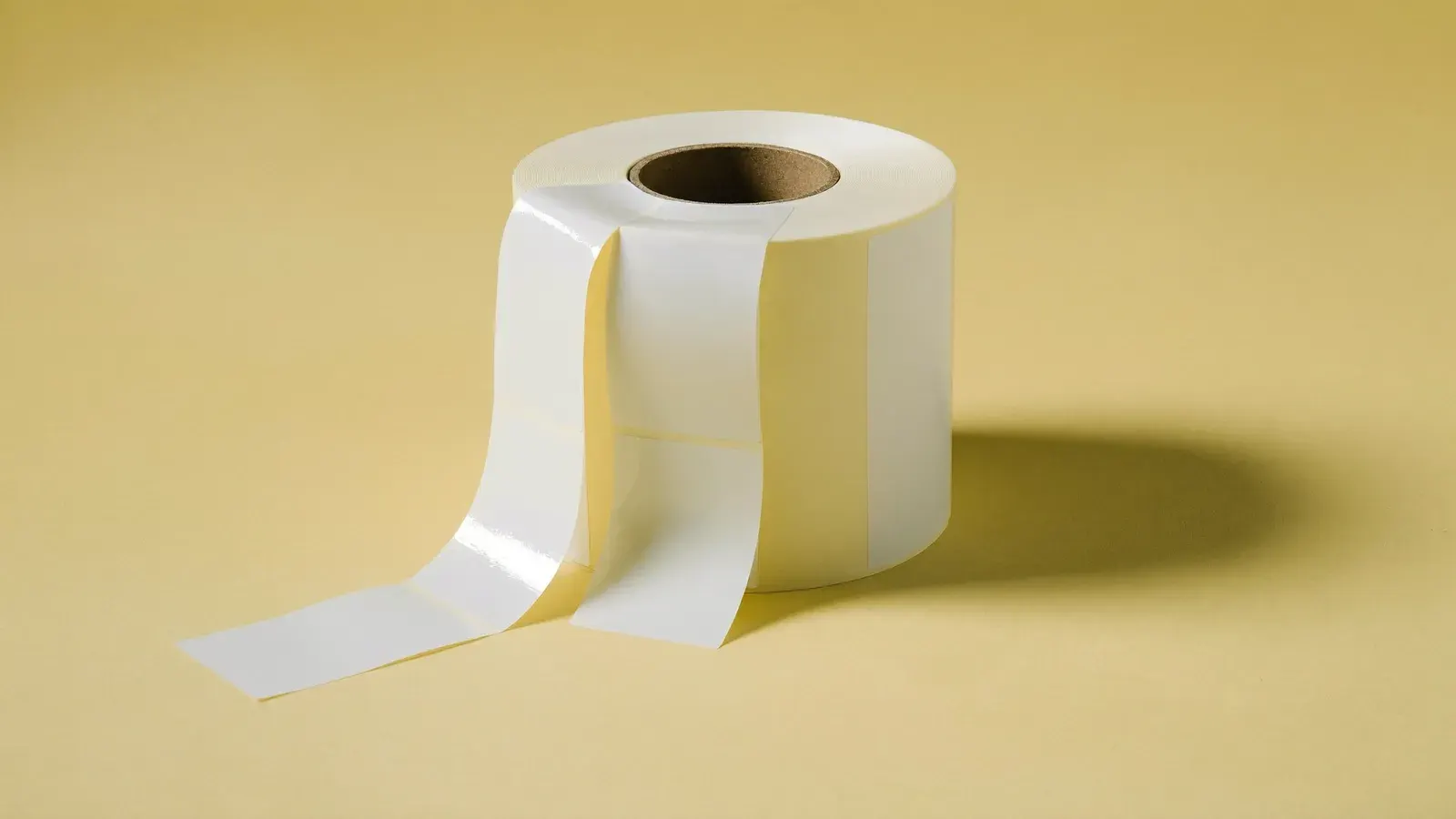
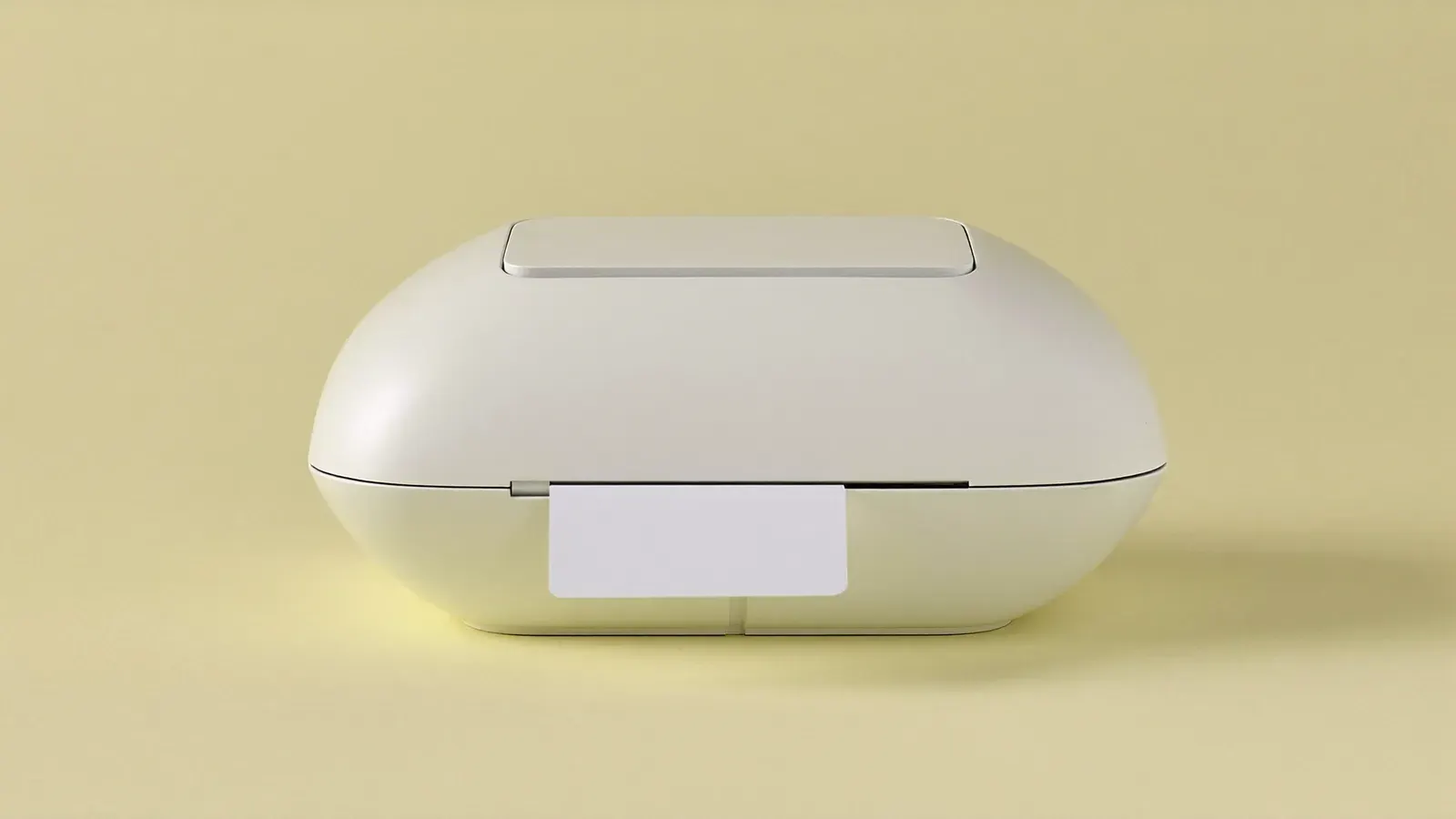
Print labels in one batch with a small thermal label printer and a roll of 4 × 6 inch labels. For combined orders from the same buyer, put all their cards in one team bag and send one package.
Name what you sell accurately
You can say you sell Pokémon cards, because that is the product. Keep your own shop name, logo and show artwork your own. Skip official artwork or logos in thumbnails and packaging, and describe condition in plain terms: near mint, lightly played, creased.
Grade the condition before the show and write it on the sticky note behind the card. Most disputes start with condition called on the spot.
Choose one lane to start
Pick one of three lanes: singles, sealed product or bulk lots. Singles need grading knowledge and good photos. Sealed product needs cash up front and patience.
Bulk commons and reverse holos sell cheap but in volume, which suits live shows. Stay in one lane for three months before adding a second.
Checklist
Run through it before each one goes out.
- 1Clamp the phone arm and frame one card at about a third of the screen
- 2Place the ring light to one side and test a holo card for glare
- 3Clip the mic to your collar and record a two-minute test
- 4Sleeve every single in the run and toploader the hits
- 5Lay out team bags and sticky notes for sold cards
- 6Stock card mailers and a fresh label roll before show day
- 7Write condition on a note behind each card before you go live
Setups
Complete kits for one kind of seller, costed and laid out.



Questions
Straight answers to what sellers ask about this.
Do I need a second phone to sell cards live?
No. One phone on an overhead arm covers a first show. Add a tablet for chat later if you find yourself squinting.
Is a ring light enough for holo cards?
Yes, if it sits to one side. If the foil still flares, add two LED panels at an angle and switch off the overhead light.
How should I ship a single card sold live?
Penny sleeve, then toploader, then team bag, then a rigid card mailer. Whatnot sets the shipping method for live orders, so check its current shipping help page.
Can I use Pokémon artwork in my show thumbnail?
Avoid it. Use your own photos of your own cards and your own shop name. Official logos and artwork belong to the rights holders.
Should I sell on Whatnot or TikTok Shop first?
Pick the one where you already watch card shows and know how buyers behave. The kit here works on both, so you can try the other later without buying anything new.
How many cards should I prepare for a first show?
Enough to fill the time you plan to stream with a few spare. Leftovers become the next show’s run.