





The kit, stock levels and daily routine that keep packing 100 orders a week from home down to an hour or two a day.
Updated October 9, 2026
Before you start
The kit, stock levels and daily routine that keep packing 100 orders a week from home down to an hour or two a day.
A hundred orders a week is about fourteen a day if you pack seven days, or twenty a day if you pack Monday to Friday. At that pace, hunting for the right box and writing labels by hand adds minutes to every batch.
Print labels in one batch, hold two weeks of supplies and reorder at a set level. Three packaging sizes cover most orders; check yours against your last 100. The setup suits items that fit in a box or a padded mailer.
Kit for this
The products this guide uses, with typical US prices.
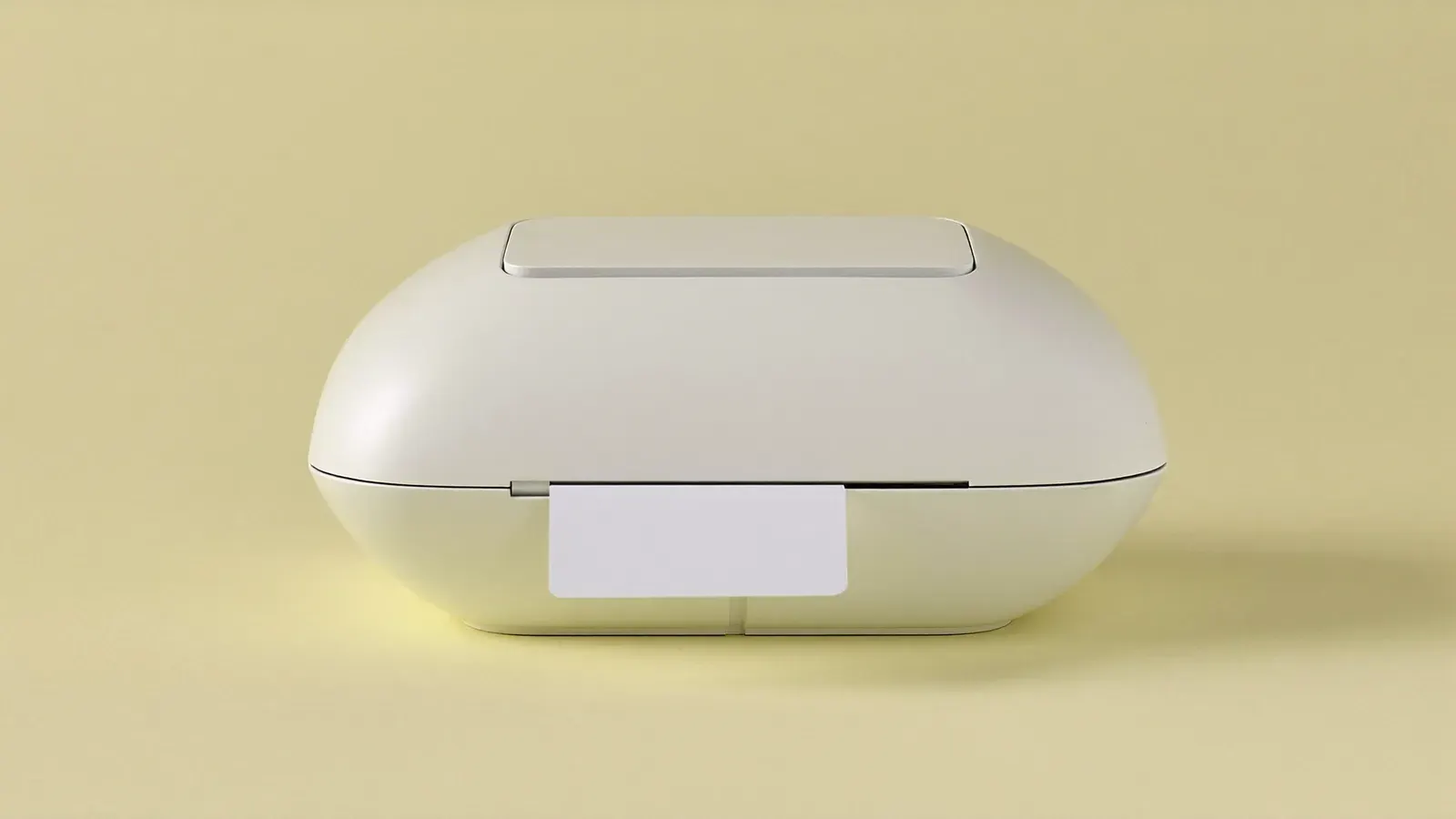
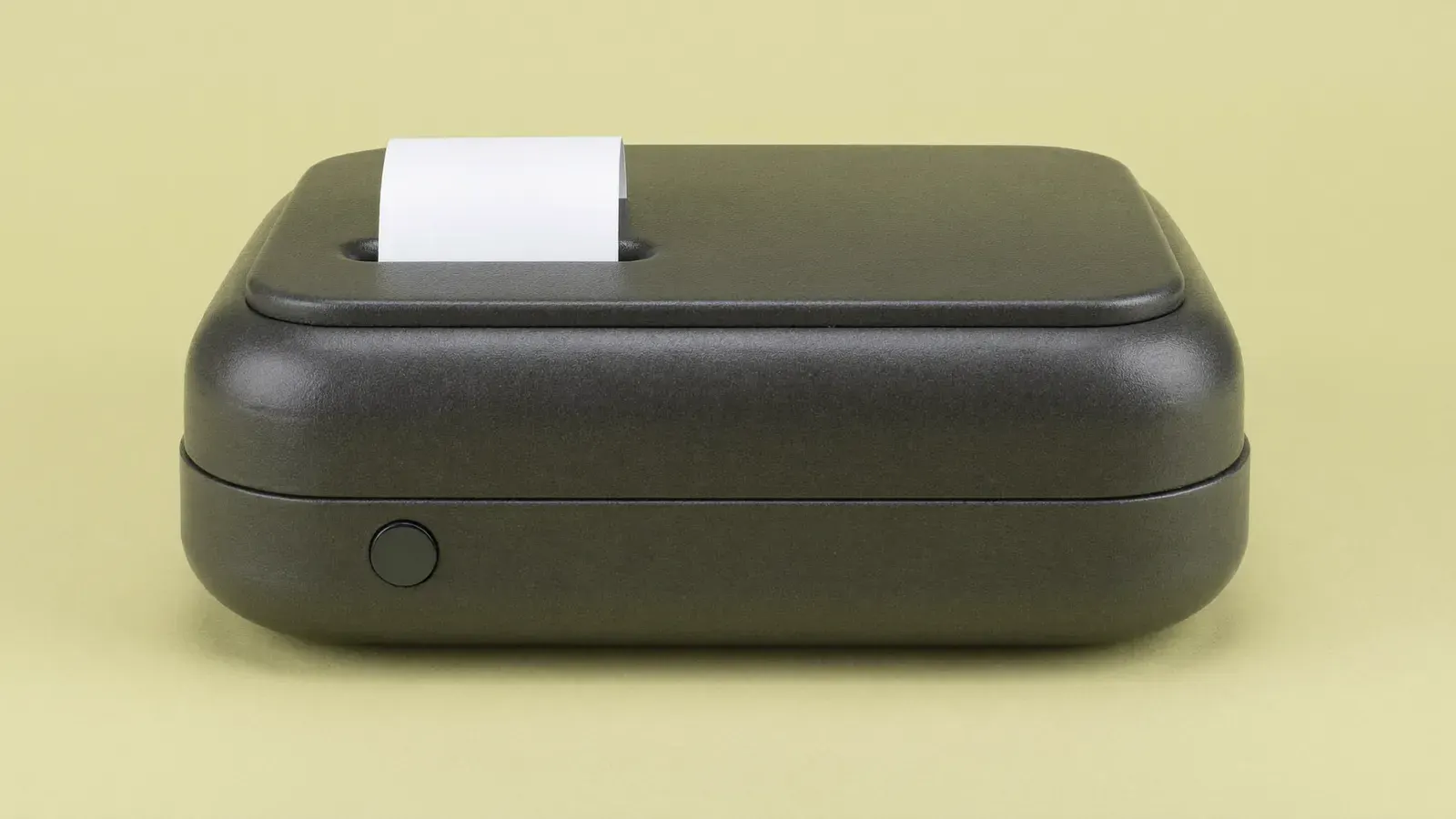
MUNBYN thermal label printer
It takes the standard 4 × 6 inch labels that eBay, Poshmark, Mercari and Whatnot all generate, and generic labels work, so the running cost stays low.
Typical price$60 to $100
See on Amazon
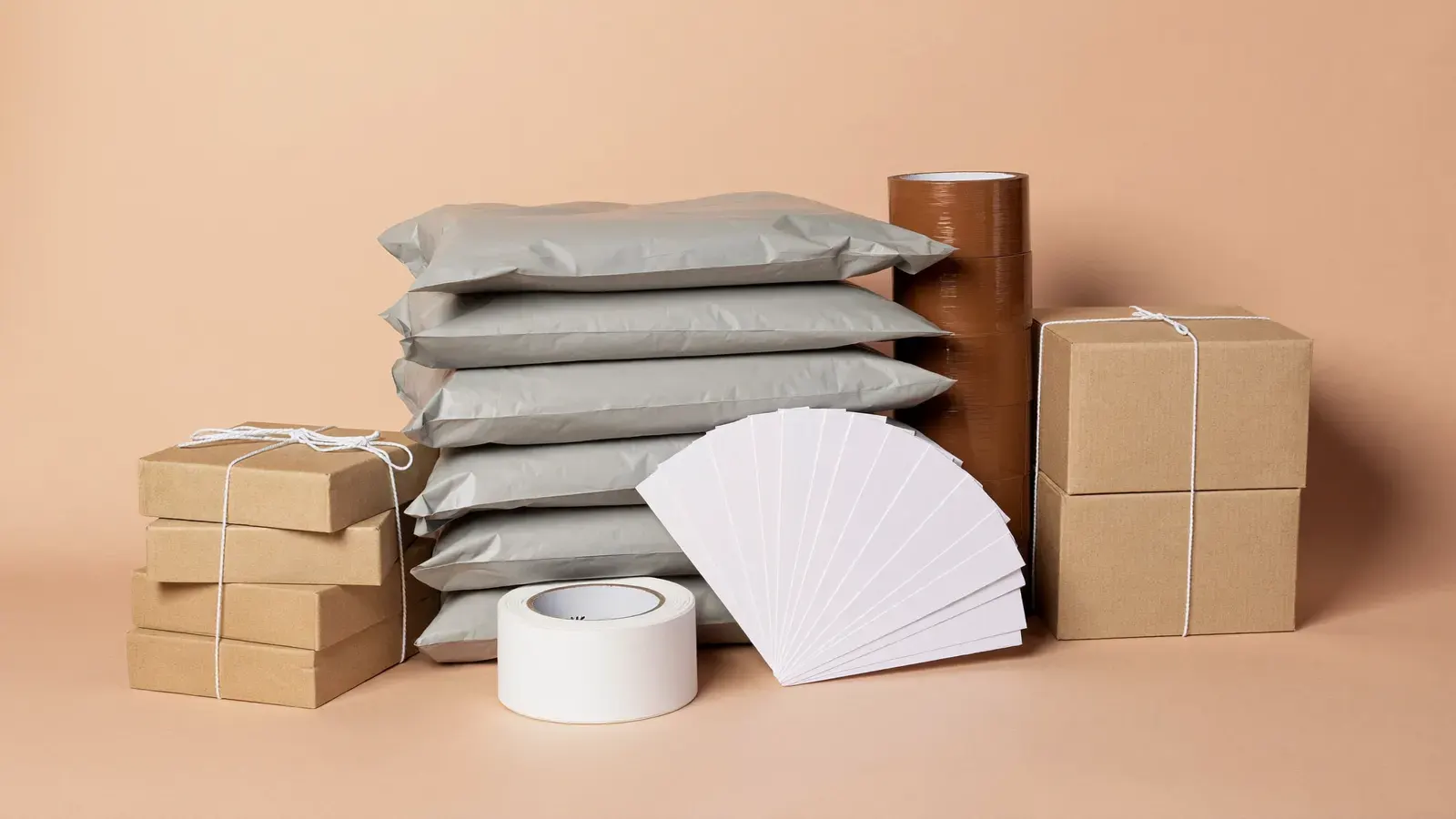
4 × 6 in thermal labels, 500 fanfold
Fanfold stacks feed flat behind the printer and hold more labels than a roll. 4 × 6 in matches the label size USPS, UPS and the marketplaces print.
Typical price$8 to $16
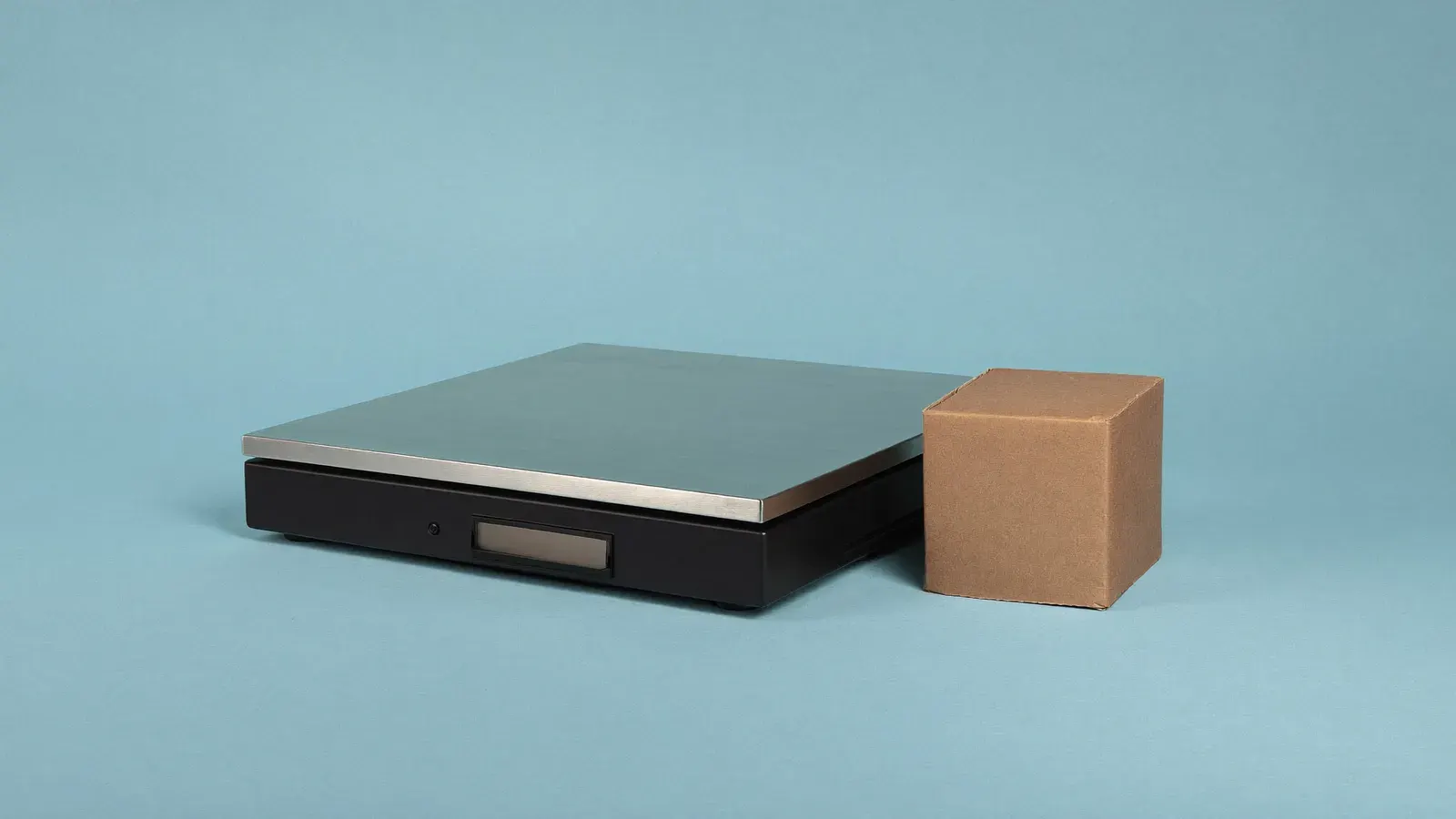
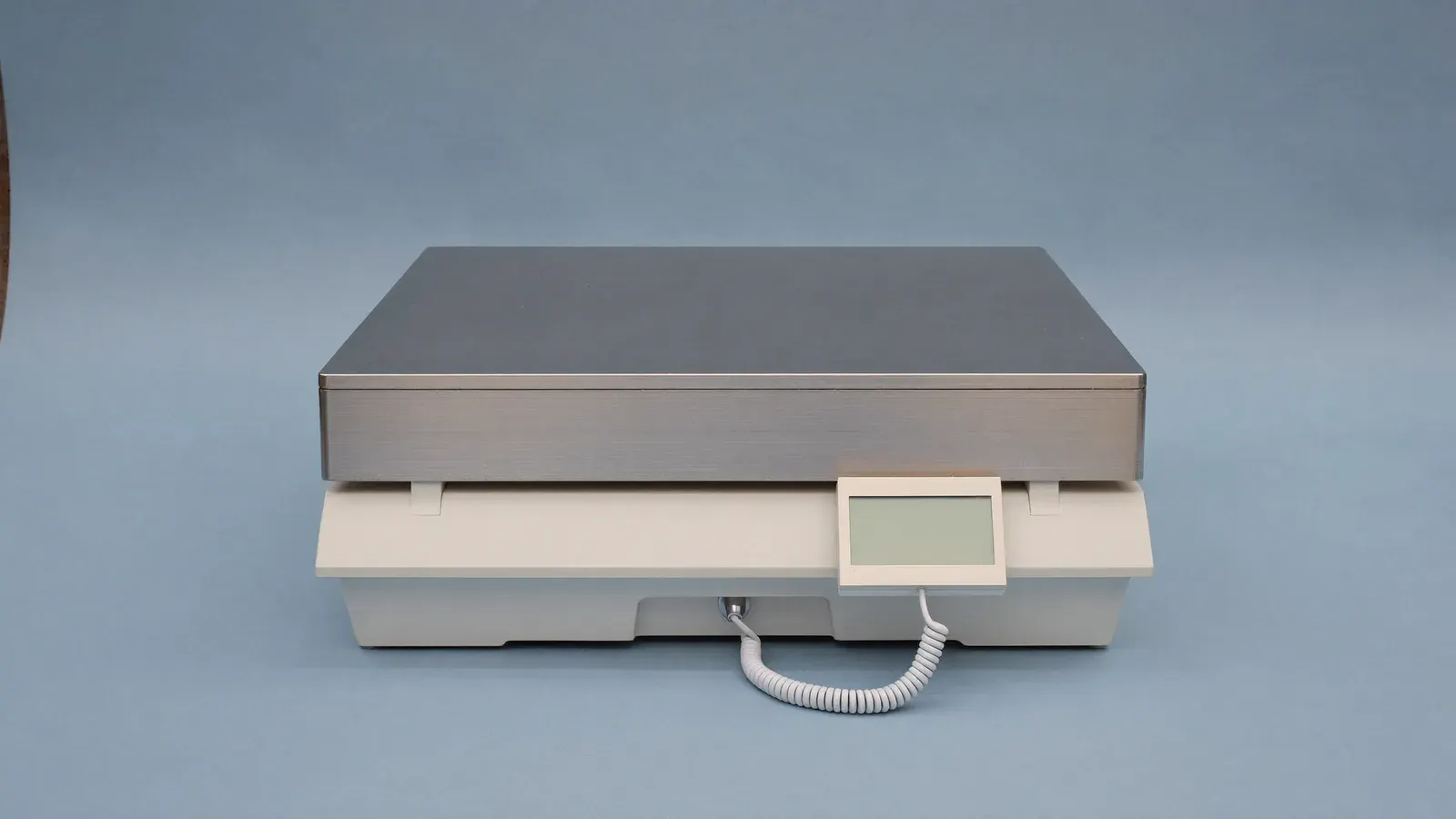
See on Amazon110 lb shipping scale with fold-up display
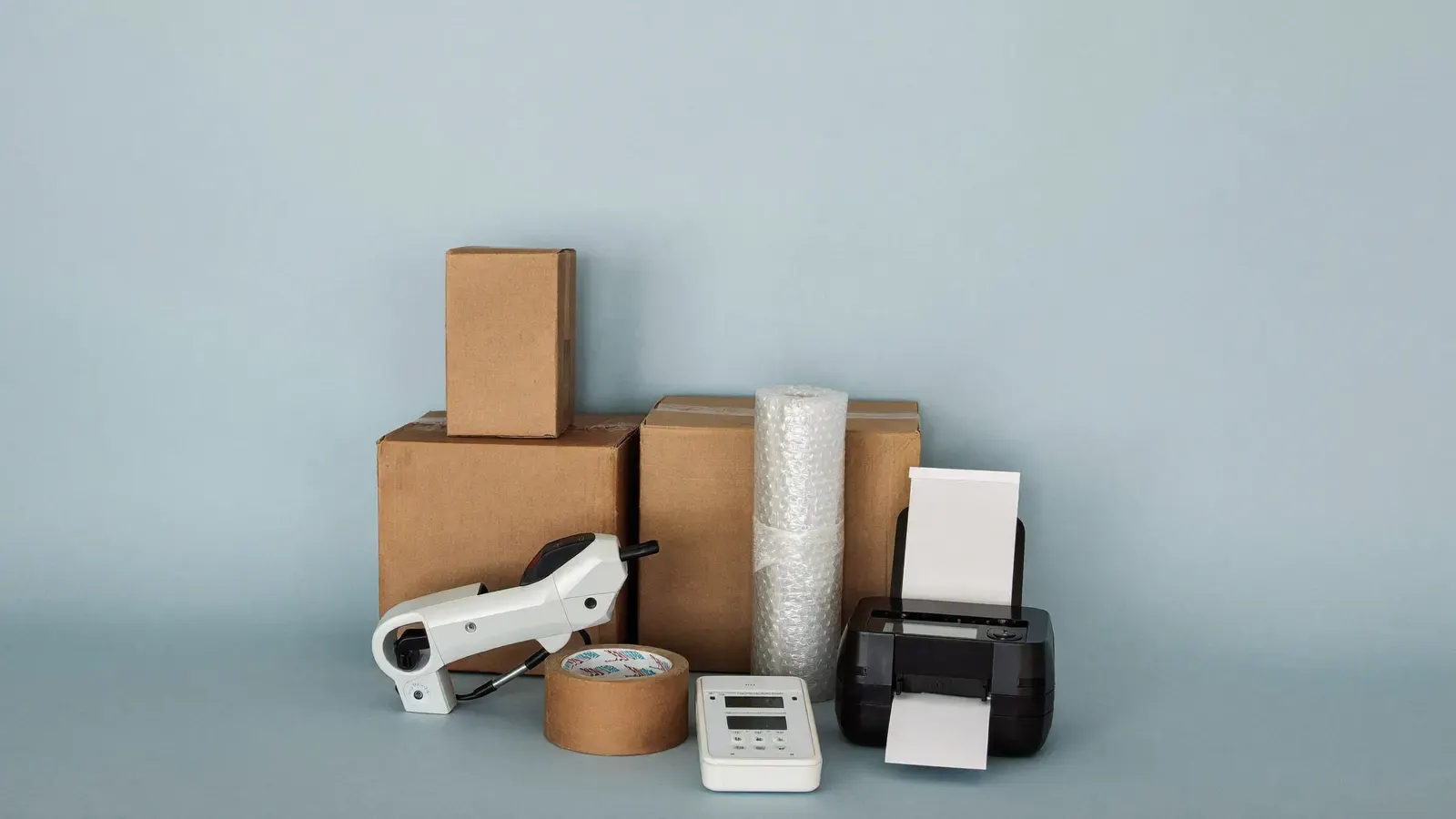
A wrong weight gets you an adjustment charge from the carrier or postage you overpaid. This platform scale takes up to 110 lb, and its backlit display folds up 90 degrees, so you can still read it when a box hangs over the top.
Typical price$18 to $30
See on AmazonTape gun dispenser
Once you ship more than a handful of boxes a week, a tape gun saves minutes on every session and stops tape ends sticking to themselves.
Typical price$10 to $20
See on Amazon
The guide
Each step in the order you'll need it.
Print every label in one batch
A thermal label printer is the first thing to buy at this volume. It needs no ink or scissors and prints a batch of fifteen labels in under a minute. A sturdier model lasts for years.
Use fanfold 4 × 6 inch labels rather than rolls. A stack sits behind the printer without a holder, and at 100 orders a week a 500 stack lasts about five weeks.
Pull every order into your platform’s label tool or a shipping app that buys USPS and UPS labels in bulk, and print the lot at once. Labeling package by package means opening the tool 100 times a week.
Cut your packaging down to three sizes
You can cover nearly every order with three formats: a padded mailer for flat and small items, a small single-wall box for anything that can crush, and one larger box for the odd bulky sale. Three sizes take less shelf space and make choosing a box quicker.
Look back at your last 100 orders and sort them into those three. If one size takes more than half, buy it in the biggest pack you can store.
Kit for this step
Hold two weeks of supplies, reorder at one
If you run out of mailers mid-batch, packing stops until the next delivery. Keep roughly two weeks of each supply and reorder when you open the last week’s worth. Put a marker line on the shelf so you can see the trigger without counting.
Order tape with the mailers. A tape gun makes each box a single pull instead of a fiddle with the end.
Kit for this step
Weigh each package before you print its label
If you guess the weight, you can underpay and get an adjustment charge from the carrier or platform, or overpay and lose margin. A shipping scale sits flat on the table, so you can weigh each package as you seal it. A larger model with a fold-up display suits big boxes; a smaller one is enough if your packages are light.
Commercial USPS Ground Advantage labels charge one price under a pound and step up by the pound above it, so a few ounces over a pound line can move the rate. Tape a list of your usual items and their packed weights to the wall. After two weeks you will know most of them without looking.
Batch each step for the whole day's orders
Work in this order: pick, pack, weigh, label, stack. Do each step for the whole batch before moving to the next. Picking all fourteen orders first, then packing all fourteen, is faster than finishing each order start to end.
Stack finished packages by the door and clear the table at the end of each session, so the next batch starts on an empty surface.
Know when to upgrade
If the printer jams on long runs, look at an industrial label printer. If bubble wrap is slowing you down, honeycomb paper wrap on a dispenser roll is quicker to tear and looks tidier.
If you stand in line at the post office every day, schedule a free USPS Package Pickup from your home instead. Check the USPS pickup page for what qualifies.
Kit for this step

Pick the table: folding, fixed or counter
A 6 ft folding table is the flexible choice for a spare room you also use for something else. It packs away in minutes and is long enough to work left to right.
A fixed desk or kitchen counter is steadier and often the right height already. You lose it for anything else. If you stand to pack, aim for a surface near your hip height and raise a folding table on risers if needed.
Kit for this step

Start with a tidy outside
The outside is what the buyer sees first. Use one style of mailer, print labels on a thermal printer so they are straight and sharp, and tape neatly with no loose ends. Skip reused grocery bags: they crumple and make the care inside look accidental.
Recyclable paper mailers look smarter than plastic, and many buyers prefer them. The product tile shows a typical price. Depop's packing tips lean the same way: paper tape, recycled card and a handwritten note.

Checklist
Run through it before each one goes out.
- 1Set up a thermal printer with fanfold labels behind it
- 2Choose three packaging sizes from your last 100 orders
- 3Stock two weeks of each supply and mark the reorder line
- 4Weigh every package before you print its label
- 5Print all labels for the day in one batch
- 6Pick the whole batch before you start packing
- 7Keep finished packages by the door, off the table
Setups
Complete kits for one kind of seller, costed and laid out.





Questions
Straight answers to what sellers ask about this.
How many labels do I need for 100 orders a week?
One per package, so about 100 a week. A 500 fanfold stack lasts roughly five weeks, with a few spare for misprints.
Is a thermal printer worth it at this volume?
Yes. It needs no ink and no trimming, and printing a batch of fifteen labels takes under a minute.
Should I buy boxes in bulk?
Buy your most-used size in the biggest pack you can store. Keep the rare sizes in small packs so they do not take over the room.
Do I need a big scale if most packages are light?
No. A smaller shipping scale handles most packages. Pick the larger one if you ship heavy boxes that would hide a flat screen.
How do I stop running out of mailers?
Hold two weeks of supplies and reorder when you start the last week’s worth. A marker line on the shelf makes the trigger visible.
Can USPS pick up my packages?
USPS offers free Package Pickup from your address for many services, scheduled online. Check the USPS pickup page for the current terms.
Does the batch routine work for an Etsy shop?
Yes. Select every open order on Etsy's Orders and shipping page and print the packing slips together with the labels. A buyer's gift message prints on the slip, so match each slip to its label before you seal the package.