

Skip to contentSeller Setups

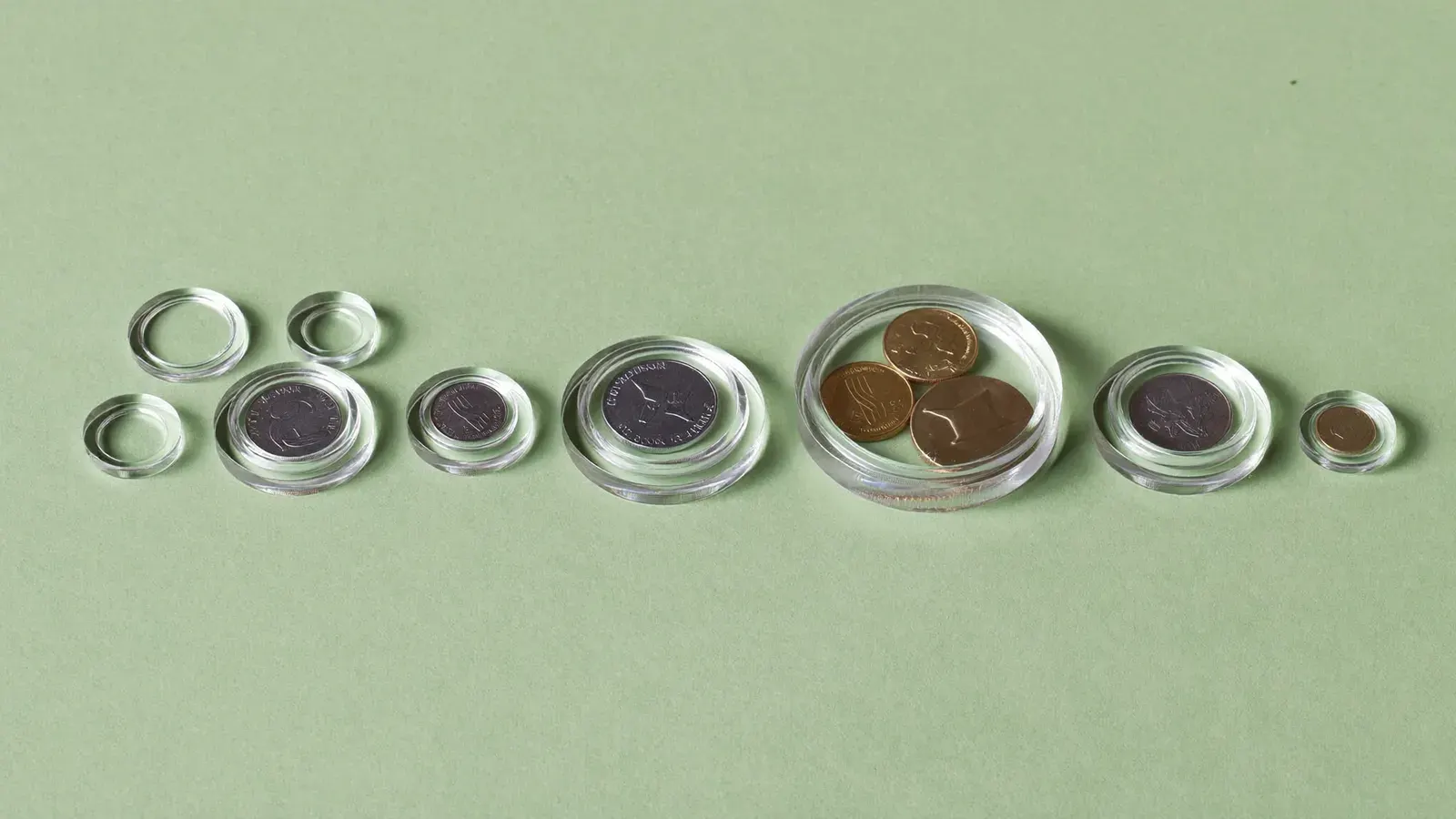
A weekly online auction house where experts pick which lots go up. Good for coins, watches, art and collectibles worth €100 or more, if you can photograph and pack them like a dealer.

5-tier steel shelving, 180 cm
180 cm folding table
Catawiki

What you need for Catawiki

The kit our builder picks for a typical Catawiki seller. Change the answers to fit yours.

5-tier steel shelving, 180 cm

Storage

5-tier steel shelving, 180 cm

Holds tubs or boxes floor to ceiling in a small footprint.

See on Amazon
180 cm folding table

Packing table

180 cm folding table

A dedicated packing surface you can fold away.

See on Amazon
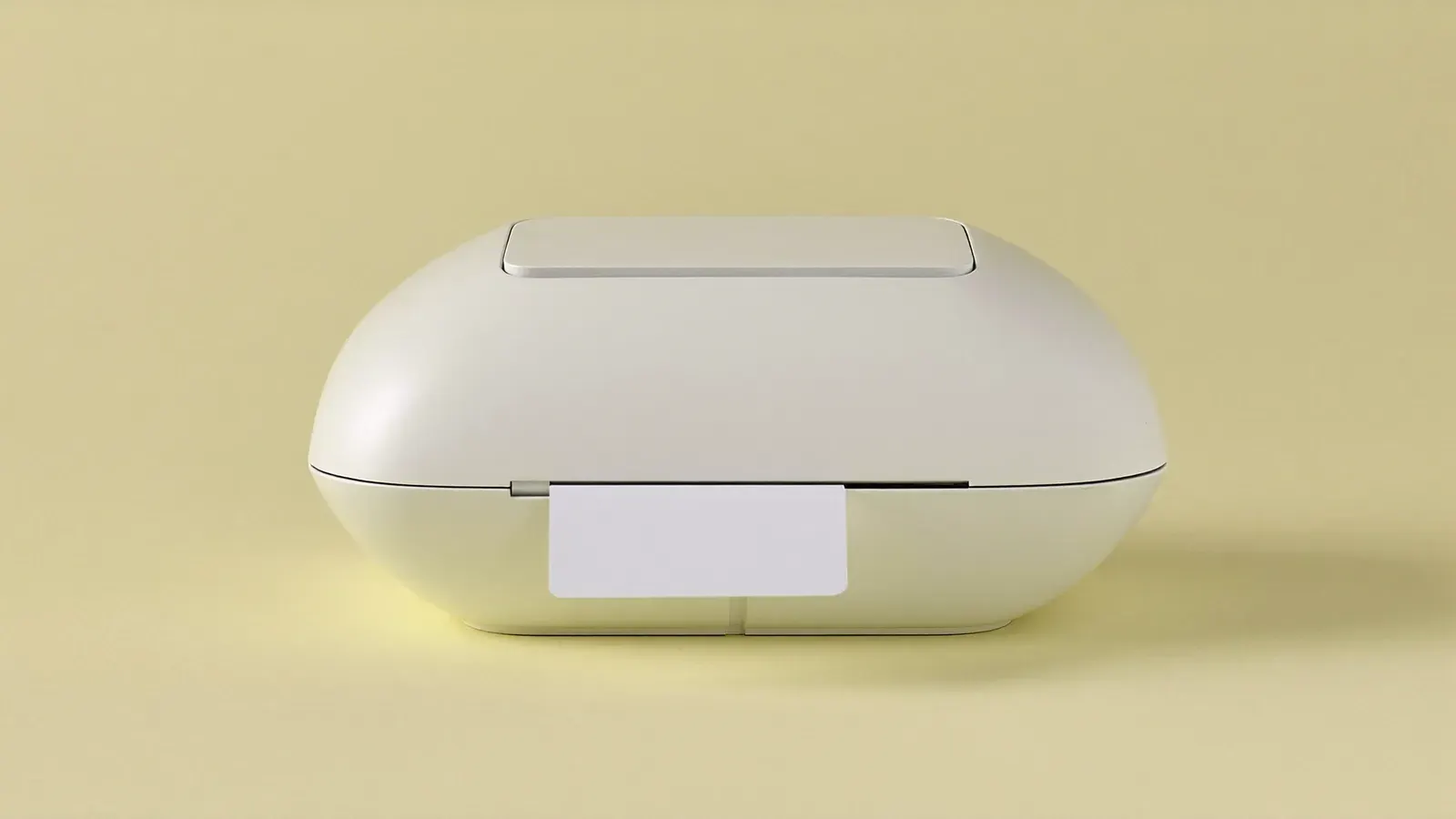
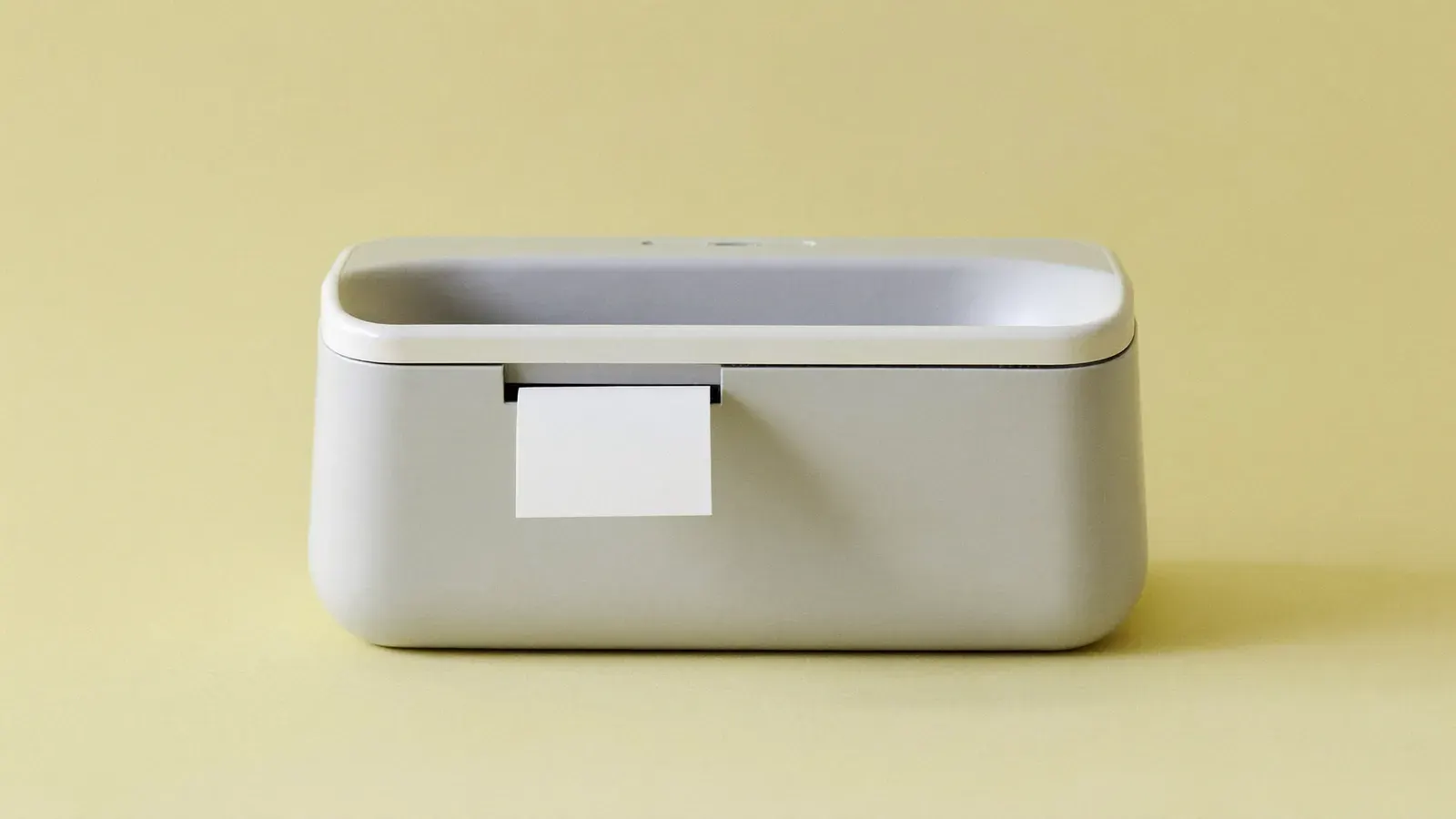
Phomemo thermal label printer

Label printer

Phomemo thermal label printer

A compact thermal printer for your first few hundred labels.

See on Amazon
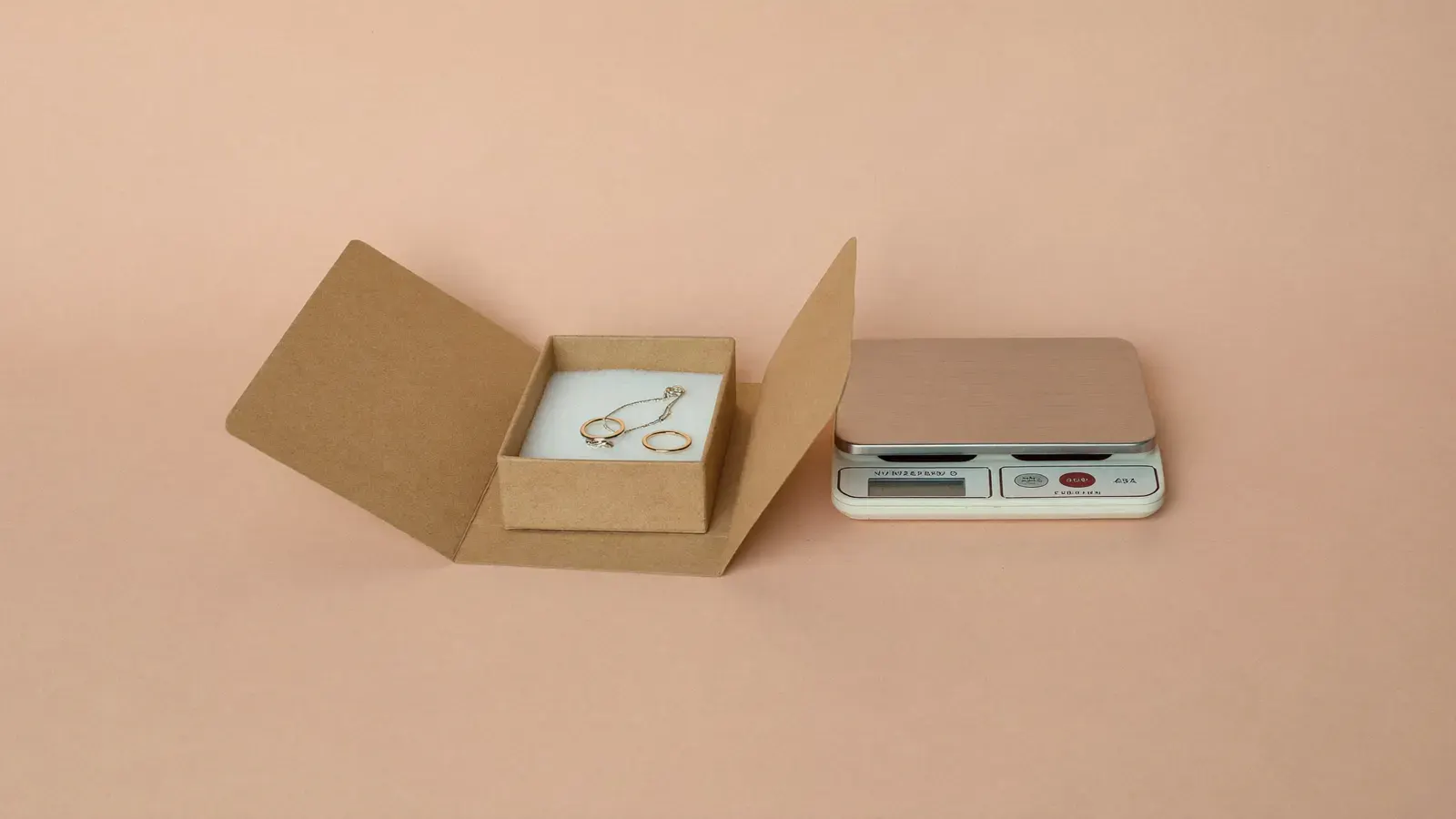
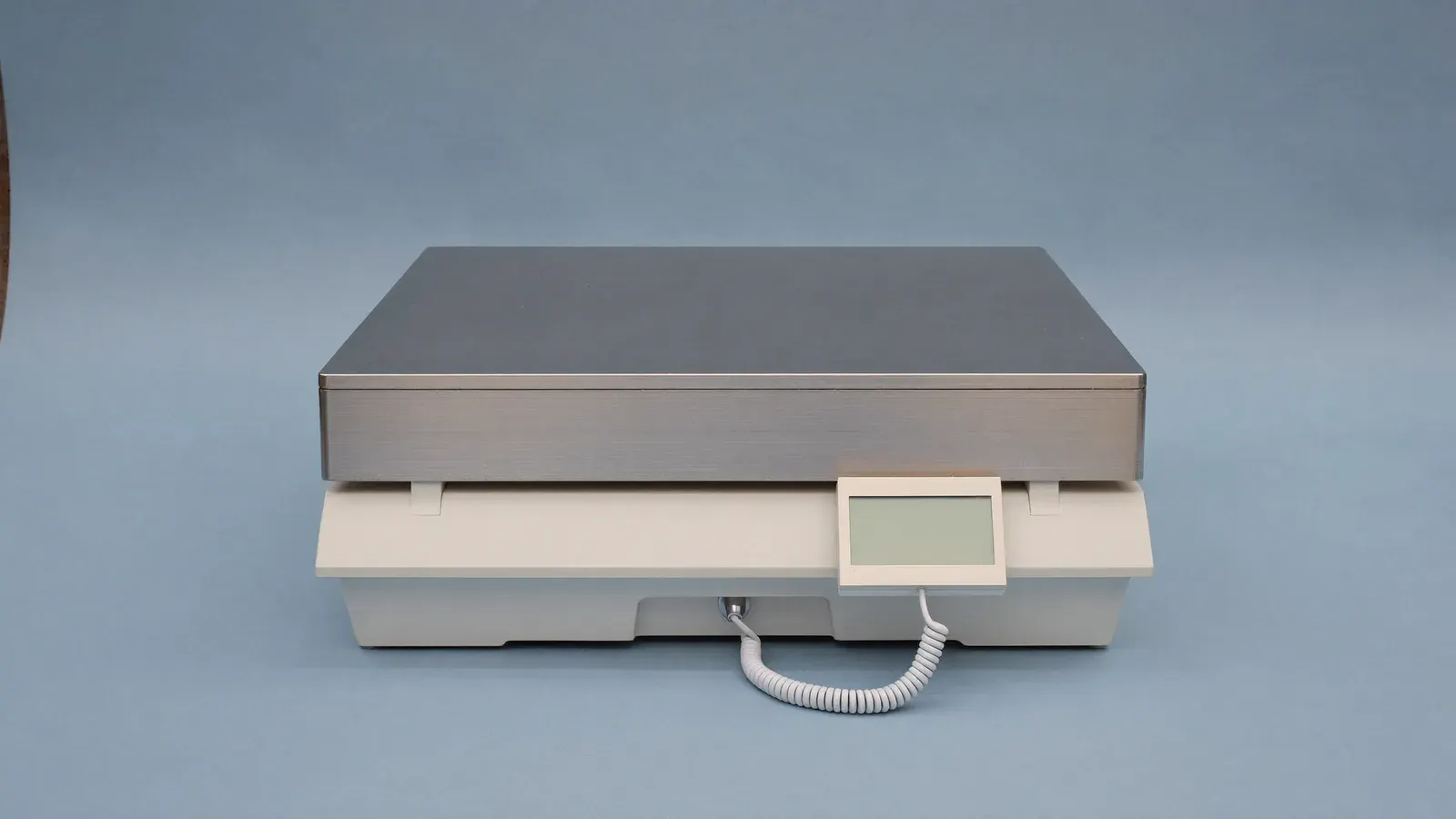
30 kg digital postal scale

Scales

30 kg digital postal scale

A lower-priced platform scale for everyday parcels.

See on Amazon

The guide

Each step in the order you'll need it.

01

How a Catawiki auction works

You upload photos and a description, set a reserve and a shipping price, and send the lot for review. Once an expert accepts it, it goes into the next suitable weekly auction.

Bidding usually runs for about a week and ends with a countdown. When it closes, the buyer pays Catawiki, and you get a message to ship.

02

Photos an expert will accept

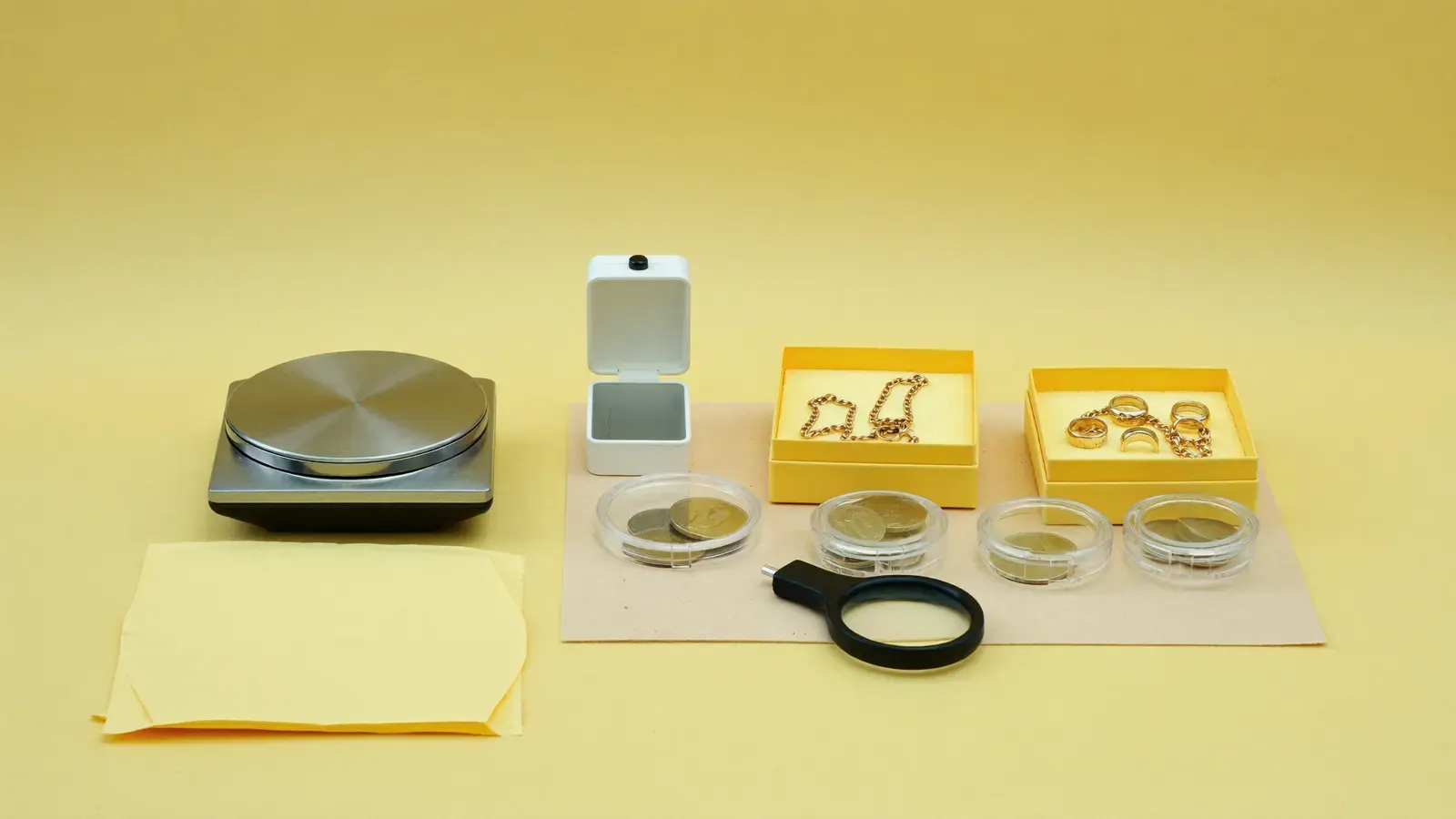
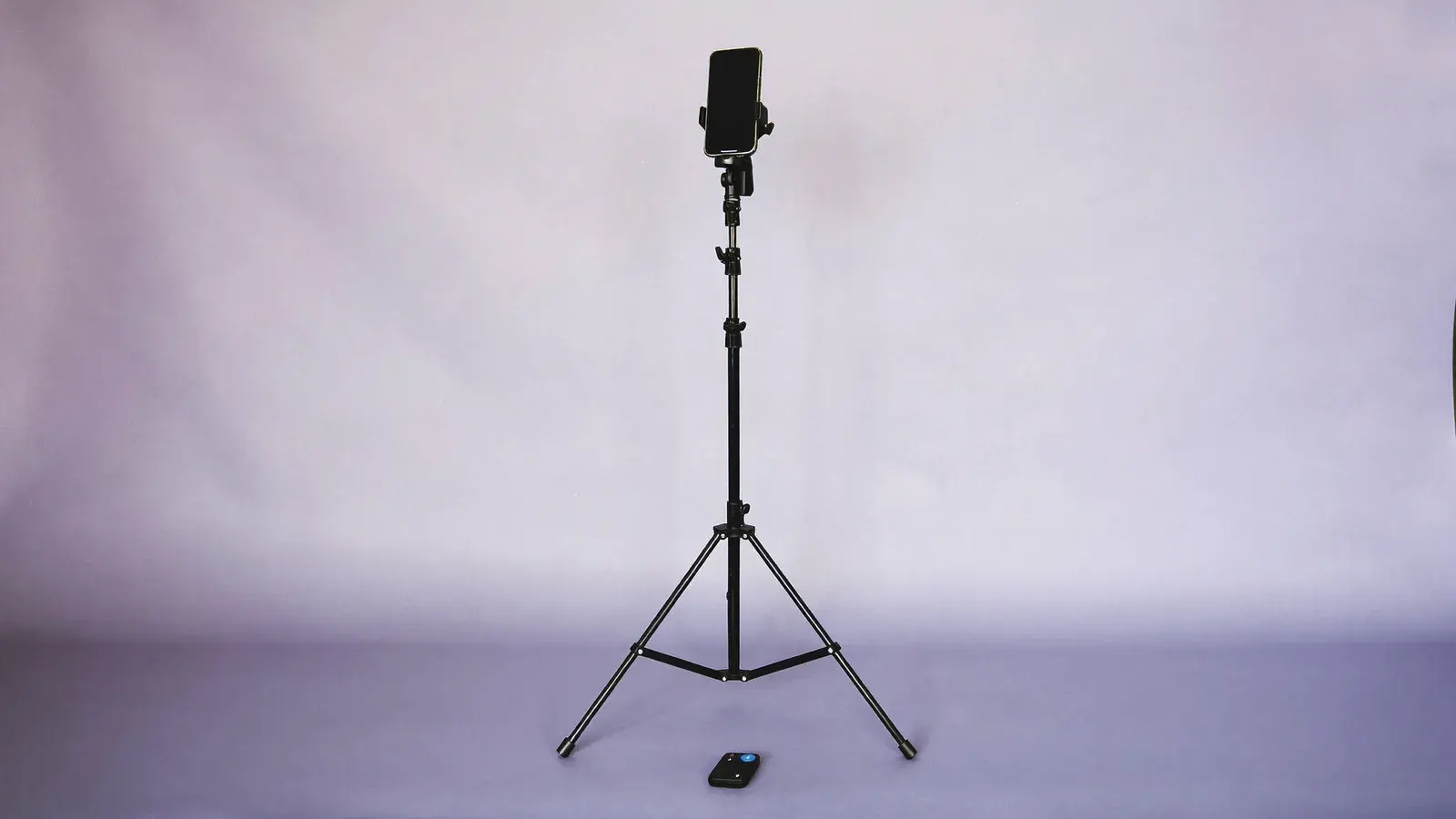
The expert decides from your photos alone, so show every mark, hallmark, signature and flaw. Shoot in daylight or under even light, against a plain background.

A light tent gives small objects like coins and watches a clean, shadow-free look, and a tripod keeps close-ups sharp.

03

Pricing and reserves

Look up finished Catawiki lots for the same object before you set a reserve. A reserve near the real market value gets through review faster than a hopeful one.

Leave room for the 12.5% commission when you work out what you need to clear.

06

When the hobby becomes a business

Once you buy objects to resell, register as a business and switch to a business seller account, which brings duties such as invoices and the EU 14-day right of withdrawal.

Log each purchase price next to its hammer price from day one, and the figures Catawiki reports will line up with your own.

Common mistakes

Each one costs you money or reviews, and each has a fix.

  • Setting a reserve far above recent results gets the lot rejected or unsold. Check finished auctions first.
  • Hiding a flaw in the photos leads to a dispute and a held payout. Show it plainly.
  • Guessing the shipping price leaves you paying the difference. Weigh the packed parcel first.
  • Sending a valuable lot without tracking and insurance means no payout if it goes missing.
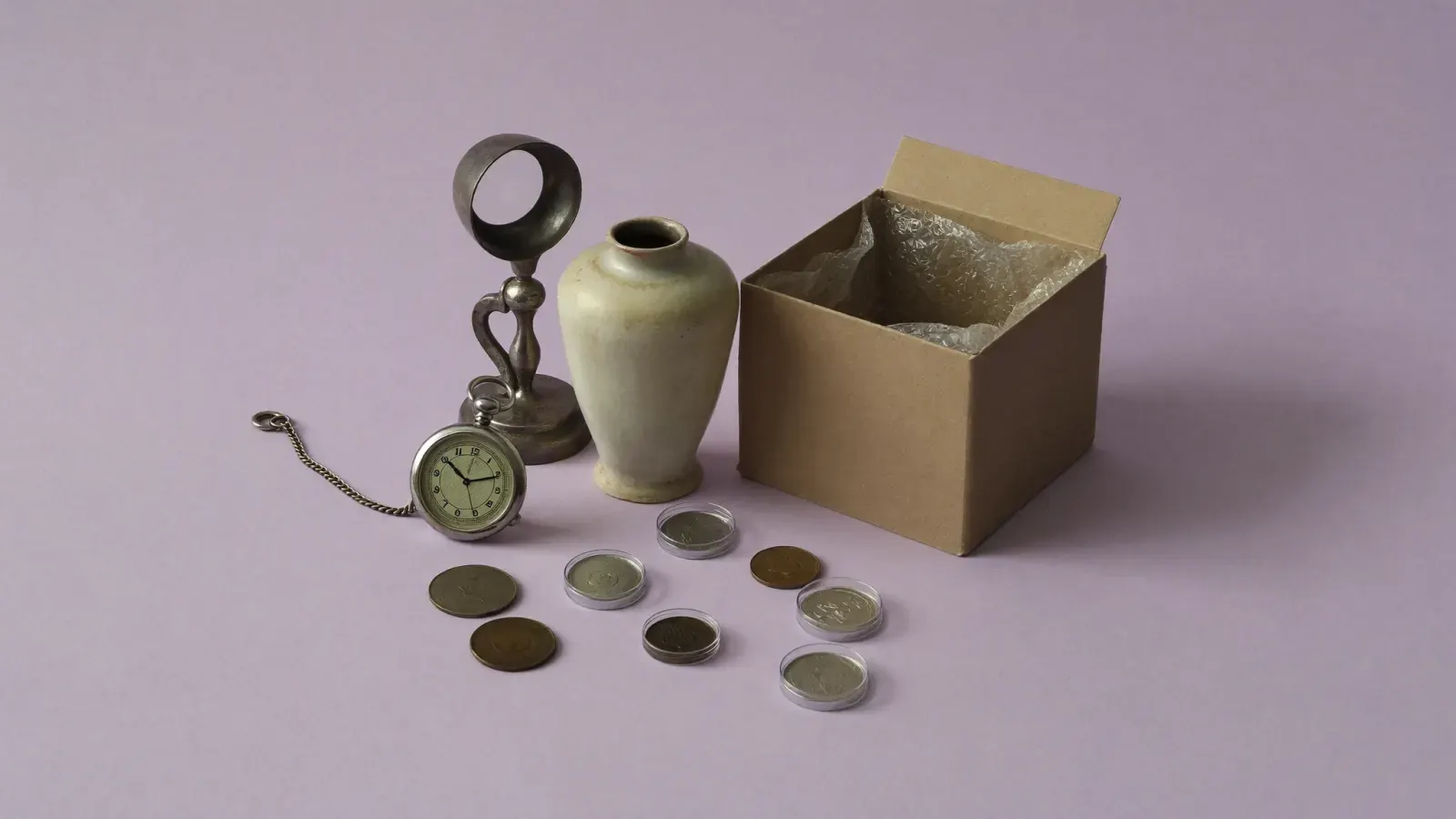
  • Packing a fragile object in a single-wall box fails on a cross-border trip. Use a double-wall box with fill.

Setups

Complete kits for one kind of seller, costed and laid out.

Guides

Step-by-step help for the jobs that come next.

Selling on Catawiki

Catawiki runs themed auctions every week, from coins and stamps to vintage watches and comics. You submit an object, a Catawiki expert decides whether it goes into an auction, and buyers across Europe bid on it for about a week.

The seller commission is 12.5% of the winning bid, and the buyer pays a separate auction fee. Your setup needs a clean photo spot that shows marks and wear, and strong packing, because most lots travel to another country.

Questions

Straight answers to what sellers ask about this.

What does Catawiki charge sellers?

Catawiki takes a seller commission of 12.5% of the winning bid, excluding VAT, with a small fixed fee on some price bands. Submitting a lot is free. Check Catawiki’s seller terms for the current table before you set a reserve.

Will every object I submit be accepted?

No. A Catawiki expert in that category reviews each submission and can turn it down or suggest a reserve. Objects worth under about €100 rarely get through, so keep cheaper items for eBay or Vinted.

When do I get paid?

After the buyer has paid and the tracking shows delivery. The buyer has a short window to raise a problem, and if they don’t, Catawiki releases the hammer price minus commission to your account.

Who pays for postage?

The buyer, at the shipping price you set when you submit the lot. Weigh and measure the packed item first, because you can’t raise the price after the auction.

Can I set a minimum price?

Yes, you can ask for a reserve price, and the expert may adjust it. A lot that doesn’t reach its reserve goes unsold, with nothing to pay.

Do I need to be a business to sell?

Private sellers can sell on Catawiki. If you buy to resell or sell often for profit, you count as a trader and need to register as a business, and Catawiki passes your sales figures to the tax office under DAC7 once a year brings you 30 sales, or €2,000 in hammer prices.