





Getting a lot accepted by a Catawiki expert, setting a reserve and a shipping price you can live with, and packing for a buyer in another country.
Updated 10 October 2026
Before you start
Getting a lot accepted by a Catawiki expert, setting a reserve and a shipping price you can live with, and packing for a buyer in another country.
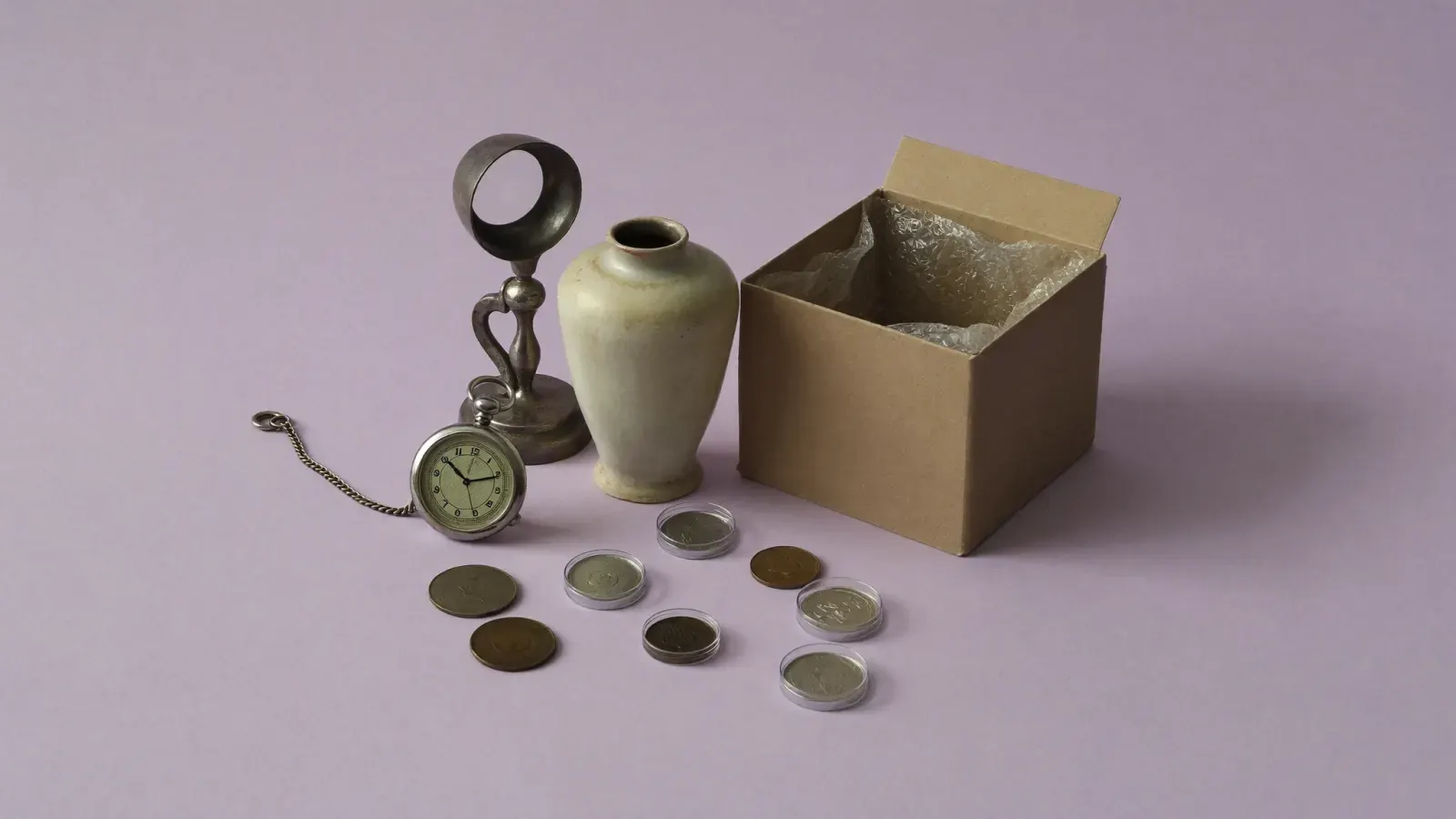
Catawiki is a European auction site where each lot passes a specialist before it goes live. Coins, watches, jewellery, comics, ceramics and art do well; everyday second-hand goods get turned down.
You do most of the work before the auction starts: photos, a written description, a reserve and a shipping price. After that, the job is a well packed, tracked parcel.
Kit for this
The products this guide uses, with typical UK prices.
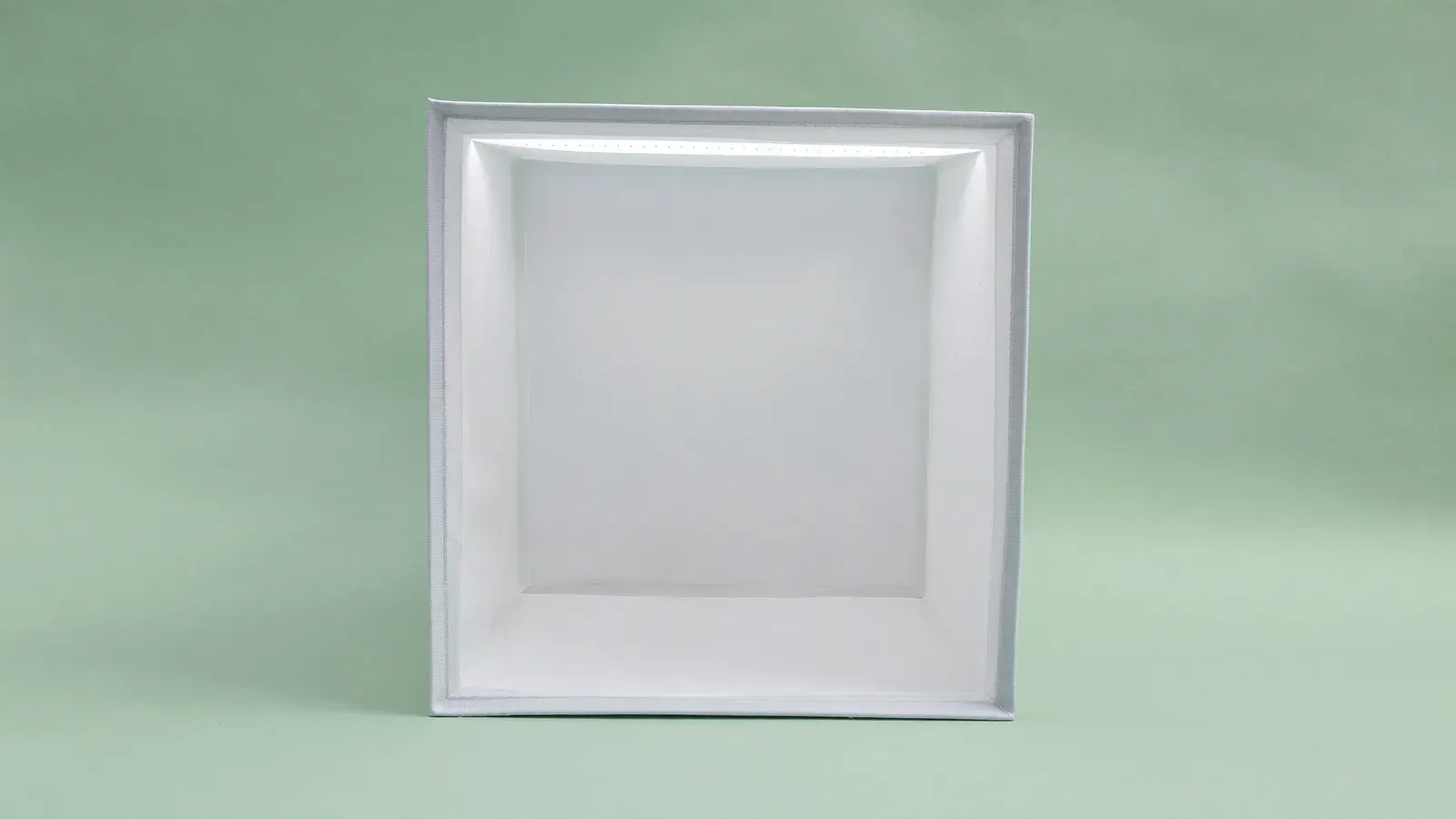
40 cm photo light box
Consistent white-background photos make your listings look like a shop. The box folds flat when you need the desk back.
Typical price£25 to £40
See on Amazon
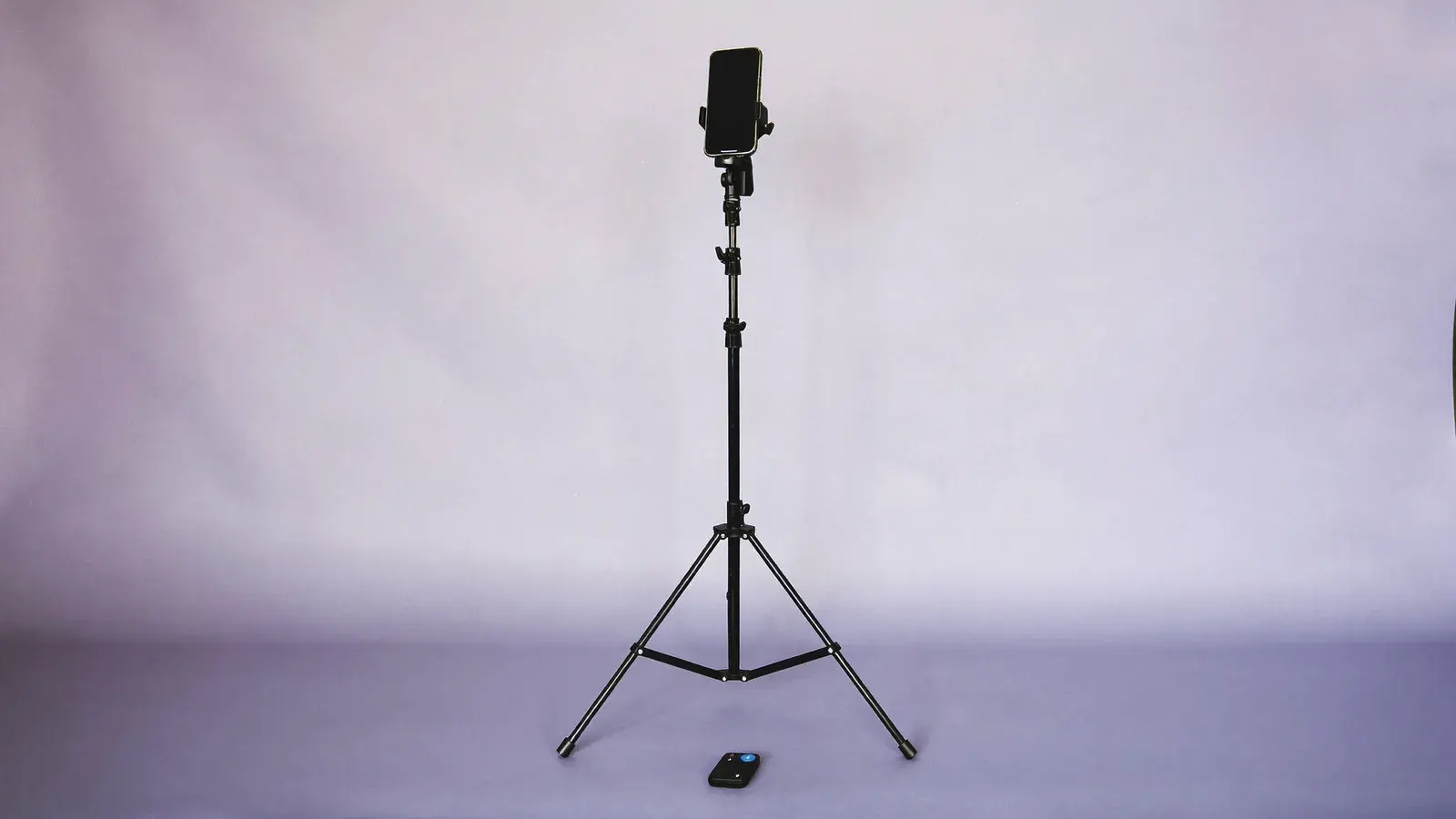
150 cm phone tripod with remote
Clothing and trainer shows need a full-body or full-shoe shot from in front. A tripod gets the phone to eye height and the remote starts recording from across the room.
Typical price£18 to £30
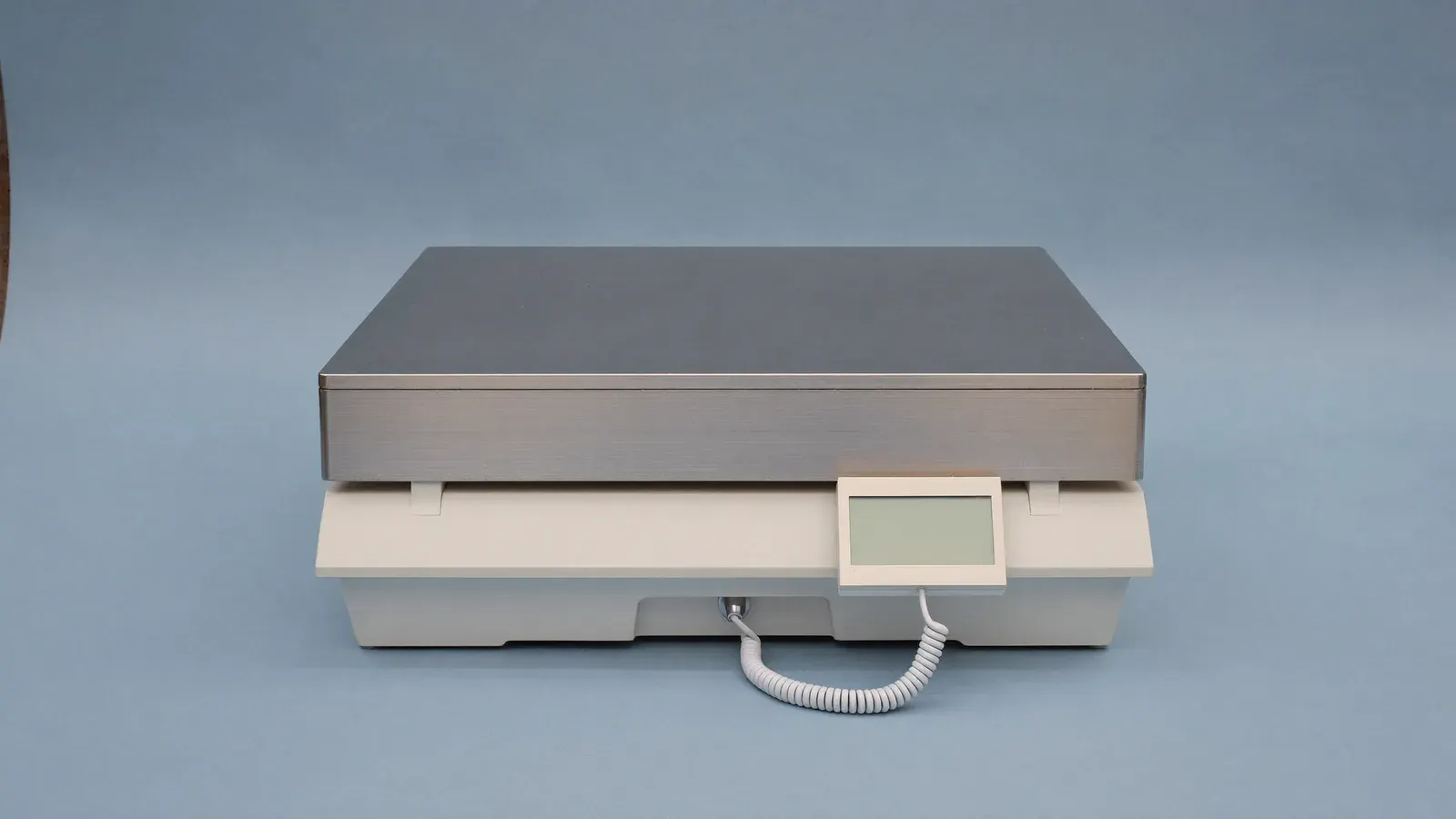
See on Amazon30 kg digital postal scale
Covers the parcels most home sellers ship, up to 30 kg. Choose it when the 50 kg scale is out of stock.
Typical price£12 to £20
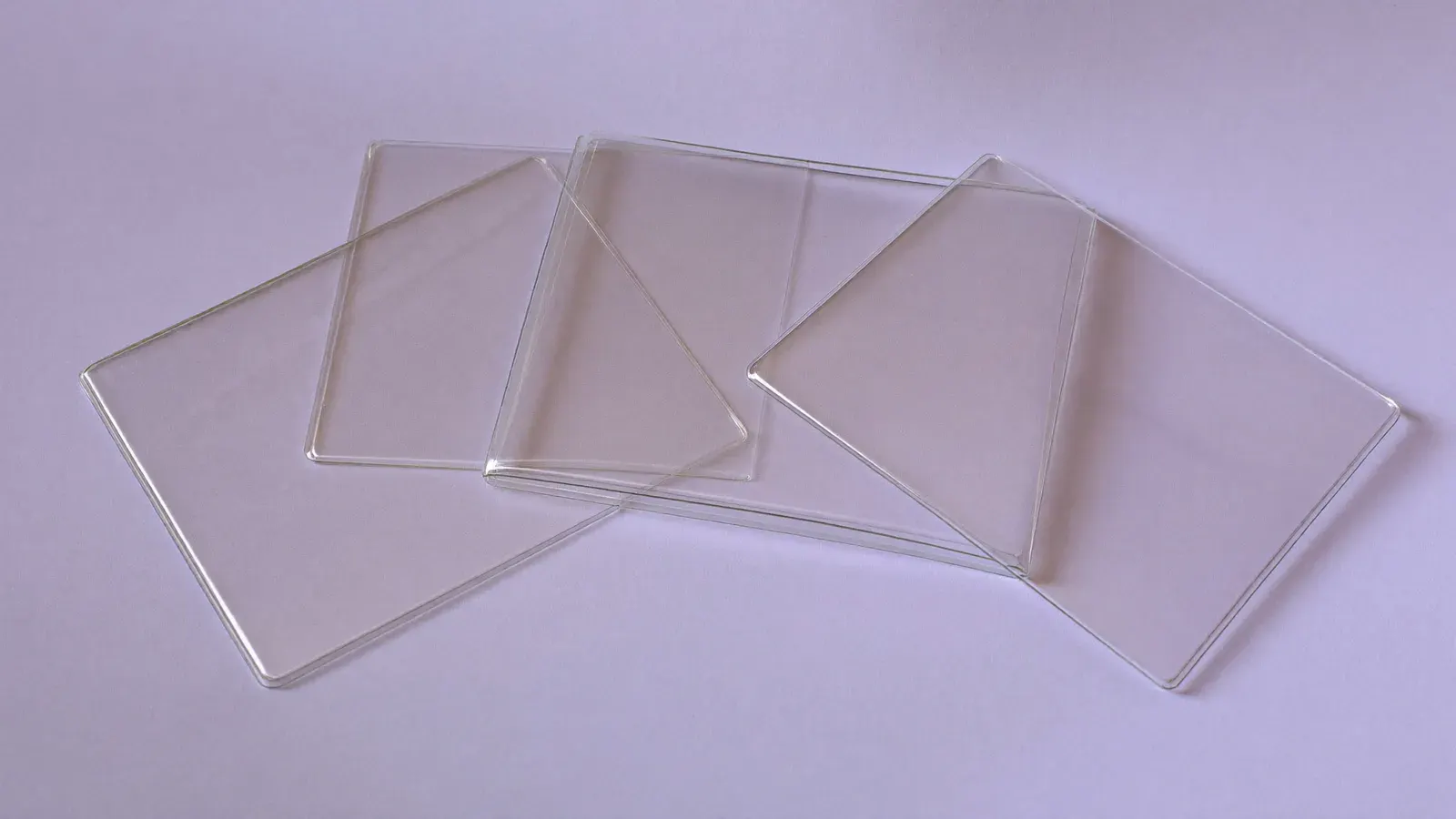
See on AmazonBubble wrap, 500 mm x 100 m
A long roll costs several times less per metre than the small packs sold in shops.
Typical price£10 to £15
See on AmazonThe guide
Each step in the order you'll need it.
From submission to sold
You submit a lot with photos, a description, a reserve and a shipping price. A specialist in that category reads it and either accepts it, asks for changes or declines it.
An accepted lot joins a themed weekly auction. Bidding closes on a countdown, the buyer pays Catawiki, and you get a message telling you to ship.
Picking objects the experts take
Experts look for objects collectors search for: a named maker, a date, a hallmark, a first issue. A signed 1970s ceramic vase has a chance; a plain modern mug has none.
Cheap items rarely make it through review. Keep those for eBay or Vinted and send Catawiki your stronger pieces.
Photos and a description the expert can trust
The specialist never holds the object, so your photos do the inspecting. Shoot the front, back, base, every mark and every chip, on a plain background in even light.
Write the description like a dealer's ticket: maker, period, size, material, condition, flaws. Leave out guesses about age or origin you can't back up.
Reserve and shipping price
Search Catawiki's closed auctions for the same object before you choose a reserve. The expert can suggest a different figure, and a realistic one gets accepted faster.
Pack the object, weigh it and price the courier before you set shipping. You can't change it once bidding opens, and the buyer pays what you entered.
Kit for this step
Packing for a buyer abroad
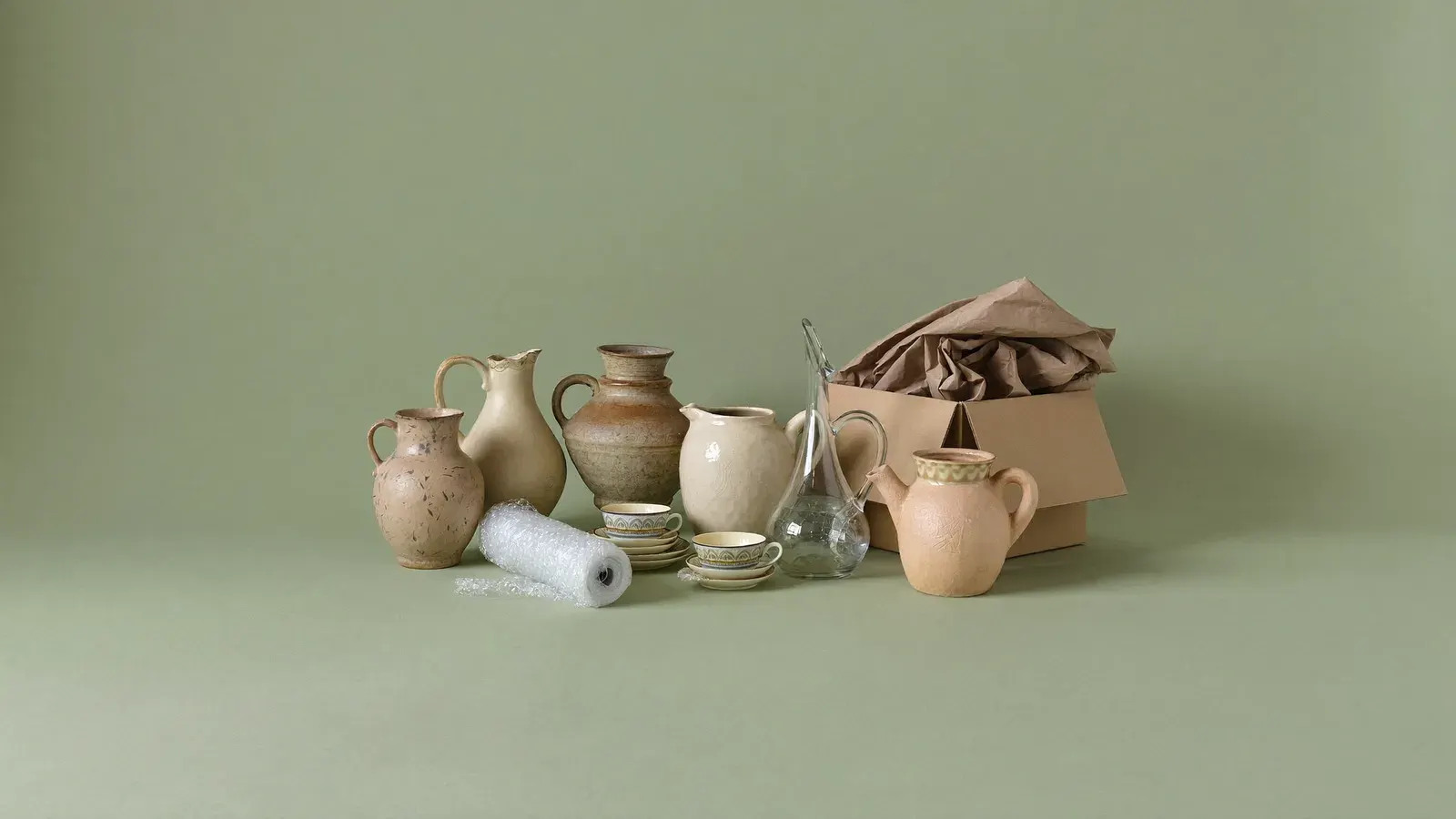
Your buyer is often in another country, so the parcel will be handled many times. Wrap the object in bubble wrap, then box it in a double-wall carton with filler on all sides.
Tape every seam and put a slip with the lot number inside. Photograph the packed box with the label on it before it leaves.
Getting paid
Catawiki releases your money after tracking shows delivery and the buyer's short complaint window has passed. Untracked parcels hold up payment, so use a tracked service every time.
Catawiki deducts its seller commission from the hammer price. Check the current rate in Catawiki's help centre and factor it into your reserve.
Checklist
Run through it before each one goes out.
- 1Check closed auctions for the same object before you submit
- 2Photograph every mark, signature and flaw in even light
- 3Weigh the packed object before you set the shipping price
- 4Pack in a double-wall box with filler on every side
- 5Ship tracked, insured for anything valuable, within the deadline
Setups
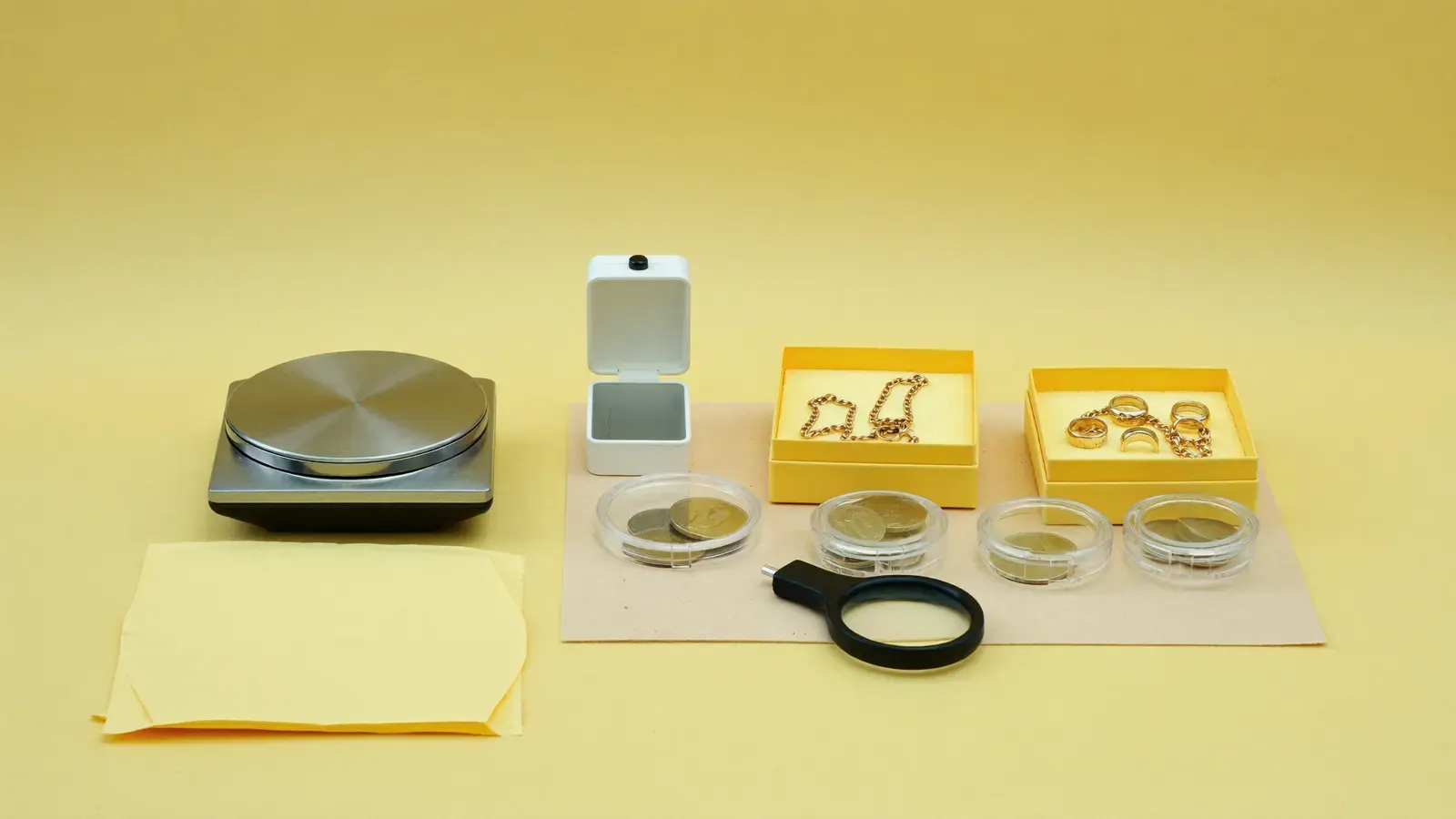
Complete kits for one kind of seller, costed and laid out.





Questions
Straight answers to what sellers ask about this.
Why was my lot declined?
The specialist decided it wouldn't find enough bidders, the photos didn't show enough, or the reserve was too high. Read their note, fix what they ask, or sell it elsewhere.
How long does a Catawiki auction run?
Most run for about a week and close on a countdown. Your lot goes into the next themed auction that fits it after acceptance.
What does Catawiki charge sellers?
Submitting is free. When a lot sells, Catawiki keeps a commission from the hammer price. The rate is in Catawiki's seller terms, so check it there before you set a reserve.
Can I sell from the UK to EU buyers?
Yes, but a parcel to the EU needs a customs declaration, and the buyer may pay import charges. Describe the object and its value accurately on the form.
What if my lot doesn't reach its reserve?
It stays unsold and you pay nothing. Lower the reserve towards recent results and submit again, or try another site.
Do I need a business account?
Not to sell things from your own collection. Buying objects to resell makes you a trader, and that means a business seller account and registering with HMRC.