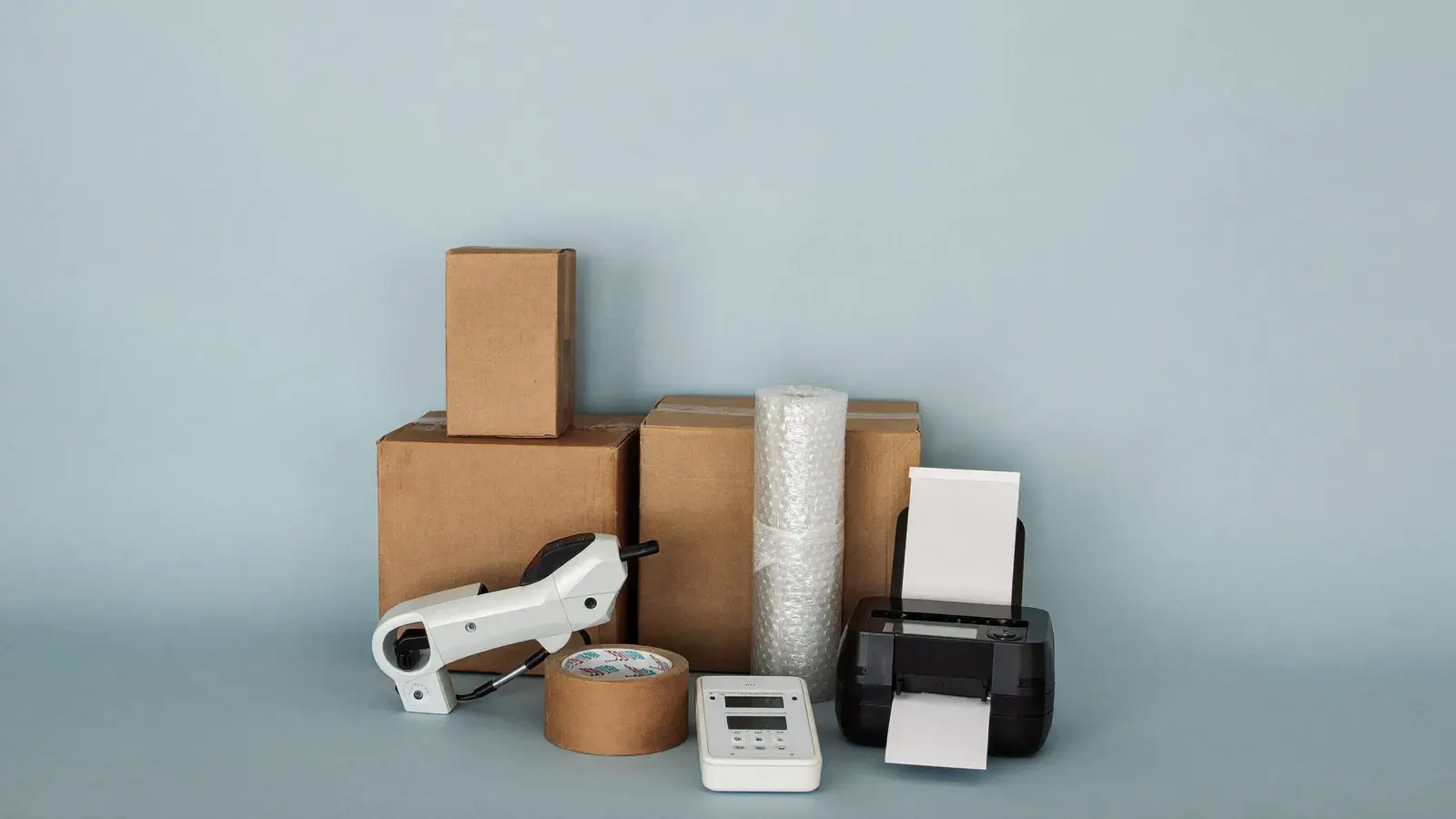





Camera, lights and packing kit for running your first Whatnot card shows from a desk and shipping the orders next morning, for about £300.
Built forYou sell Pokémon or sports cards on Whatnot, run one or two shows a week and ship up to 40 orders from a corner of a room.

Kit total
£218 to £363
Running cost
£39 to £64 a month
Consumables at 25 orders a week
- Orders a week
- 10–40
- Space
- Corner of a room
- Budget
- £300
Why this setup
You sell Pokémon or sports cards on Whatnot, run one or two shows a week and ship up to 40 orders from a corner of a room.
You spend most of this budget on the camera shot. Viewers want to see the card clearly, with no glare, while you talk them through it.
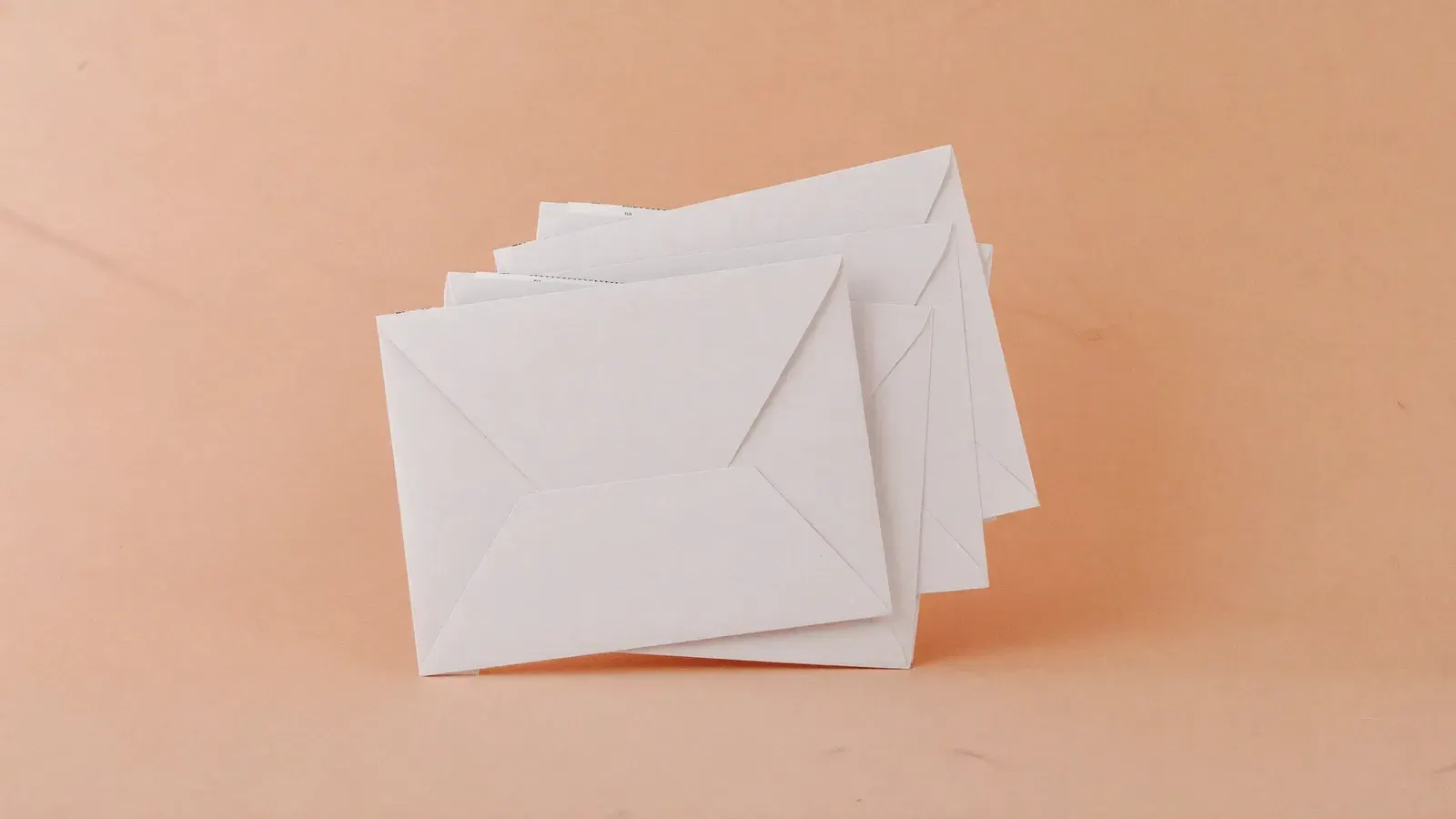
The rest buys sleeves, toploaders and rigid mailers. A sleeved, top-loaded card in a rigid mailer usually ships as a Large Letter, which costs a fraction of a parcel.
The kit
Every item, why it’s here and what it typically costs in the UK.
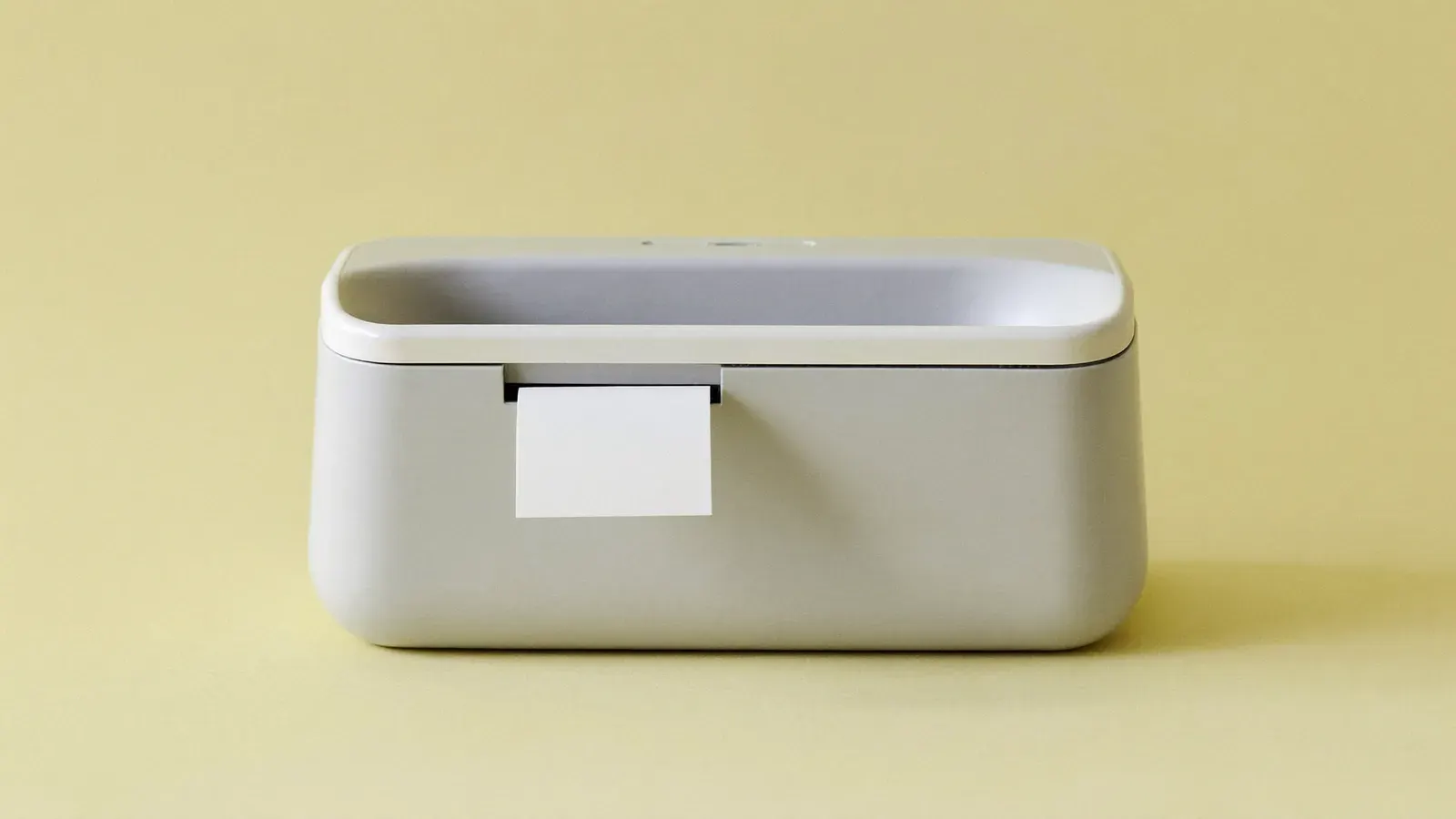
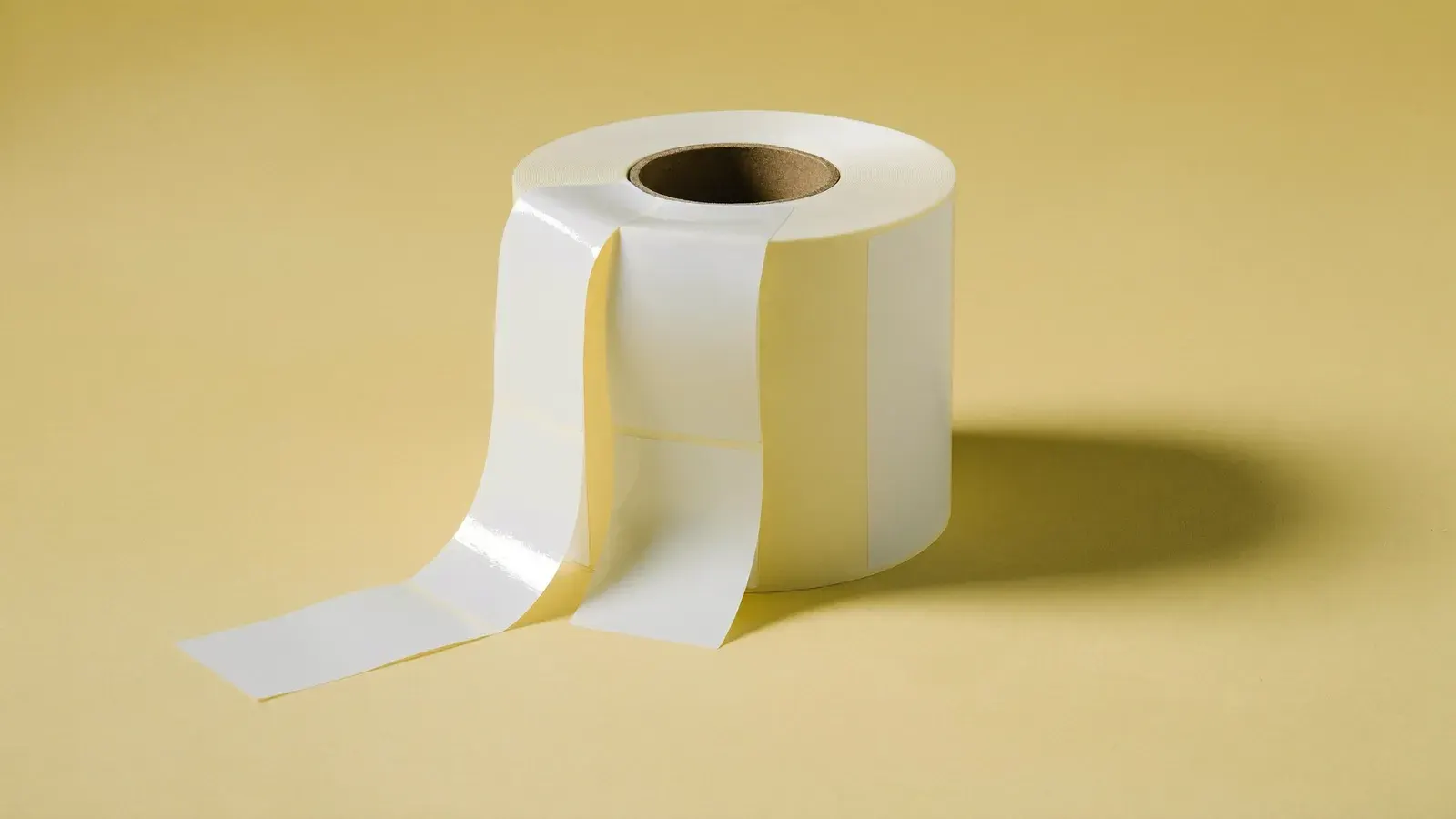
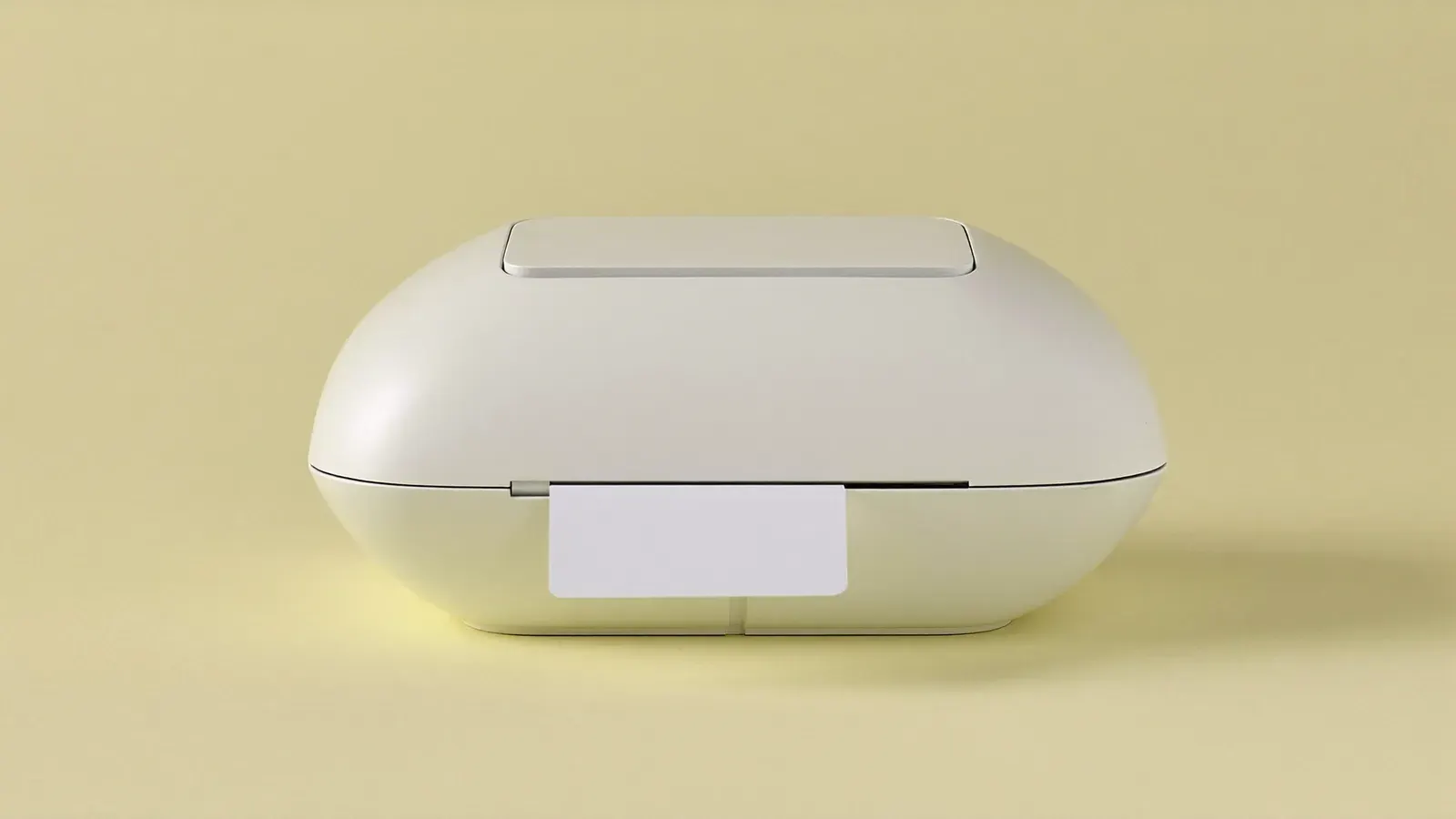
Phomemo thermal label printer
Costs less than most thermal printers and fits on a shelf. It prints the same 100 x 150 mm labels, so your label stock carries over if you upgrade later.
Typical price£70 to £110
See on Amazon
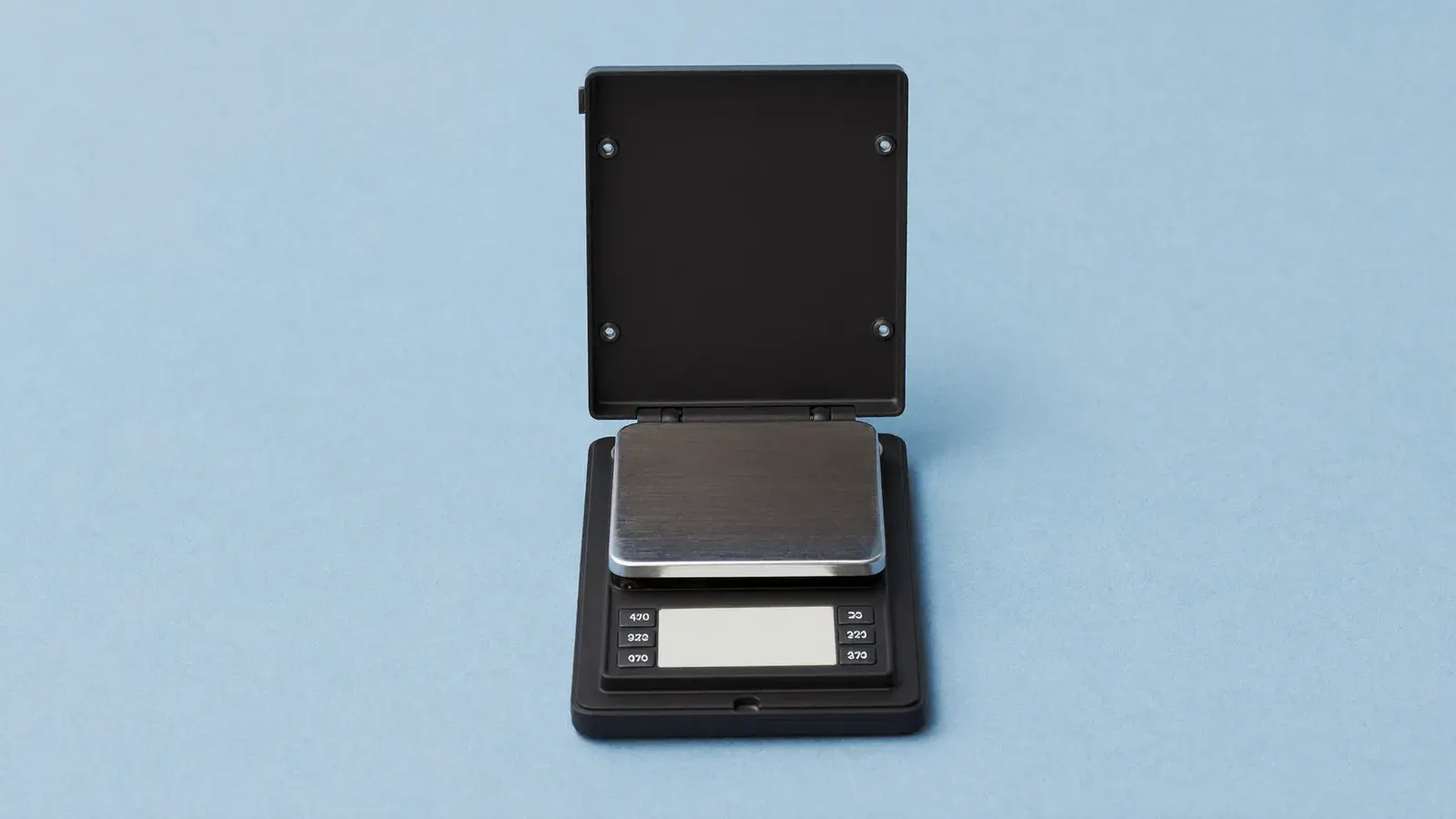
500 g precision pocket scale
Card orders often sit within a few grams of a Royal Mail weight limit. A precise small scale tells you whether a mailer goes as a Large Letter or a parcel.
Typical price£8 to £14
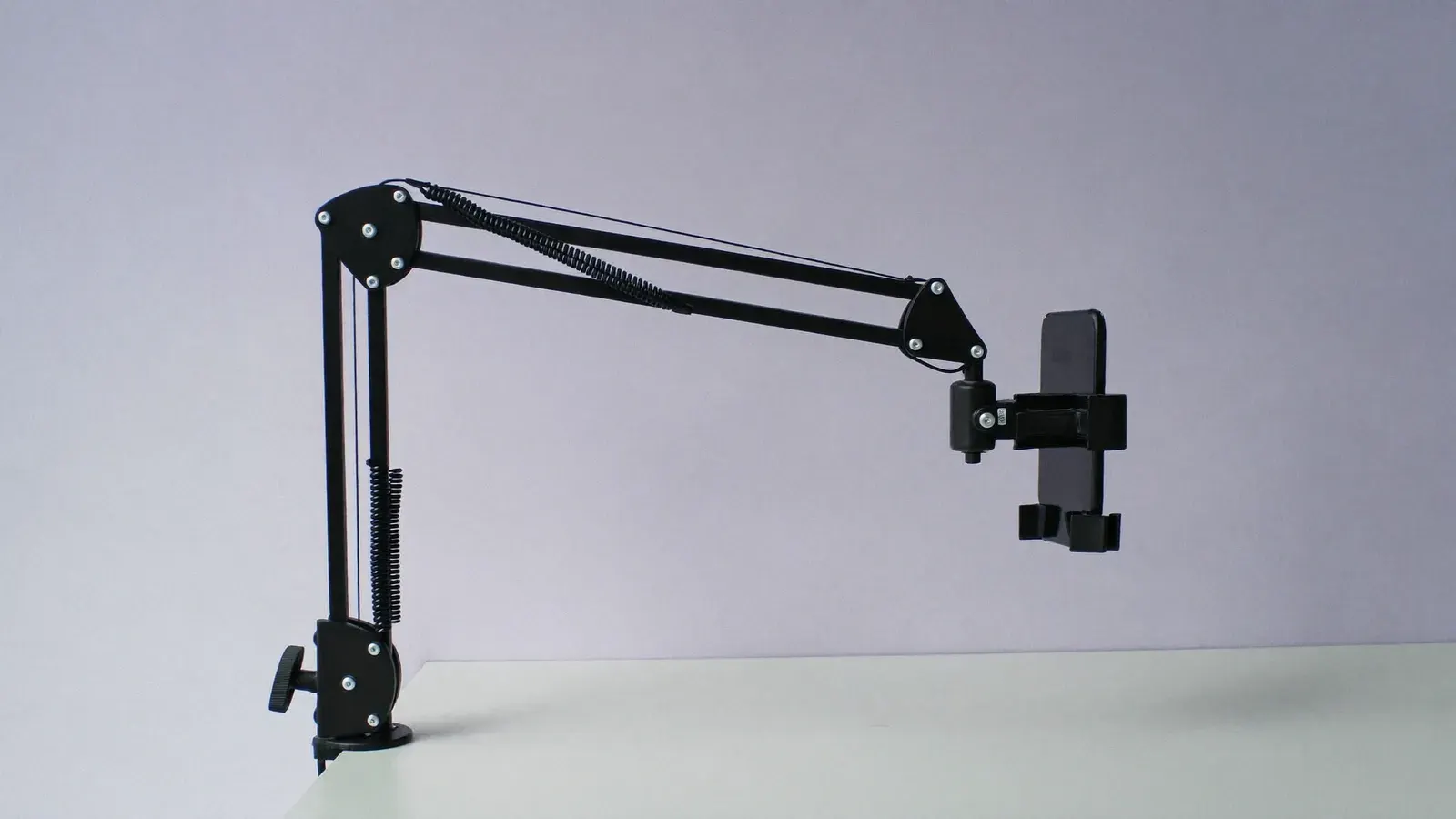
See on AmazonOverhead phone arm
Card and small-item shows sell on the shot of your hands. An overhead arm holds the phone steady and out of your way while you open packs.
Typical price£20 to £35
See on AmazonTwo LED video panels with stands
Holo cards, foiled boxes and glossy packaging reflect a ring light straight back at the camera. With two panels angled in from each side, the glare falls outside the frame.
Typical price£45 to £75
See on AmazonClip-on wireless phone mic
Viewers leave a show when they can't hear you. A clip-on mic keeps your voice level while you reach for stock.
Typical price£25 to £45
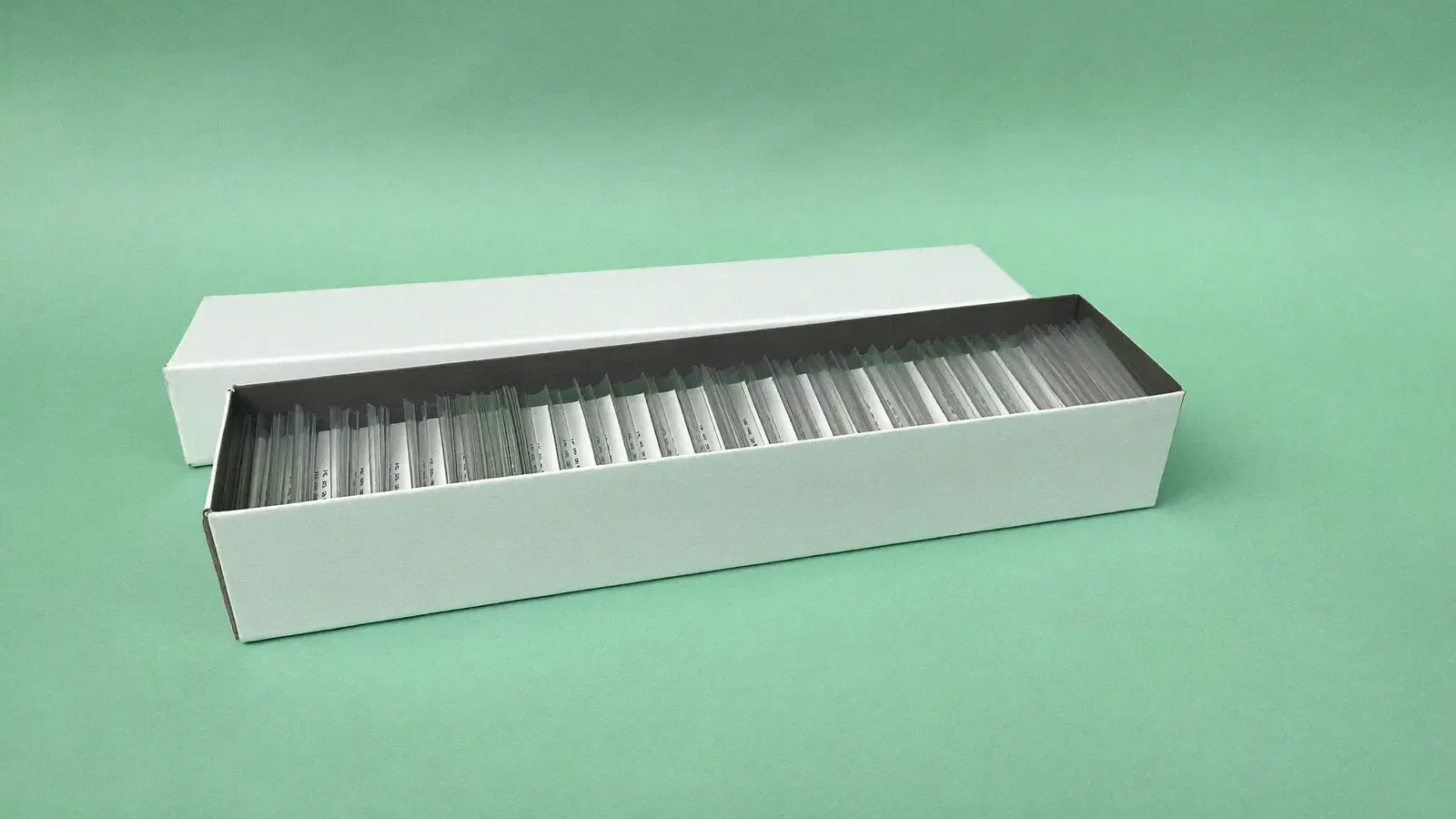
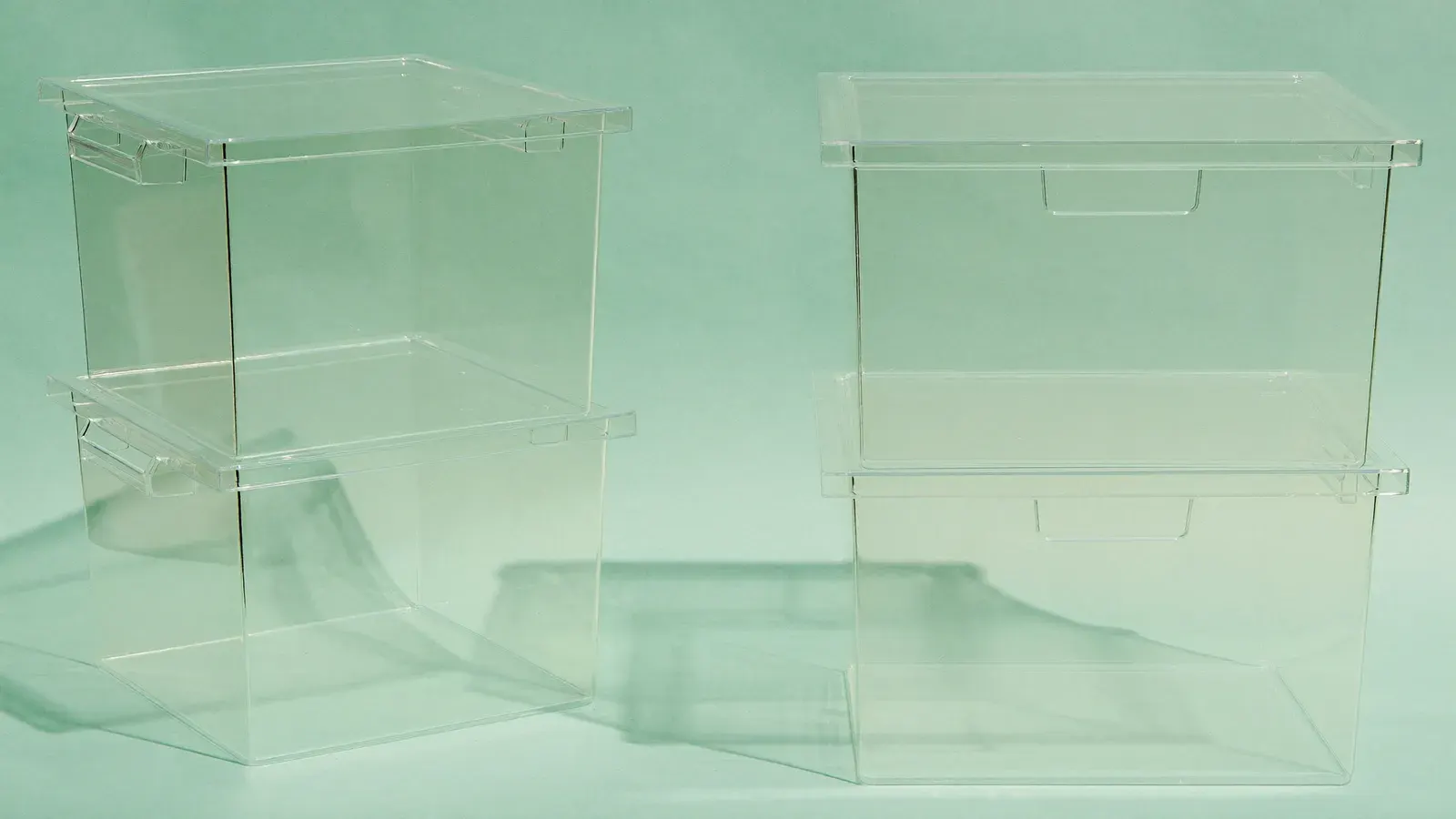
See on Amazon3,200-count card storage boxes
Sort singles by set and number with dividers, and you can pull a sold card without flicking through binders.
Typical price£10 to £18
See on Amazon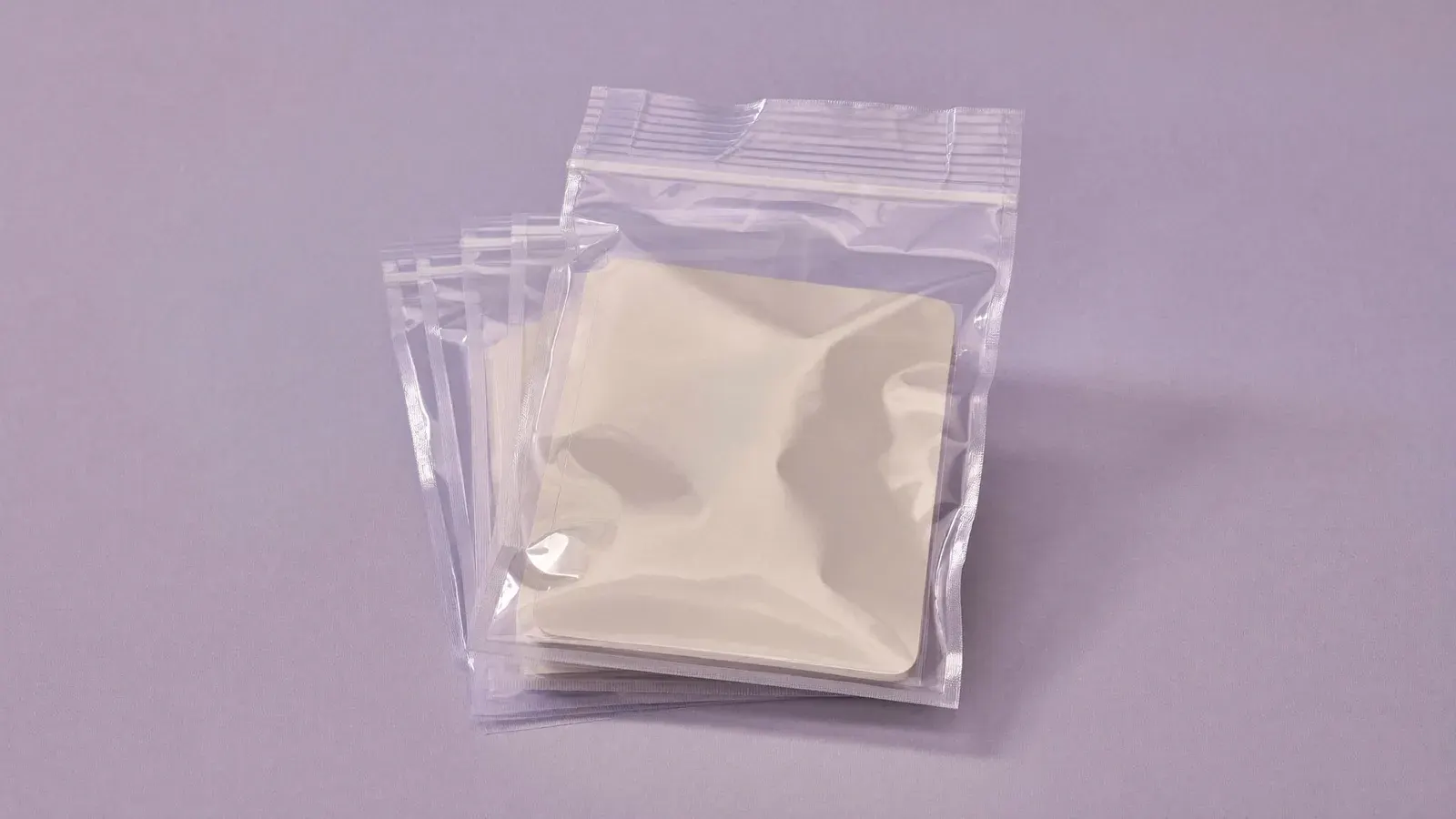
Buy this kit
Copy the full list to take shopping, or print it.
Postage per order
What most orders like these go by, at today’s published prices. Prices checked 6 October 2026.
 Royal Mail 2nd Class Large LetterUsual
£1.55 to £2.70
Not trackedUp to 750 gSingle cards in a rigid mailer, jewellery and other flat items up to 750 g that fit through a letterbox.
- Royal Mail Tracked 48 Large Letter
£2.90
TrackedUp to 1 kgHigher-value cards and flat items up to 1 kg that need tracking and a delivery photo.
About £168 to £293 a month in postage at 25 orders a week On most marketplaces the buyer pays postage; this is the cost when you pay it.
How to lay it out
Where everything goes, so each order moves one way through the room.
- 1
Camera over the mat
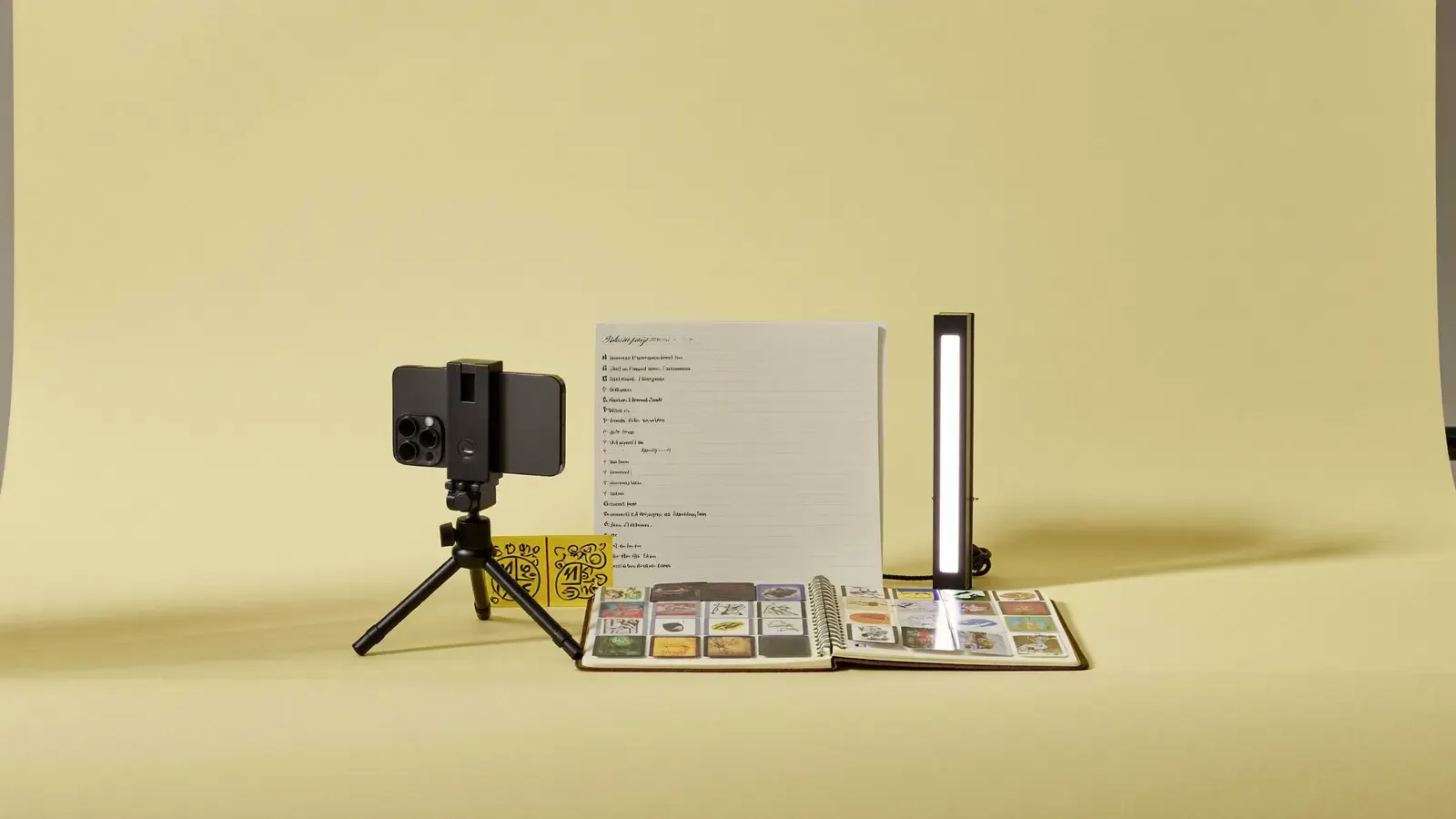
Clamp the overhead arm to the back of the desk so the phone looks straight down at a dark playmat. Keep the frame tight: the card fills the shot, your hands come in from the bottom.
- 2
Lights from both sides
Put one LED panel at each front corner, angled in at about 45 degrees. The angle stops holo cards flaring and keeps the colour consistent.
- 3
Packing tray to your right
Keep sleeves, toploaders and team bags in a tray within reach. Pack each sold card the moment it sells during the show, label it with the buyer’s name, and you dispatch next morning in minutes.
- 4
Stock behind you
Long card boxes sorted by set and number go on a shelf behind the desk. Pull the next lot before you go live so you stay in frame.
The guide
Each step in the order you'll need it.
Before the show goes live
Lay out the run sheet an hour ahead: every card you plan to sell, in order, already in a penny sleeve and stacked in the storage box. Start with cards loose on the desk and you leave long gaps while you hunt.
Switch on the LED panels and check the overhead arm frames the mat with no glare on a holo. Clip the mic on, open the show on a second device and listen back for a few seconds before you go live.
During the show
Show each card face up under the phone, tilt it once so viewers see the surface, then call out set and condition. Slow down for anything with edge wear and say so on camera.
When a card sells, put it into a toploader and drop it in a pile with a sticky note carrying the buyer's username. Ten buyers in one show means ten small piles, and no heap of toploaders to sort at midnight.
Breaks and pack openings move faster than singles. If you run them, have spare sleeves within reach so hits go from pack to sleeve in seconds.
Kit for this step
Packing the morning after
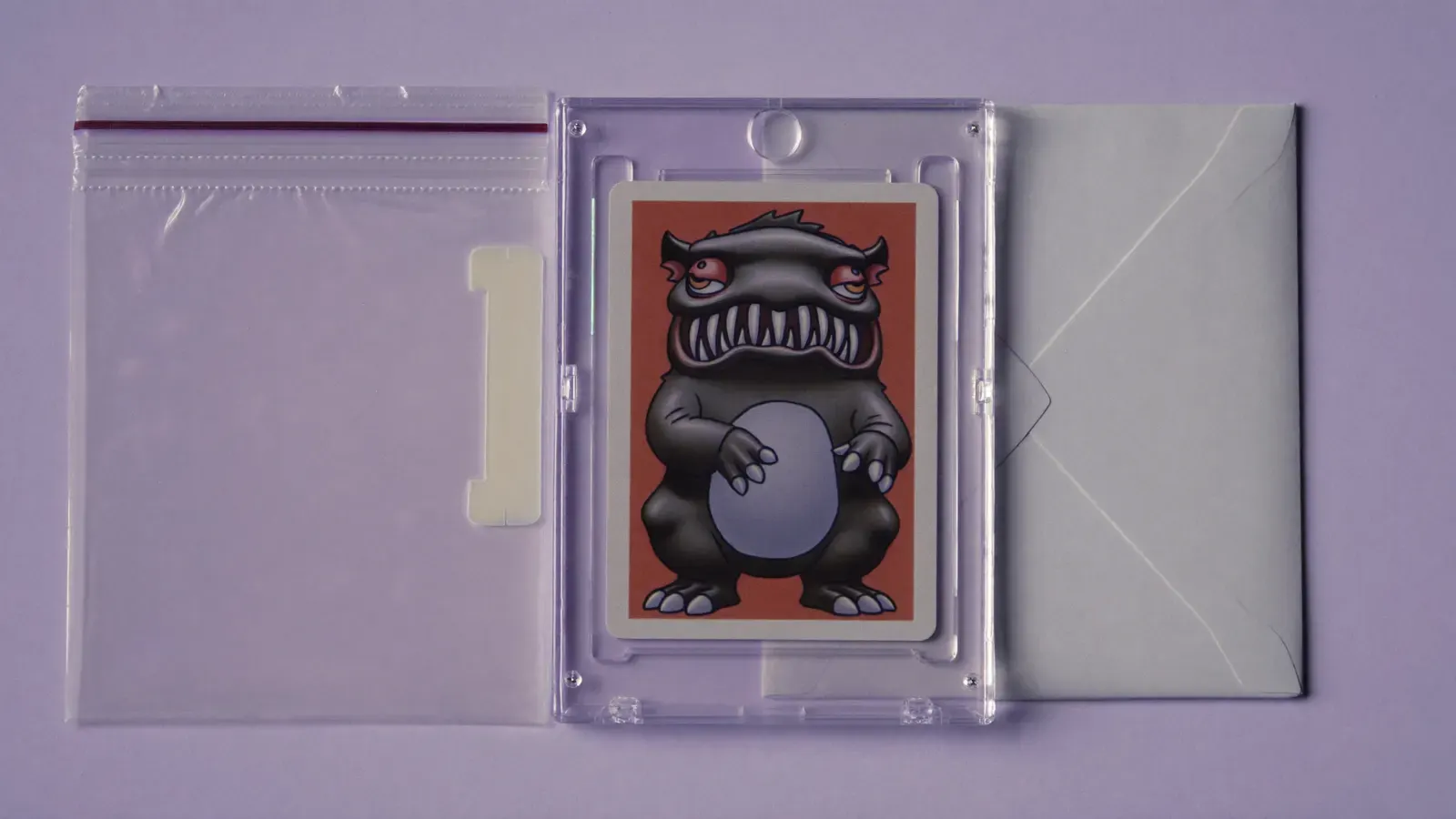
Whatnot groups orders per buyer, so print the labels and match each one to its sticky-note pile. A single card goes sleeve, toploader, team bag, then into a rigid mailer.
Weigh a finished mailer on the pocket scale the first few times so you know what your standard pack weighs. Royal Mail's Large Letter limits on size, thickness and weight decide whether a mailer qualifies, so check the current guide before stacking several toploaders in one.
Time your first batch, so you know how long a morning’s packing takes. Pack while you still remember the show, including which buyer asked for a combined parcel.
Stock boxes and finding a card
Sort the storage boxes by set, then number. Put a divider card at the front of each set so you can pull a specific card in seconds when a viewer asks for it.
Keep a simple sheet of what you own with a box and slot reference. Update the sheet each time stock changes, so you can find any card during a live show.
Kit for this step
Sleeves, toploaders and mailers
Penny sleeves and toploaders go fastest. Reorder when you open your last pack.
Rigid mailers and label rolls are the next to run short. Keep a full spare roll by the printer, since running out halfway through a post-show batch holds up the whole evening’s dispatch.
Moving past 40 orders
As shows get busier, keep the same overhead camera and lighting and give packing more room. A second small table for packing keeps the filming desk clear between shows.
Past about 40 orders a week, a thermal label printer and fanfold labels cost less per label and print faster. You can bring in a helper to sort and bag while you host.


Common mistakes
Each one costs you money or reviews, and each has a fix.
- Going live with no run sheet, then leaving viewers watching an empty mat while you look for the next card.
- Putting a sold card back into the main box during a show instead of a buyer pile, and losing track of which card went to whom.
- Sending a card in a toploader without a team bag, so the card slides out of the toploader in transit.
- Pointing the LED panels straight down at a holo card and filming glare the buyer cannot see past.
- Packing several toploaders in one Large Letter without checking thickness against Royal Mail's current size guide.



When to upgrade
At about 40 orders a week, move to a thermal label printer and fanfold labels: faster printing and cheaper labels. At 60, put stock in clear tubs on shelving. At 80, give packing its own table so the show desk stays set up.
- 40+ MUNBYN thermal label printer
- 60+ Clear stackable 32 L tubs
- 80+ 180 cm folding table
Questions
Is £300 enough to start selling cards on Whatnot?
Yes, for the setup. This kit covers camera, light, sound, protection and postage. Stock is separate: budget for it on its own.
Can I use my phone’s own light instead of the panels?
The phone light flattens the card and flares on holos. Two side panels change how your cards look on screen more than the phone light can.
Do I need the mic if I’m sitting close to the phone?
With an overhead arm the phone points down, away from your mouth. A clip-on mic keeps your voice clear while you look down at the cards.
How long should my first Whatnot show be?
Start with an hour. It gives viewers time to arrive and keeps the packing afterwards to one session.
Should I use a sticky note or a tray for each buyer?
Sticky notes on small piles work while buyers are few. When the piles get hard to track, switch to small trays labelled with usernames.
How do I post a bundle of ten cards?
Put them in sleeves, stack them in a single card saver or a small box with padding, and weigh it. A bundle often goes over Large Letter thickness, so send it as a small parcel if needed.
Guides
Step-by-step help for the jobs that come next.

More setups
Updated 5 October 2026