

The kit for comics
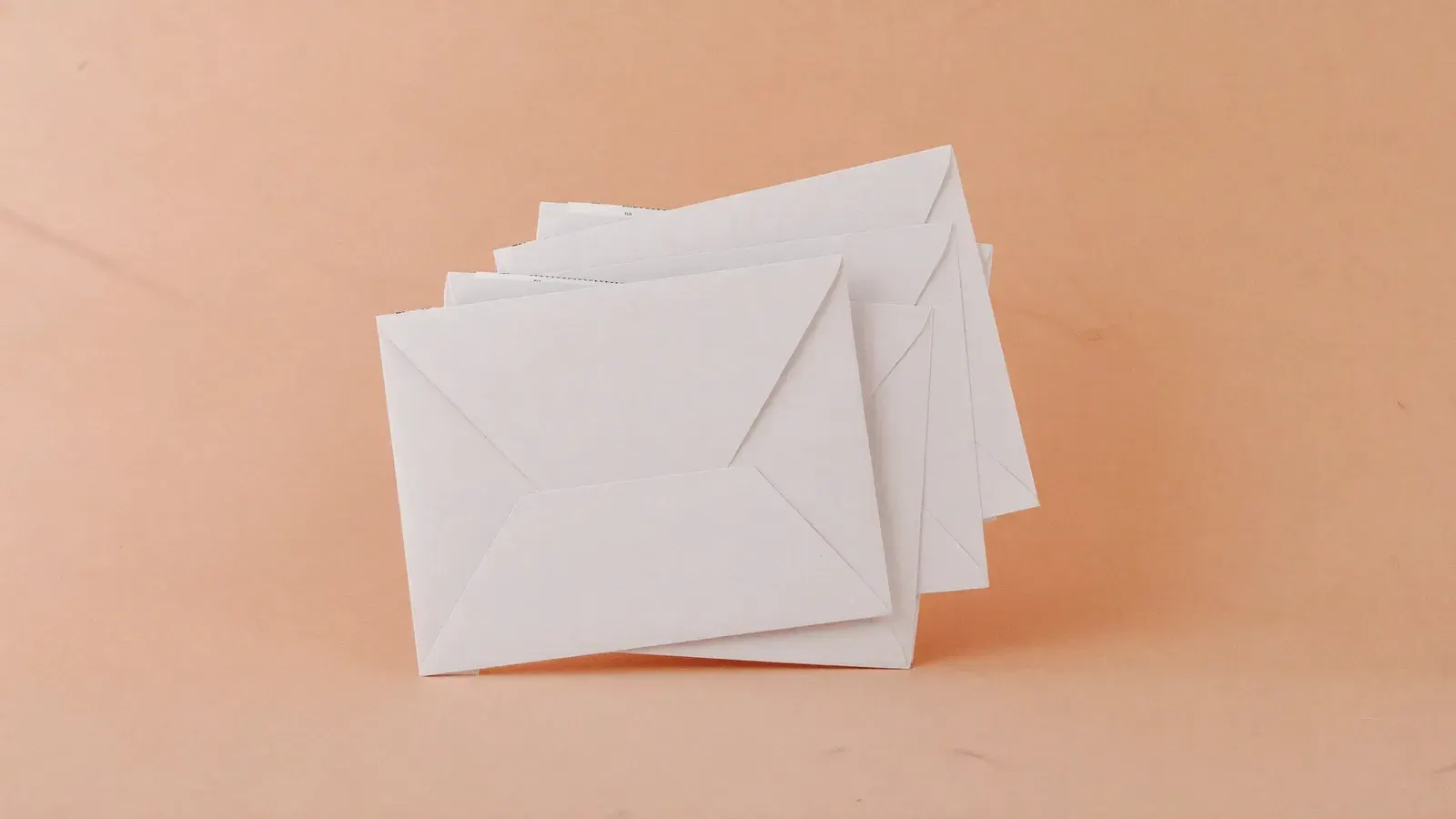
Bags and boards for every book, a long box for stock, and board-backed mailers or small boxes for posting.
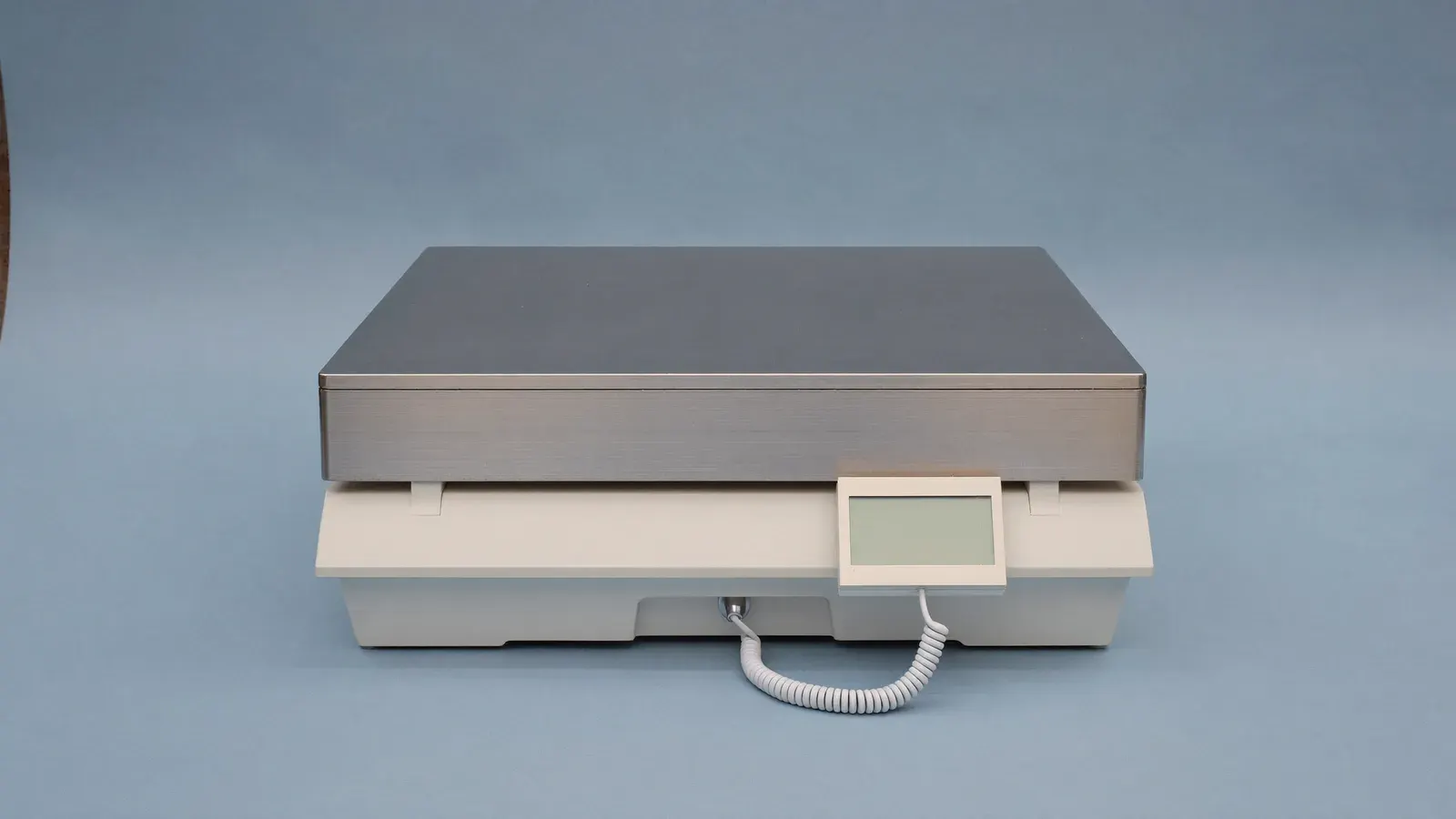
Buy a parcel scale once you post bundles and runs, because they get heavy quickly.
Single issues, graphic novels and manga volumes. Bagged, boarded and boxed, so spines and corners arrive sharp.
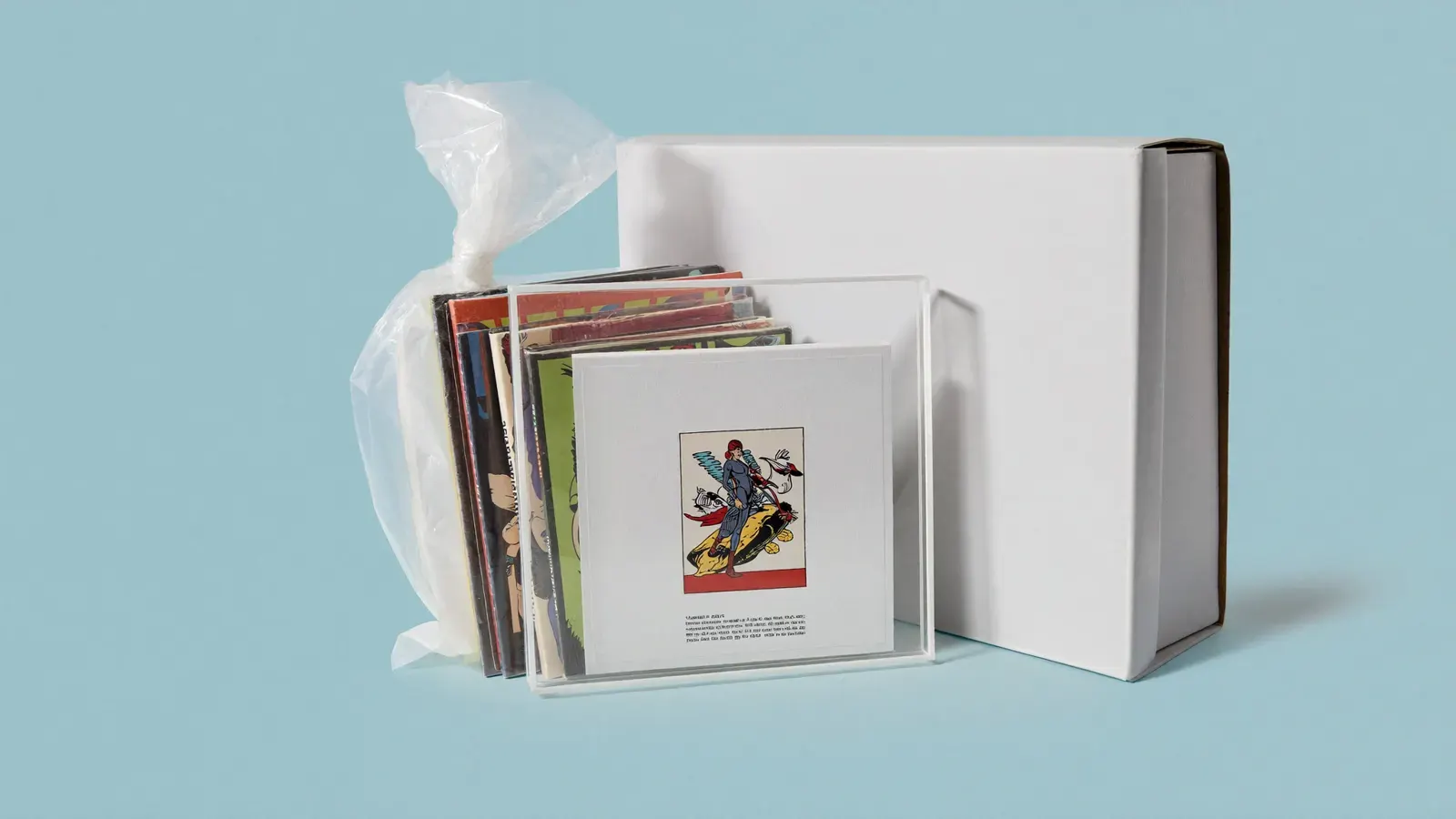
The kit our builder picks for a typical Comics and manga seller. Change the answers to fit yours.
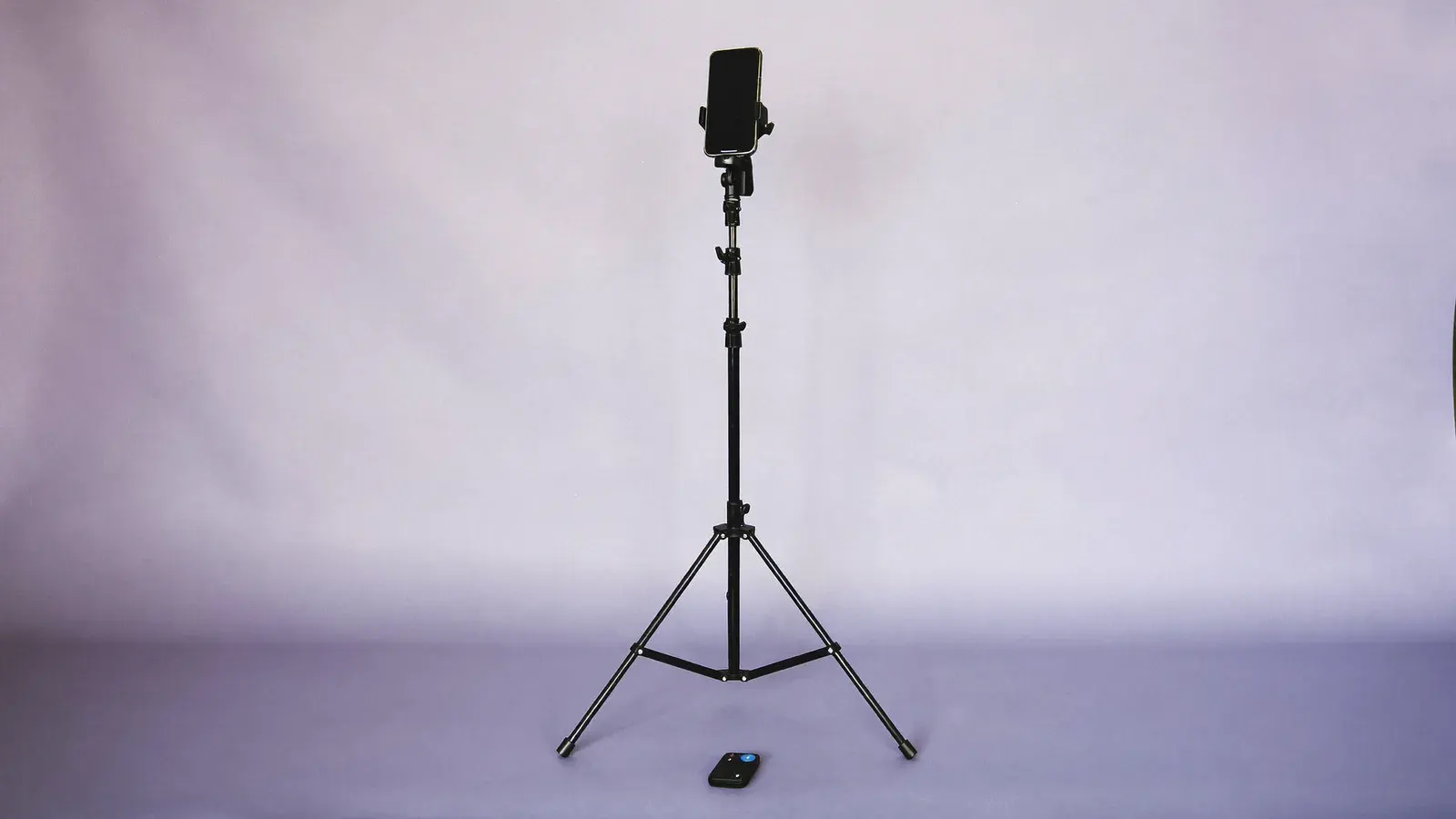
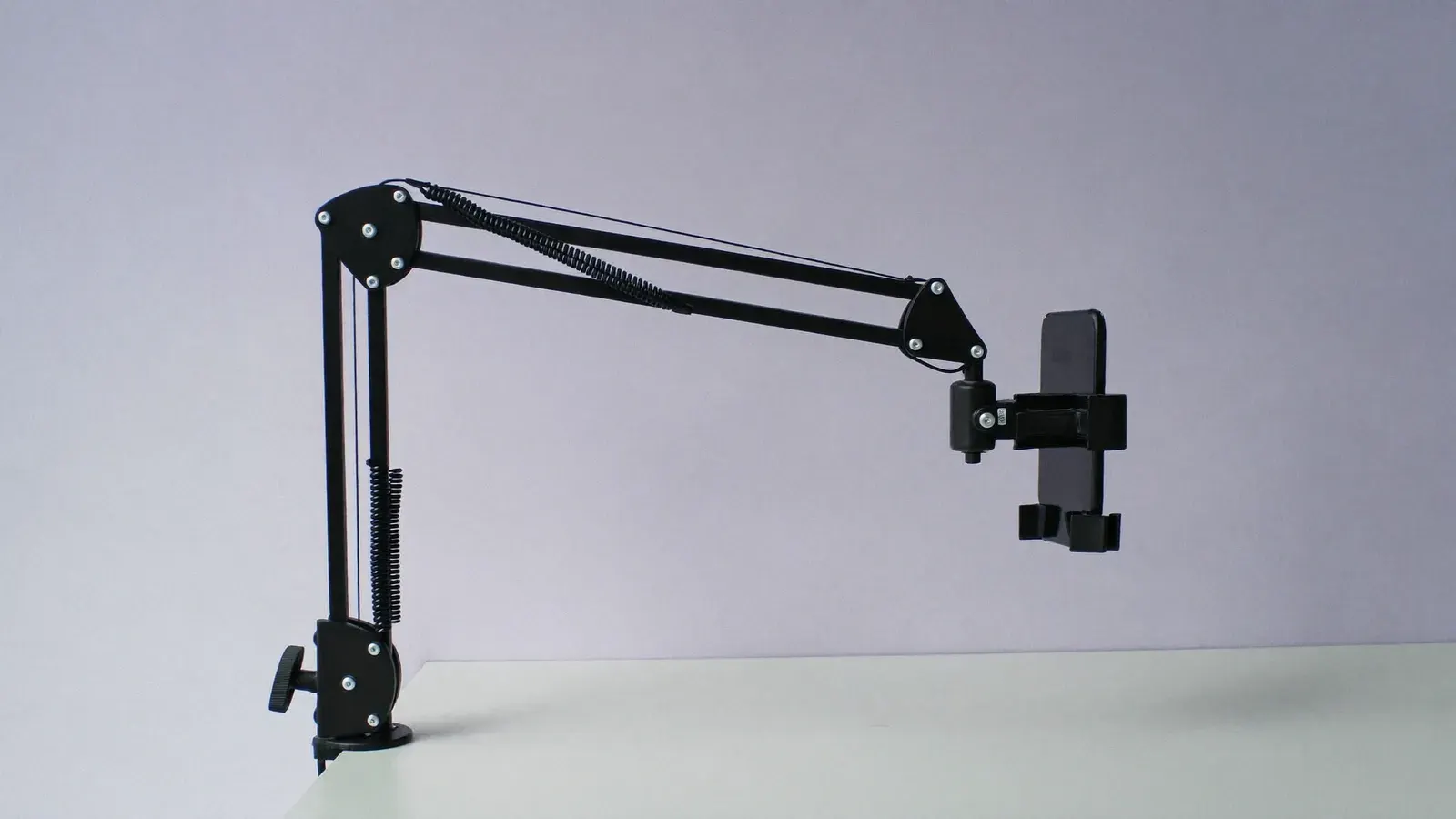
Phone mount
A tall stand for showing clothing or trainers face on.

Lighting
A smaller app-controlled panel for a key or fill light.

Microphone
Keeps your voice clear when you turn away from the phone.
Each step in the order you'll need it.
Bags and boards for every book, a long box for stock, and board-backed mailers or small boxes for posting.
Buy a parcel scale once you post bundles and runs, because they get heavy quickly.
A bagged and boarded single issue goes between two pieces of stiff card, then into a board-backed mailer or a snug box. Stop the book bending: buyers complain about bends and creased spines.
Runs and bundles go in a box with the books standing tight, filler in any gaps, and card on the top and bottom. Loose space lets books slide and dings the corners.
Kit for this step
Keep comics upright in long boxes, filed by title and issue number. Use divider cards to find a book in seconds.
Store boxes off the floor in a dry room. Damp spoils paper, and garages and lofts can run damp.
Kit for this step
Shoot the front, the back and the spine, plus close-ups of any creases, tears or stains. Take photos out of the bag if the plastic is causing glare.
Describe condition plainly, in words a buyer can check. If you aren’t confident giving a grade, describe the flaws instead of guessing a number.
In a live show, sell a run or a themed lot you can talk through. An overhead phone arm lets you show covers flat on the desk without glare.
Keep each book in its bag on camera, and handle them by the edges. After the show, pack in the order you sold so nothing gets mixed up.
Kit for this step
Buy bags, boards and mailers in bulk, and keep a set of each sitting by the packing area. A simple stock list with box and divider references makes picking fast.
Group bundles into themed lots. They sell well, clear slower stock and cost less to post per book.
Kit for this step
Each one costs you money or reviews, and each has a fix.
Complete kits for one kind of seller, costed and laid out.
What most orders like these go by, at today’s published prices. Prices checked 6 October 2026.
 Royal Mail Tracked 48 Large LetterUsual
£2.90
Higher-value cards and flat items up to 1 kg that need tracking and a delivery photo.
Royal Mail Tracked 48 Small Parcel£3.75
Clothing and small boxed items up to 2 kg, with tracking for less than untracked 2nd Class.
Royal Mail 2nd Class Small Parcel£4.40
Folded clothes, books and boxed small items up to 2 kg, posted from a postbox or Post Office.
Envelopes with no stiffener. Sorting machines bend the comic inside.
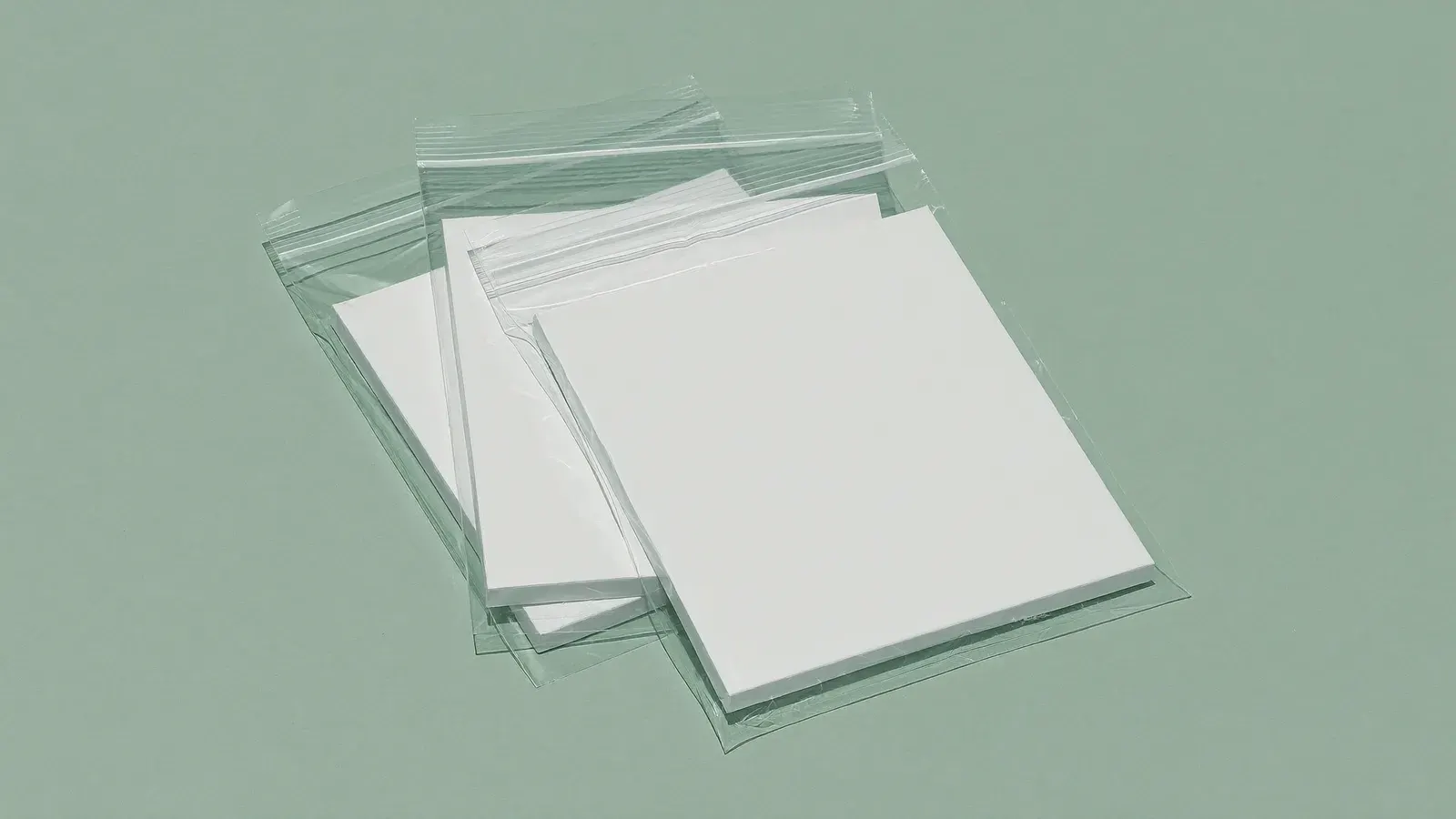
A bag and a stiff board for each single issue.

Light boxes for boxed toys and beauty sets.
Comics sell on condition, mostly corners and spines. Every issue goes in a bag with a board before it goes anywhere near a show.
Long boxes keep issues upright and sorted by title and number. Ship single issues flat between card stiffeners; runs and graphic novels go in a small box.
Yes, for anything you sell individually. It costs pennies an issue and buyers on Whatnot and eBay expect it.
Bag and board it, add a second stiff board, and send it in a padded envelope. Check the thickness: thicker parcels move up a postage band.
Only for valuable keys, where a grade adds more than it costs. For most books, honest photos and a clear condition description do the job.
Bag and board each book, stand them tight in a box with card top and bottom, and fill any gaps. Weigh the parcel before you buy postage.
A long box holds comics upright at the right width and is cheap. Tubs work if you add dividers and don’t let books slump.
Old bags yellow and some older boards aren’t acid-free. Swap them for fresh ones before you list a book you care about.