








Selling online is one of the side hustles you can start from home in the UK this week: which platform to pick, what it costs to start, and the tax line.
Updated 9 October 2026

Before you start
Selling online is one of the side hustles you can start from home in the UK this week: which platform to pick, what it costs to start, and the tax line.
Selling online works as a side hustle because you can start with things you already own, on platforms that charge little or nothing to list. Clearing your wardrobe on Vinted costs you nothing but time; reselling and making things to sell take more.
The three routes below go from the least risk to the most. Most people start with the first and move on once they know what sells.
Kit for this
The products this guide uses, with typical UK prices.
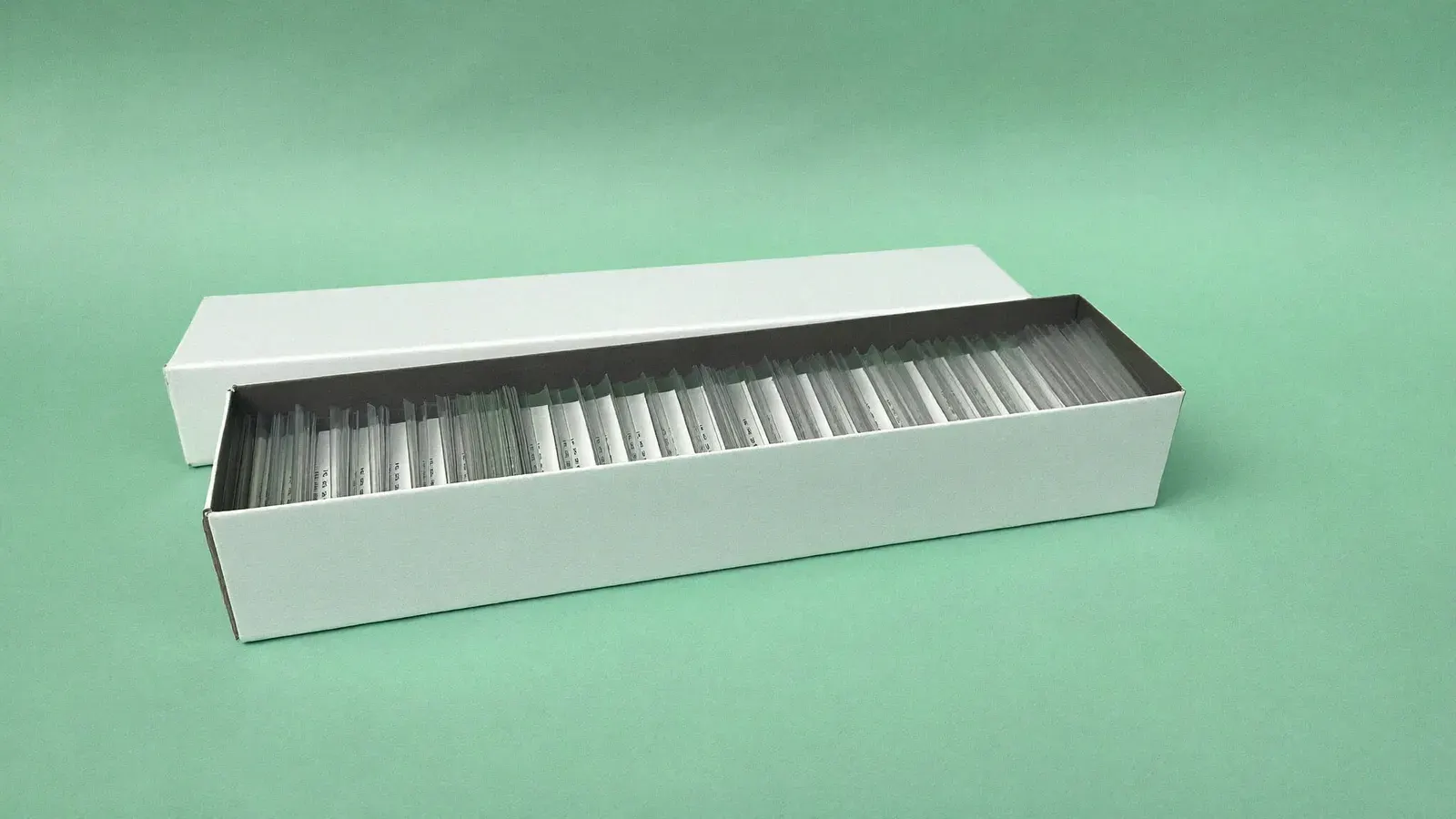
100 × 150 mm thermal labels, 250 roll
A roll sits on a holder or inside a printer with a roll bay, so it suits a crowded desk with no space behind the printer for a fanfold stack.
Typical price£5 to £10
See on Amazon
Grey mailing bags, 10 × 14 in, 100 pack
Self-seal poly bags add almost no weight, so a single garment goes as a small parcel. The grey film is opaque, and a label sits flat on it.
Typical price£6 to £12
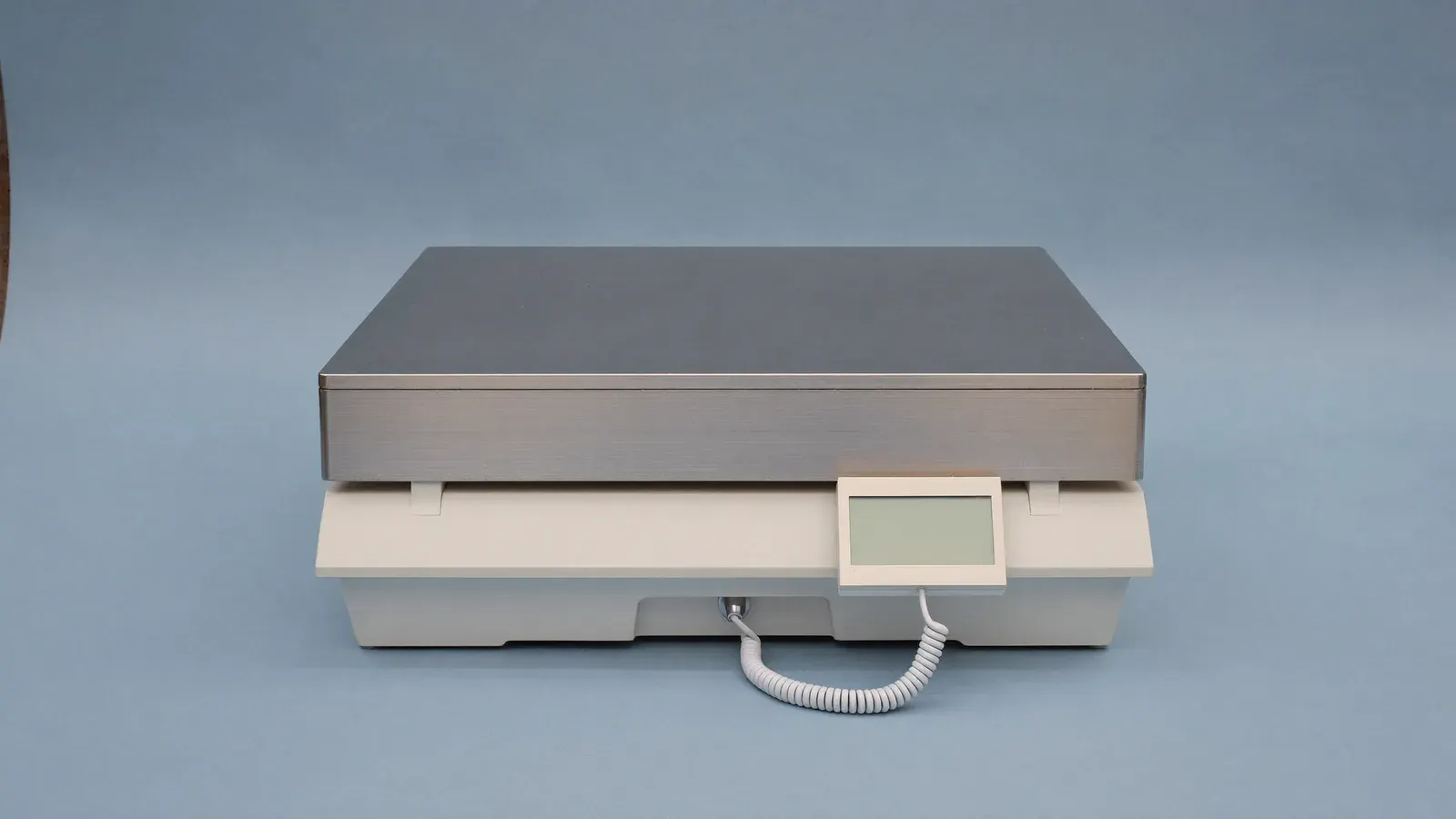
See on Amazon30 kg digital postal scale
Covers the parcels most home sellers ship, up to 30 kg. Choose it when the 50 kg scale is out of stock.
Typical price£12 to £20
See on AmazonThe guide
Each step in the order you'll need it.
Start with what you own
Clothes, shoes, books, games and old phones are the usual first sales. Vinted suits clothing; eBay suits electronics and media.
Selling your own used items at less than you paid is not trading income. It is a good way to learn photos, listings and posting before any money goes on stock.
Reselling for profit
Reselling means buying items to sell for more: charity shop finds, car boot buys, job lots or wholesale bundles. Pick one category and learn its prices from sold listings.
Our reselling suppliers guide covers where UK resellers buy stock and how to test a supplier with a small first order.
Making and selling
Handmade items suit Etsy, where buyers look for gifts, prints, jewellery and personalised pieces. Count materials, packaging and Etsy's fees in your price, along with your time.
Live selling on Whatnot or TikTok Shop suits cards, collectables and clothing once you have stock to show.
What it costs to start
You need a phone for photos, mailing bags or boxes, and a kitchen scale or parcel scale to weigh orders. A thermal label printer saves time once you post several parcels a week.
Our Vinted starter setup lists a full kit for under £100.
Tax and HMRC
HMRC's trading allowance lets you earn up to £1,000 a year from trading without telling HMRC. Above that, you register for Self Assessment and report the profit.
Platforms send HMRC the details of sellers with 30 or more sales, or more than about £1,700, in a calendar year. Being reported does not mean you owe tax; our HMRC guide explains the line.
Checklist
Run through it before each one goes out.
- 1Start with items you already own
- 2Pick one platform and one category
- 3Price from sold listings
- 4Keep a record of what you buy and sell
- 5Check the trading allowance before you scale up
Setups
Complete kits for one kind of seller, costed and laid out.




Questions
Straight answers to what sellers ask about this.
Is selling online a good side hustle in the UK?
It is one of the cheapest to start: you can sell things you own on Vinted or eBay with no upfront cost. Reselling and making things for profit take more time and money, and pay more once you know your prices.
How much can I earn from a side hustle before paying tax?
The trading allowance covers up to £1,000 a year of trading income. Above that, register for Self Assessment and pay tax on the profit.
Do I need a business account to sell?
Not to start. Vinted is for private sellers, and eBay lets you sell as a private seller. Once you buy items to resell regularly, eBay expects a business account.
Which platform should I start on?
Vinted for clothing, eBay for electronics and media, Etsy for handmade, and Whatnot for cards and collectables sold live.
How much time does it take?
A few hours a week covers photos, listings and a couple of post office trips. Batching your photos and posting on set days keeps it manageable alongside a job.