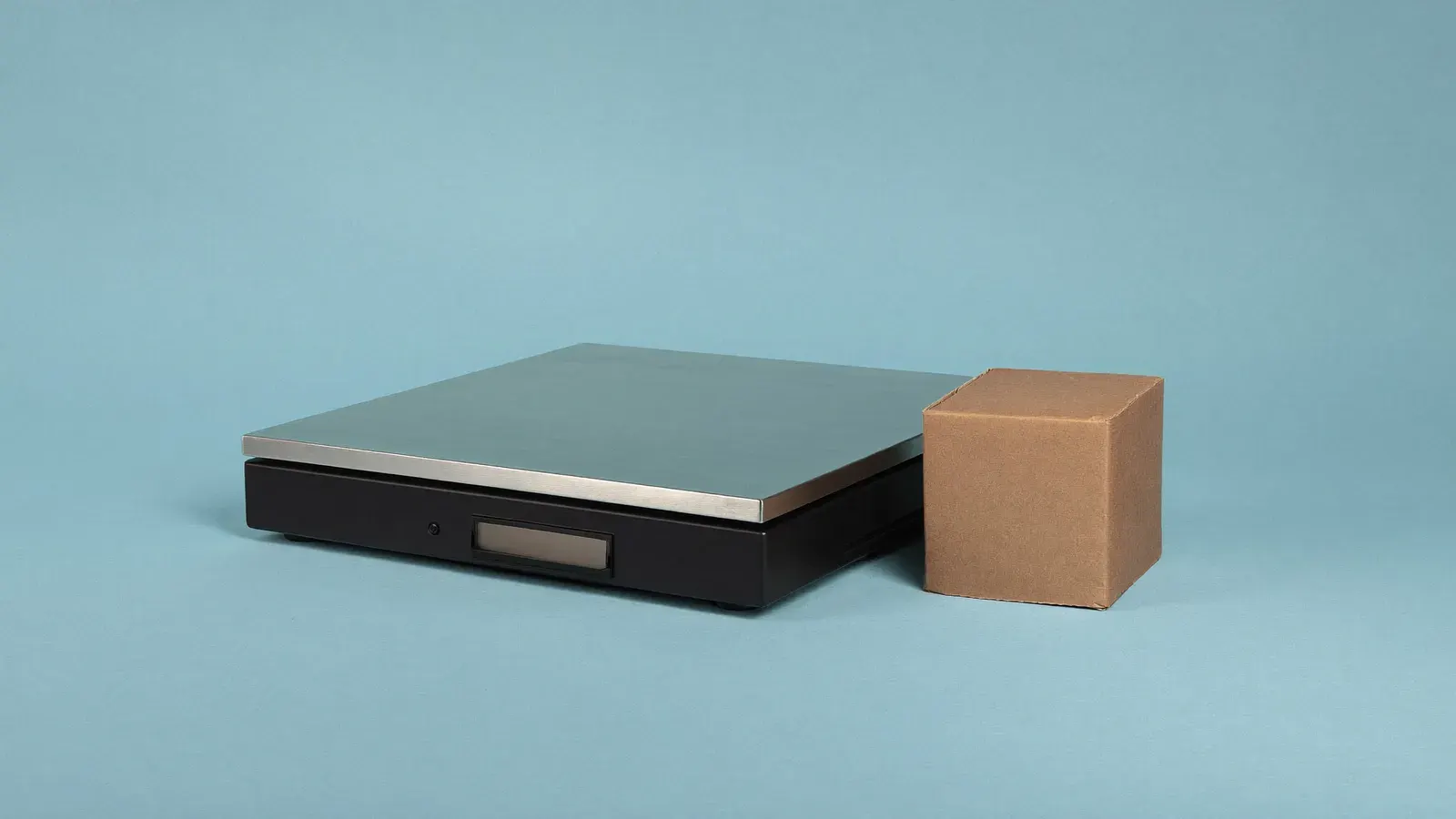
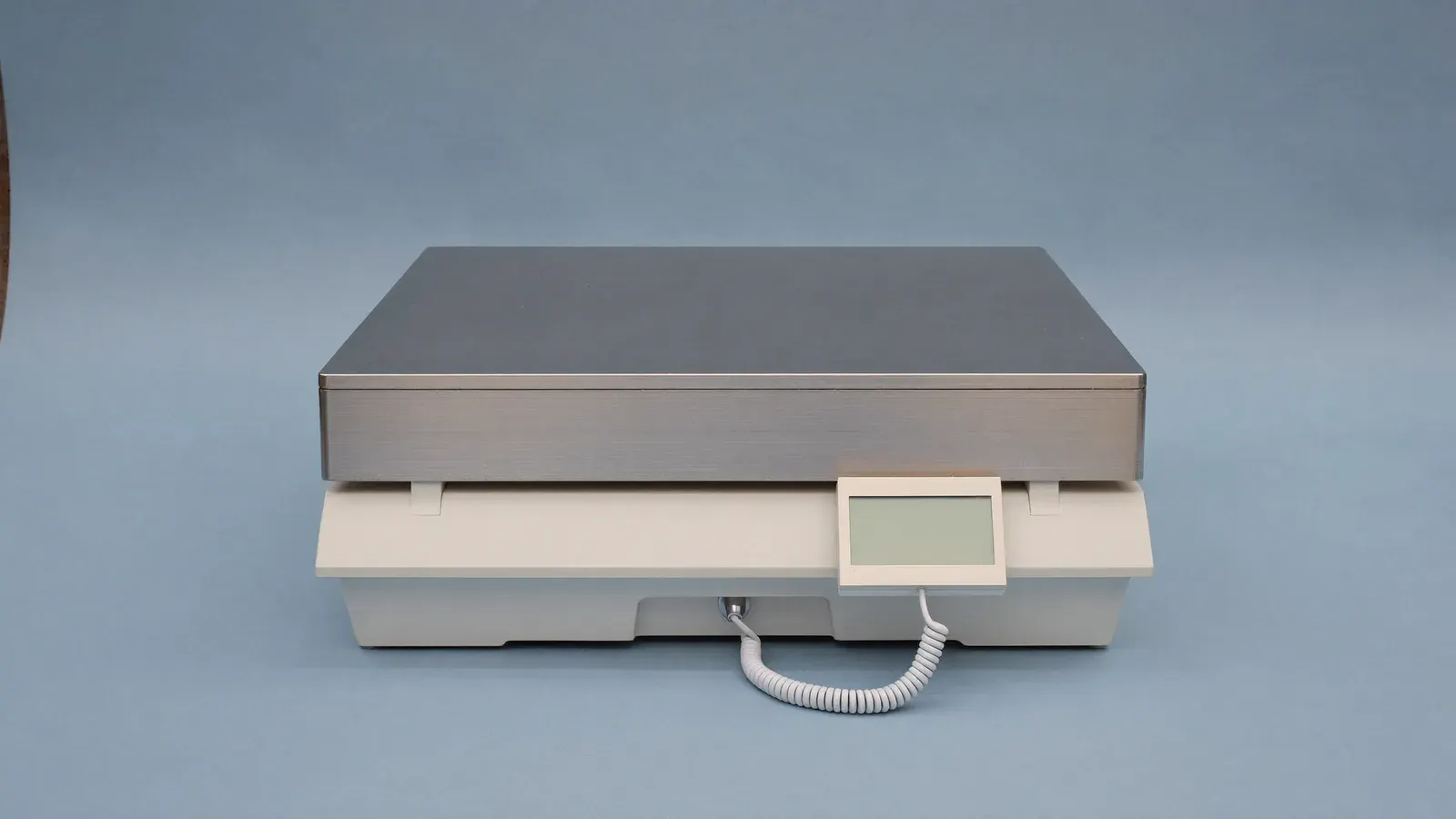



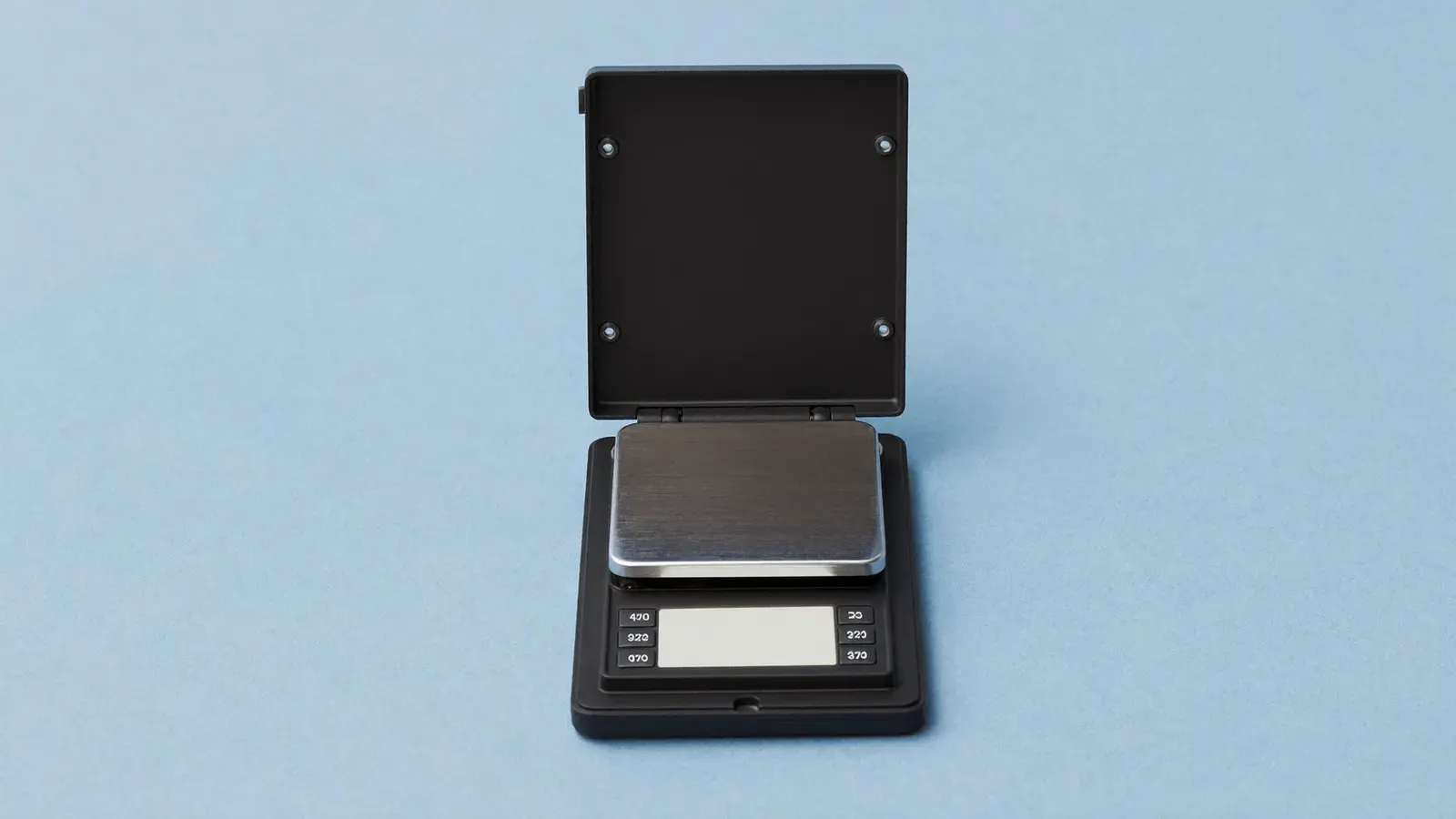
Weighs envelopes and card mailers to a hundredth of an ounce.
Typical price
$8 to $15

Why we pick it
- Typical price
- $8 to $15
- Works with







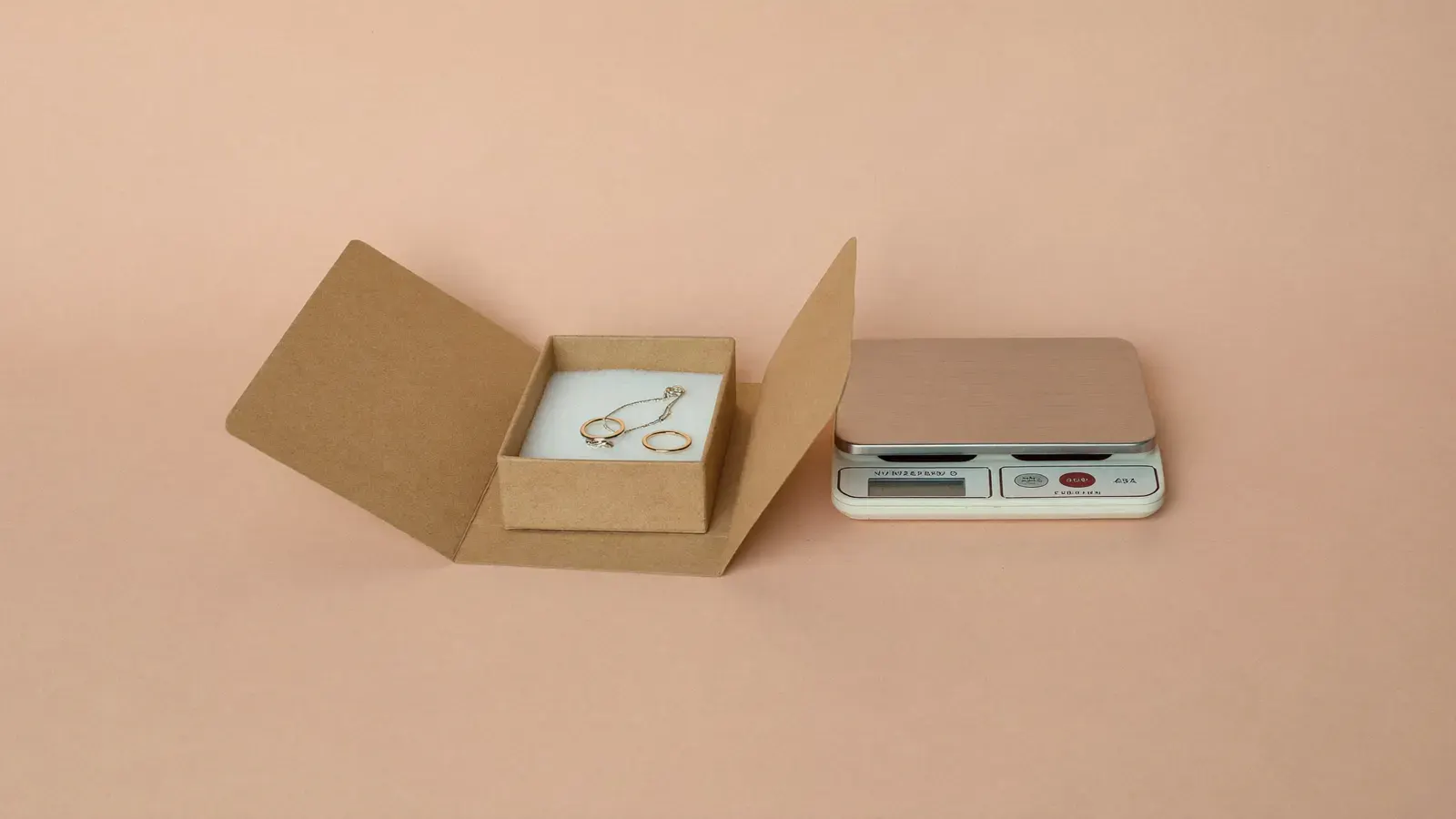
Card orders often sit a fraction of an ounce from a postage price break. A precise small scale tells you whether a mailer stays in the cheaper weight step.
Good for
- Card mailers and envelopes
- Items near an ounce break
Not for
- Anything over about 1 lb
Our approved alternative for the same job: 66 lb digital shipping scale
The guide
Each step in the order you'll need it.
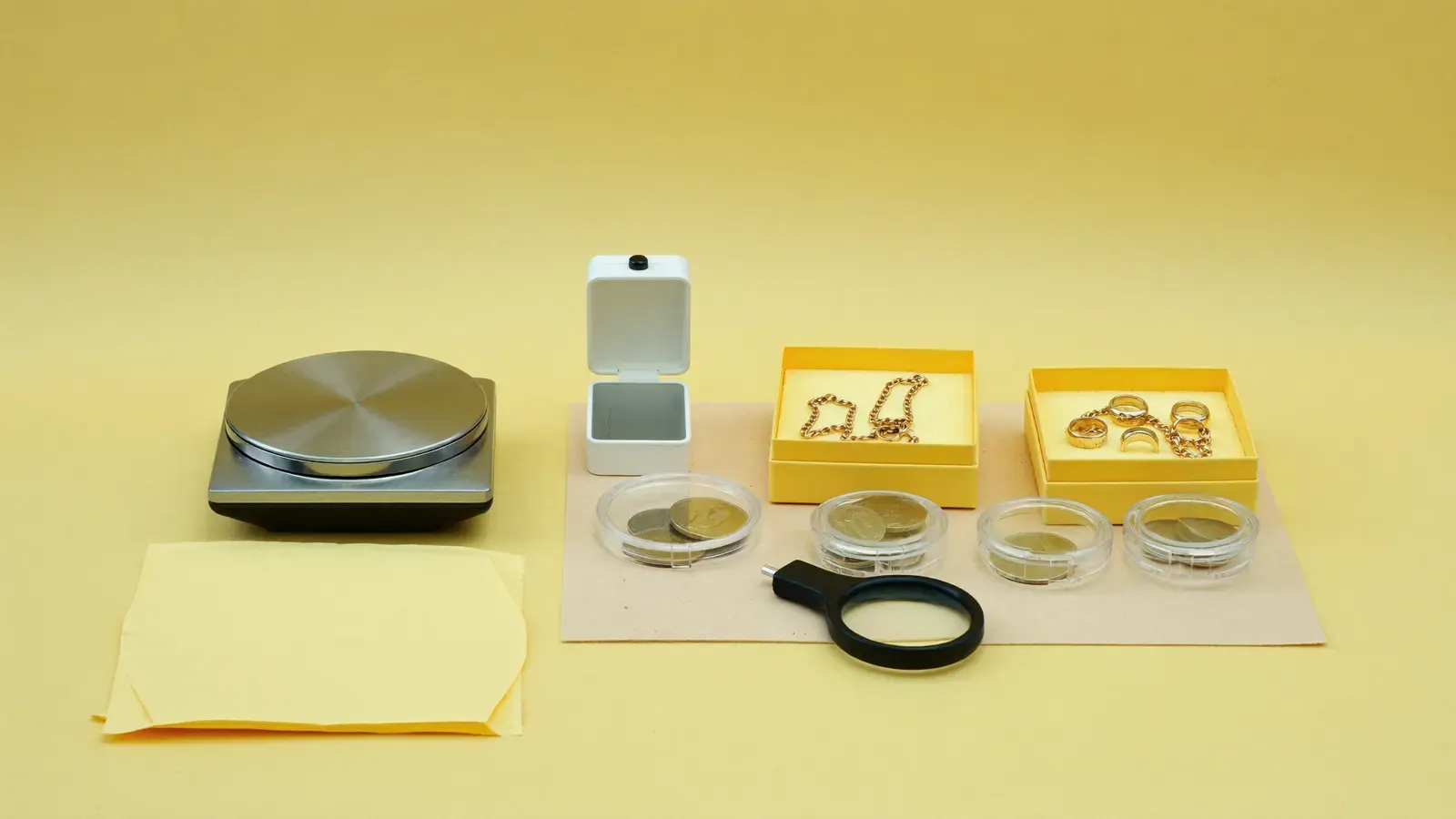
Cards, coins and jewelry near a price break
You ship trading cards, coins, jewelry or stickers in envelopes and small mailers, where the weight sits close to the next ounce. A 500 g scale reading to 0.1 g (about 0.004 oz) tells you which side of the line you are on.
Keep it beside a shipping scale as a second scale for small items. At $8 to $15, it costs less than one adjustment charge.
Kit for this step
Fine steps, tare and a tray lid
Buy one with a 500 g maximum, 0.1 g steps, an ounce mode, a tare button and a lid that doubles as a weighing tray. A backlit screen helps under a desk lamp.
Most models include a calibration weight or ask for one; the listing says which. Calibration keeps the fine reading honest.
Weighing mailers at the desk
Keep it on the desk beside your card mailers. Weigh a finished mailer with the label on; if it sits close to the next ounce, swap a toploader for a thinner sleeve or a lighter mailer.
Calibrate it with the supplied weight when you move it or change the batteries. Keep it away from fans and drafts, which can shift a light reading.
Kit for this step

Pairing it with a platform scale
The 66 lb digital shipping scale weighs boxes and larger packages. Make it your main scale and add this one for small mailers.
The 110 lb shipping scale suits heavier or bulkier boxes. Neither platform scale reads small mailers as finely as this one.
USPS limits and small mailers
USPS sets weight, size and thickness limits for letters, large envelopes and packages, and both the limits and the prices change; check the current USPS rules before you settle on your mailers.
Weigh a full sample of each mailer setup once and note the weight. From then on you know at a glance which price step each order lands in.
Common mistakes
Each one costs you money or reviews, and each has a fix.
- An item weighed without its mailer, label and card protection reads light. Weigh the sealed envelope.
- Anything over 500 g (about 17.6 oz) belongs on a shipping scale; overloading this one can damage the sensor.
- Recalibrate with the supplied weight after you move the scale, or readings drift.
- A fan or an open window makes readings jump, so weigh in still air.
Ranked in
Where it places in our rankings, and the reason.
Setups that use it
Complete kits this product is part of.


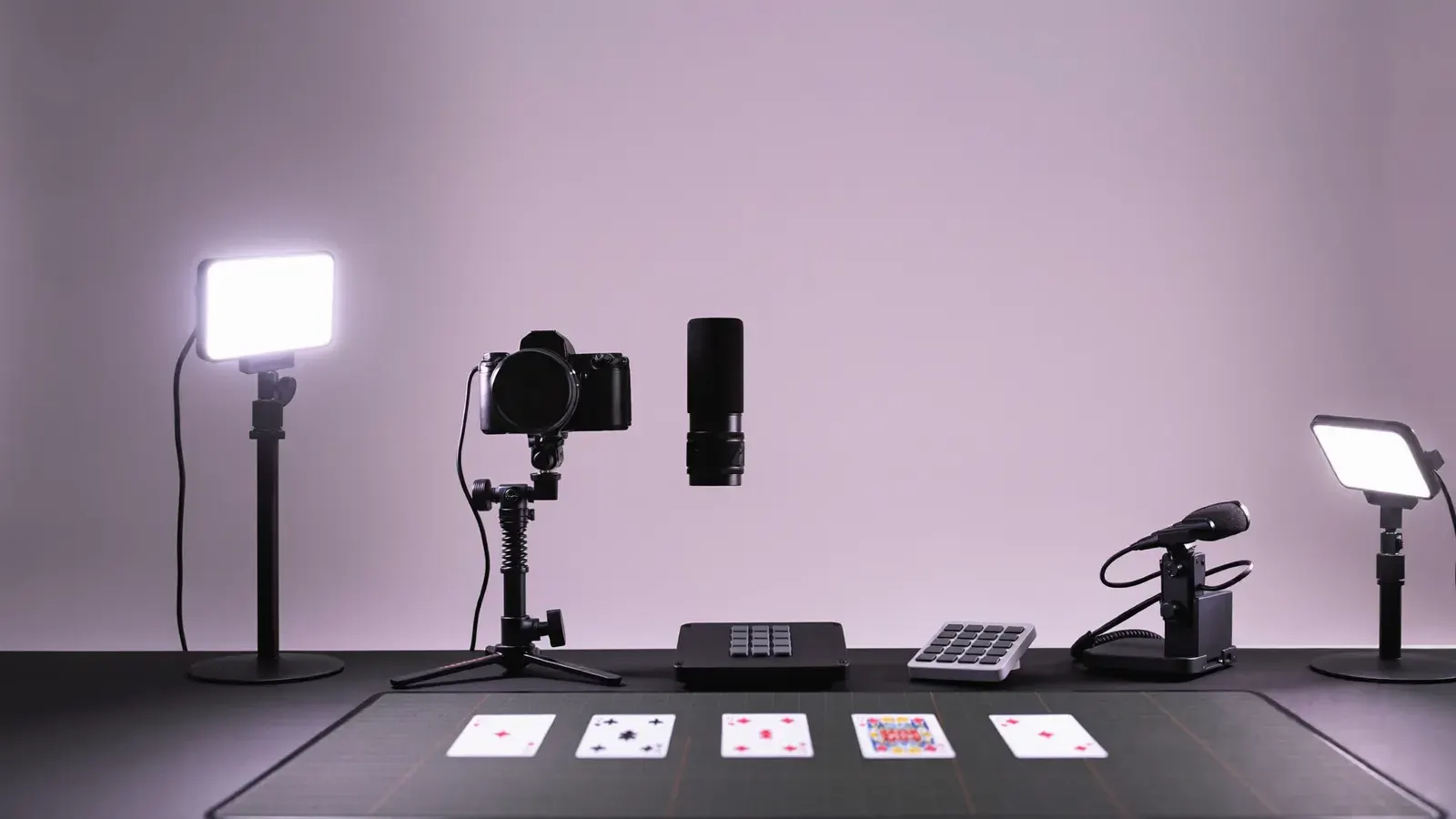
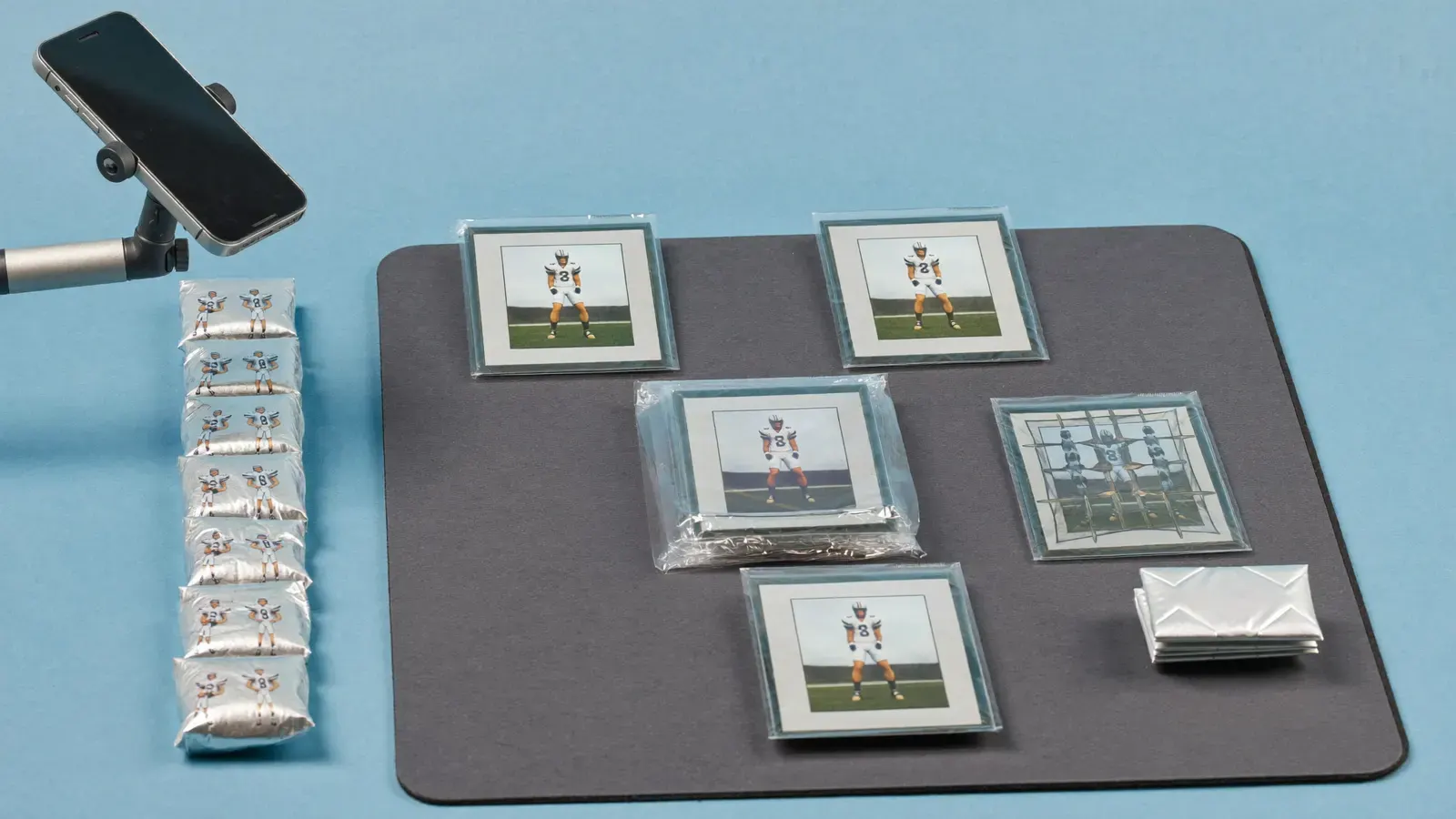
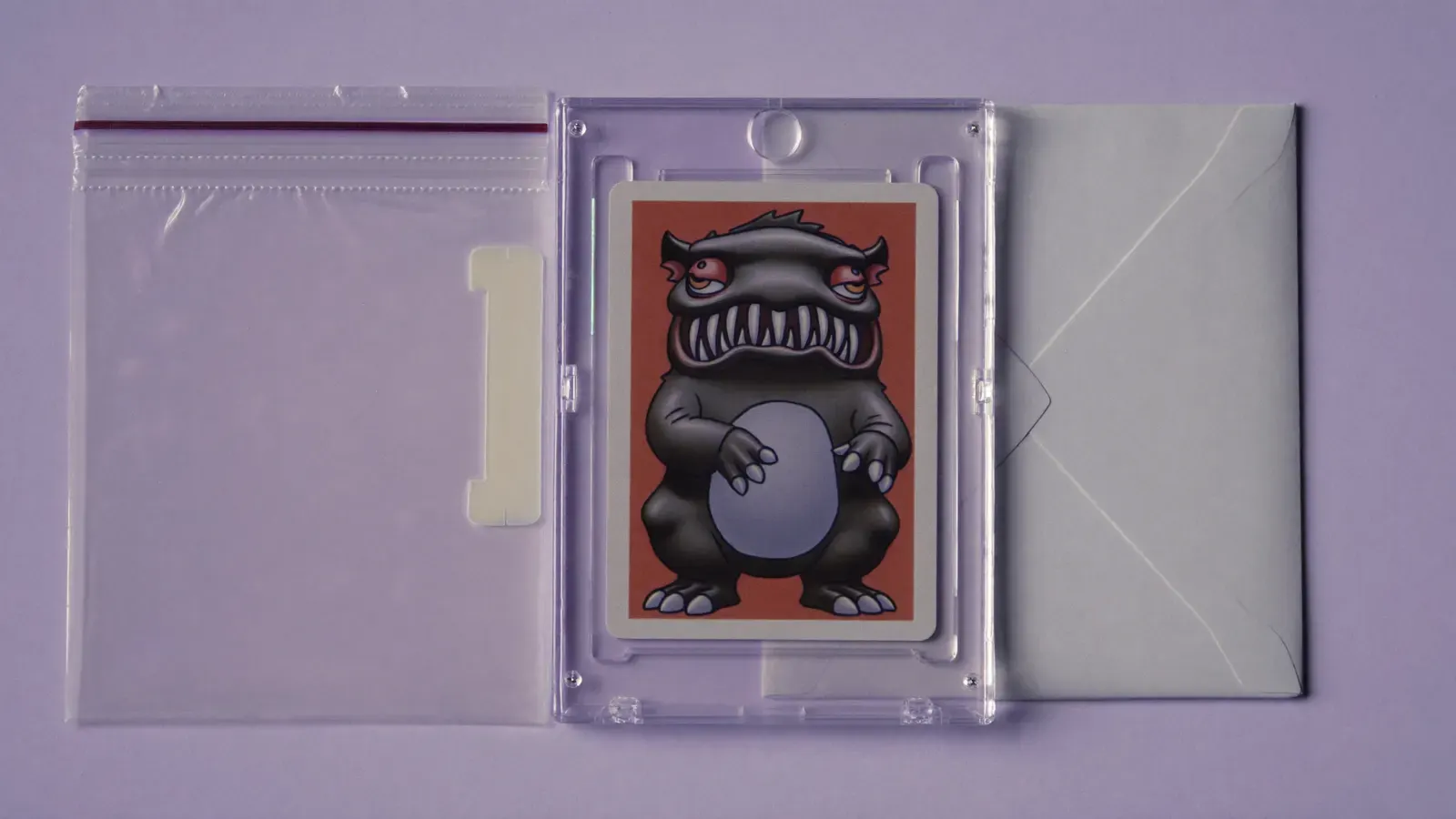
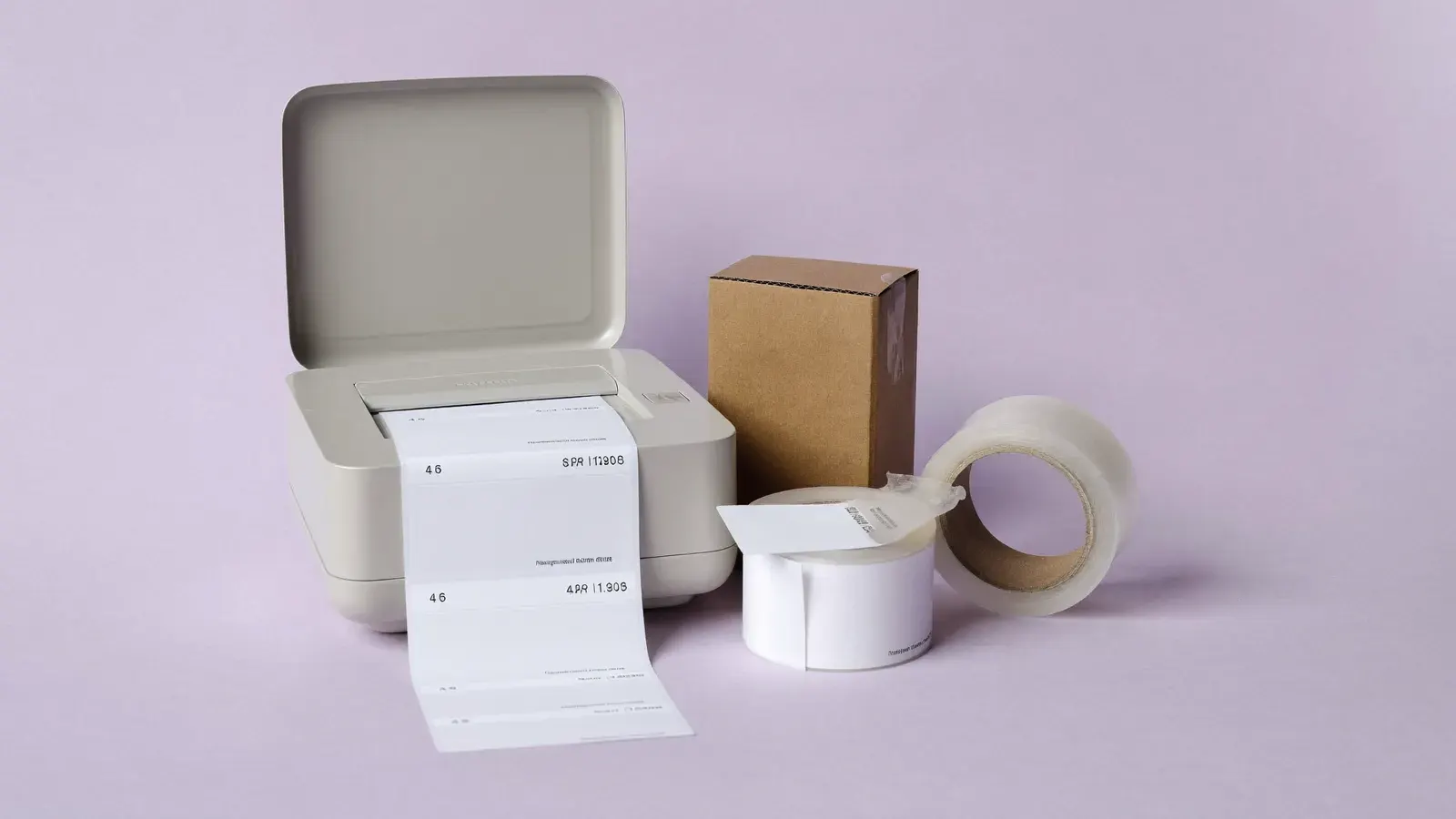
Guides that use it
Step-by-step help where this product does a job.

Questions
Straight answers to what sellers ask about this.
Why do I need such fine accuracy?
Card mailers often sit a hair from the next ounce. A scale that rounds to whole ounces or grams can show 3.9 oz when the envelope weighs a fraction over 4.
Can it replace my shipping scale?
No. It stops at 500 g, about 1.1 lb, so keep a platform scale for boxes and packages.
How do I calibrate it?
Most models have a calibration mode and come with a weight. Follow the instructions in the box after changing batteries or moving it.
Will a mailer fit on the platform?
Small mailers and envelopes usually fit on the tray or lid. A larger envelope can overhang if it stays clear of the desk.
Alternatives
Other picks for the same job, cheaper and pricier.
110 lb shipping scale with fold-up display
A wrong weight gets you an adjustment charge from the carrier or postage you overpaid. This platform scale takes up to 110 lb, and its backlit display folds up 90 degrees, so you can still read it when a box hangs over the top.
Typical price$18 to $30
See on Amazon66 lb digital shipping scale
Covers the packages most home sellers ship, up to 66 lb. Choose it when the 110 lb scale is out of stock.
Typical price$20 to $35
See on Amazon