



Penny sleeve, toploader, team bag and a rigid mailer: the layers that get a Pokémon single to a US buyer flat, plus when an envelope stops being enough.
Updated October 8, 2026
Before you start
Penny sleeve, toploader, team bag and a rigid mailer: the layers that get a Pokémon single to a US buyer flat, plus when an envelope stops being enough.
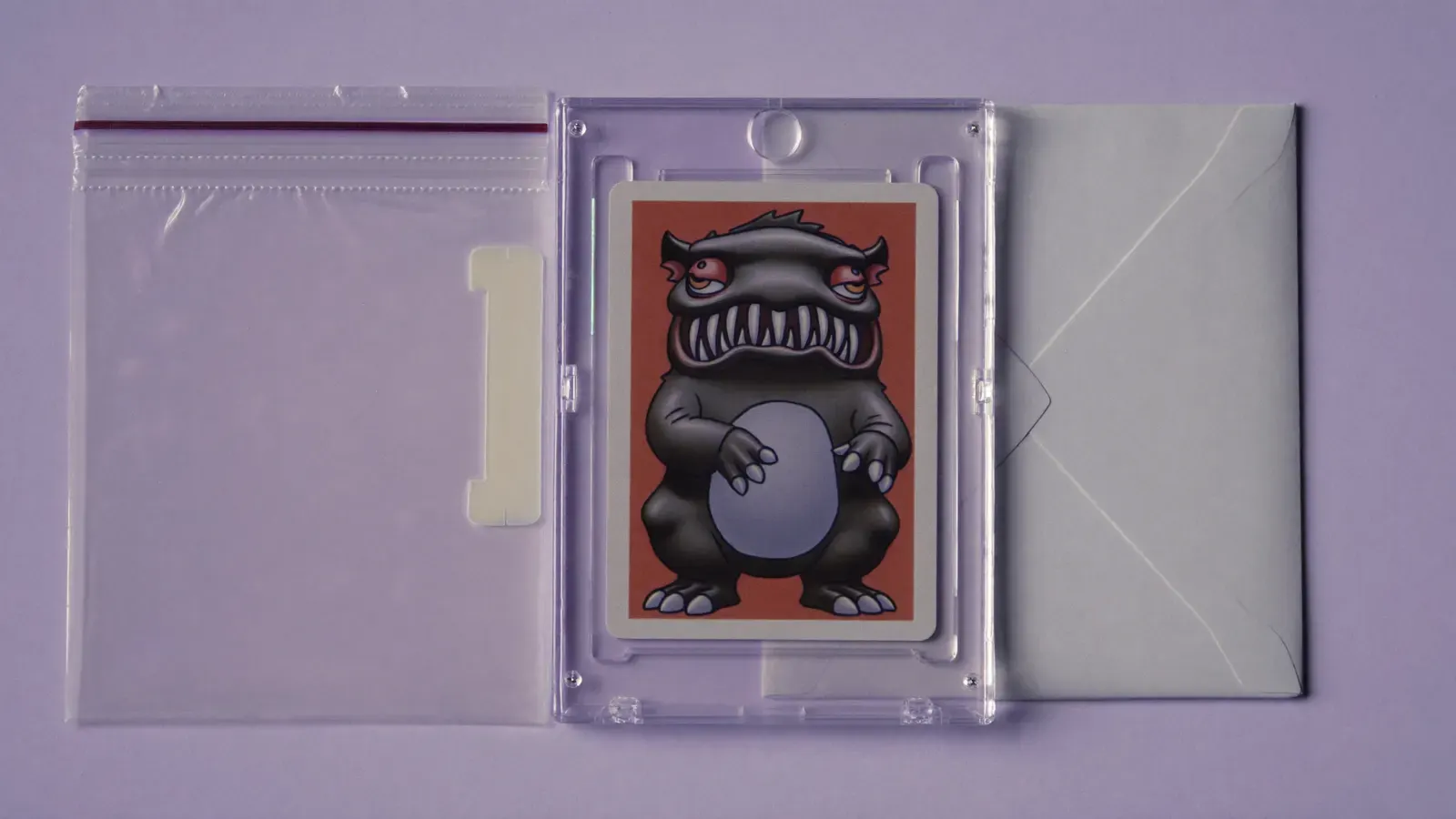
A $2 bulk rare and a $200 alt art fail in the mail the same way: a dinged corner, a crease from a sorting machine or a card that slid out of its sleeve. Four layers stop all three, for pennies per order.
Use this if you sell Pokémon singles on eBay, Mercari or after a Whatnot show and want each card to arrive in the condition you listed. It covers the layers, the envelope, eBay Standard Envelope and the point where a tracked package makes more sense.
Kit for this
The products this guide uses, with typical US prices.
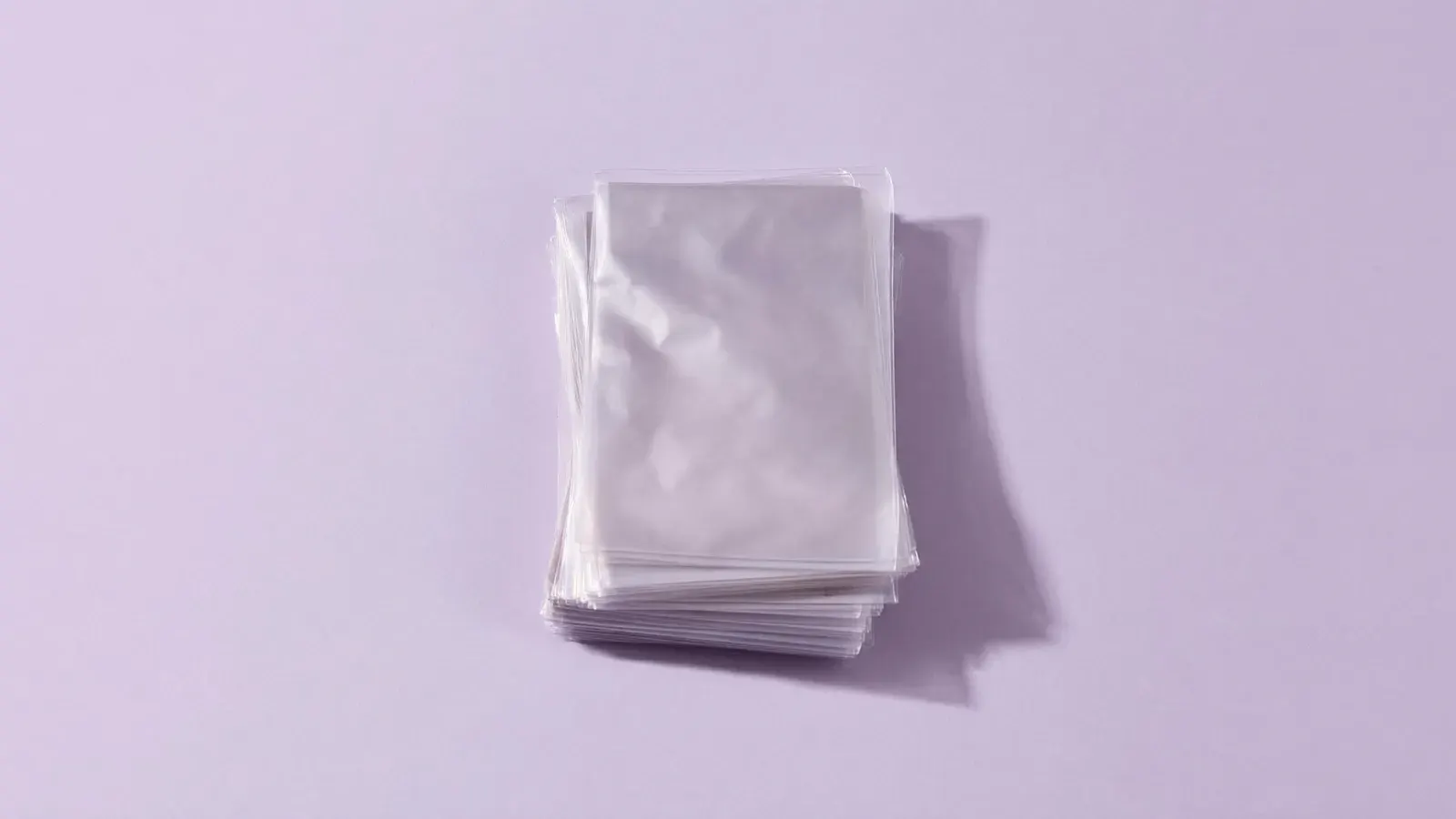
Penny sleeves, 1,000 pack
Stops surface scratches before the card goes into a toploader. At this pack size each sleeve costs about a penny.
Typical price$6 to $14
See on Amazon
35pt toploaders, 100 pack
Buyers on Whatnot and eBay expect any card worth more than a few dollars to arrive sleeved and toploaded. A bent card means a refund.
Typical price$10 to $20
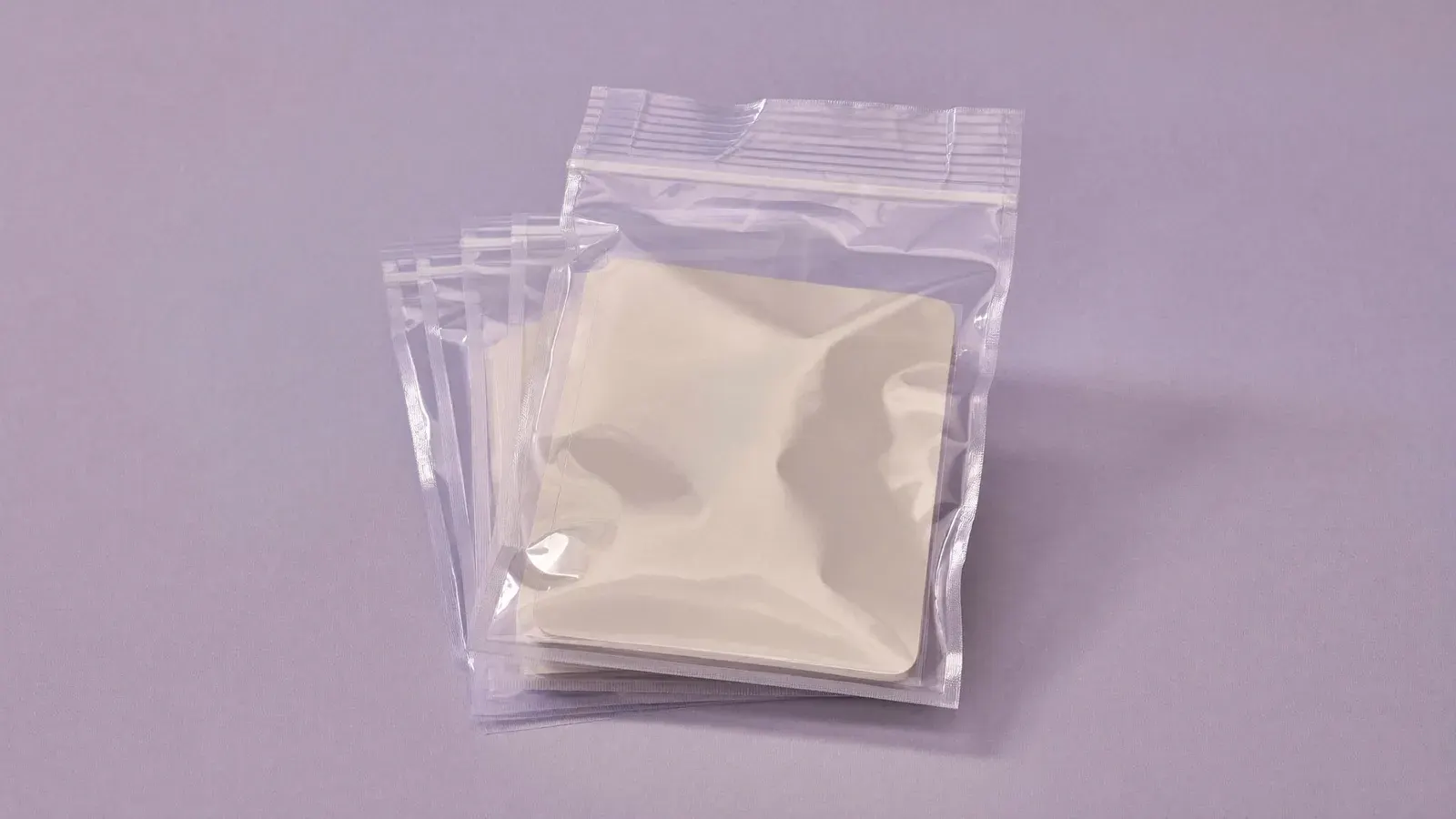
See on AmazonResealable team bags, 100 pack
A team bag over the toploader holds the card in place and keeps moisture out, for a few cents a card.
Typical price$5 to $10
See on AmazonRigid card mailers, 6 × 8 in, 100 pack
A sleeved and toploaded card in a rigid mailer stays flat through sorting machines and costs far less to ship than a box.
Typical price$35 to $50
See on AmazonThe guide
Each step in the order you'll need it.
Layer one: a penny sleeve
Slide the card into a soft penny sleeve, top first, so the toploader’s edge can't scratch the surface. A pack of 1,000 lasts a small seller months.
Use a fresh sleeve for anything you list as near mint. A cloudy sleeve hides the holo in the buyer’s first photo, and that photo is often the one they attach to a complaint.
Kit for this step
Layer two: a toploader or a team bag
A 35pt toploader keeps a standard card rigid. Push the sleeved card in sleeve-first and stop there; if you want the open end closed, use a strip of painter’s tape that peels off clean.
Seal the toploader inside a resealable team bag. The bag stops the card sliding out and keeps moisture off. For a stack of commons, skip the toploader and put them in a team bag between two pieces of cardboard.
Kit for this step
Layer three: the envelope
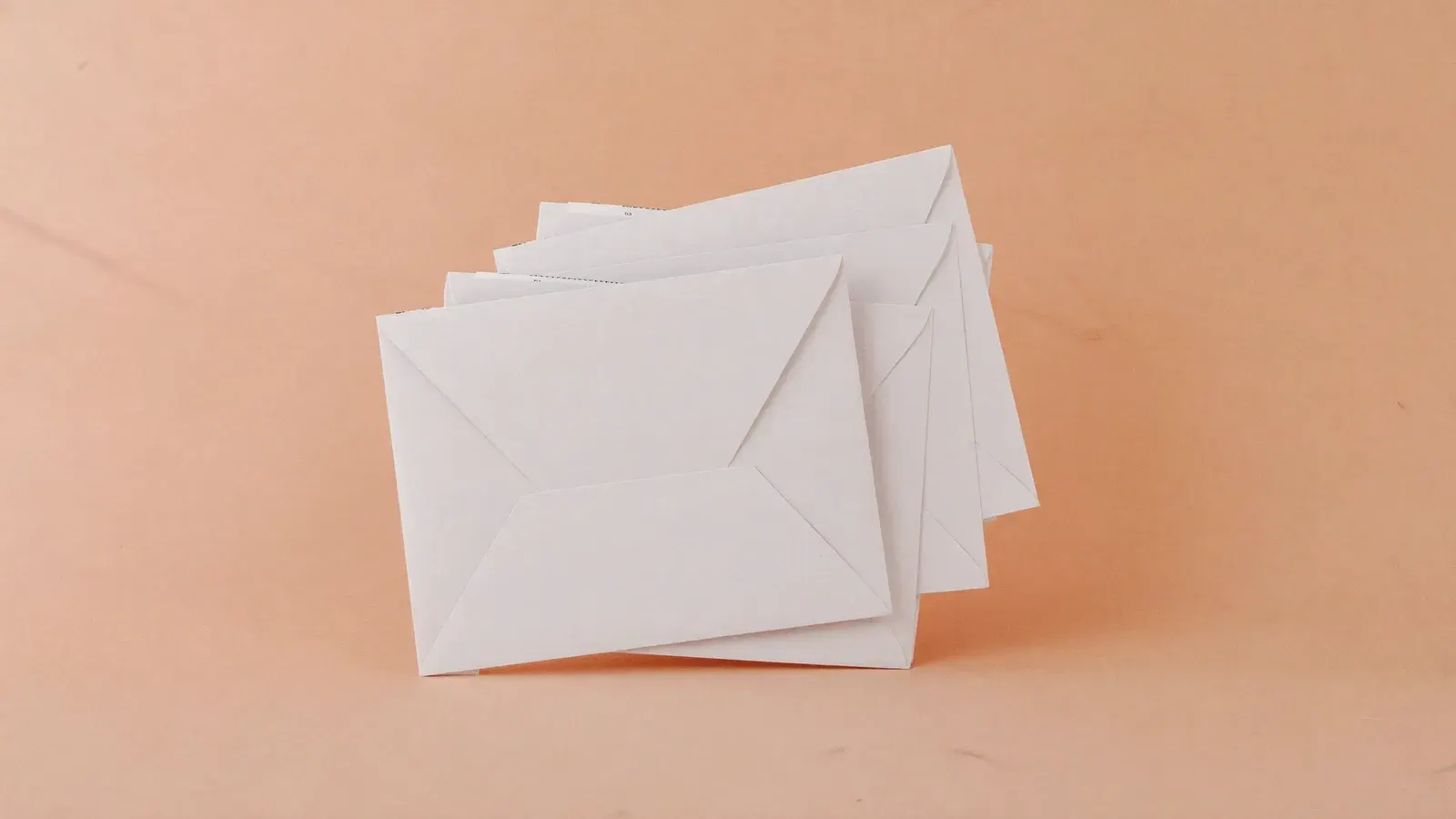
A rigid card mailer stops the envelope folding around the toploader. A plain envelope with a piece of cereal box on each side works for cheap singles, but check it still lies flat.
Write “Do not bend” if you like. Sorting machines ignore it, so the cardboard does the work.
Kit for this step
Envelope or package
A toploader makes a letter stiff and lumpy, so USPS treats it as nonmachinable and charges more than a plain stamp. Check the current letter and nonmachinable rules on the USPS site before you put stamps on a card.
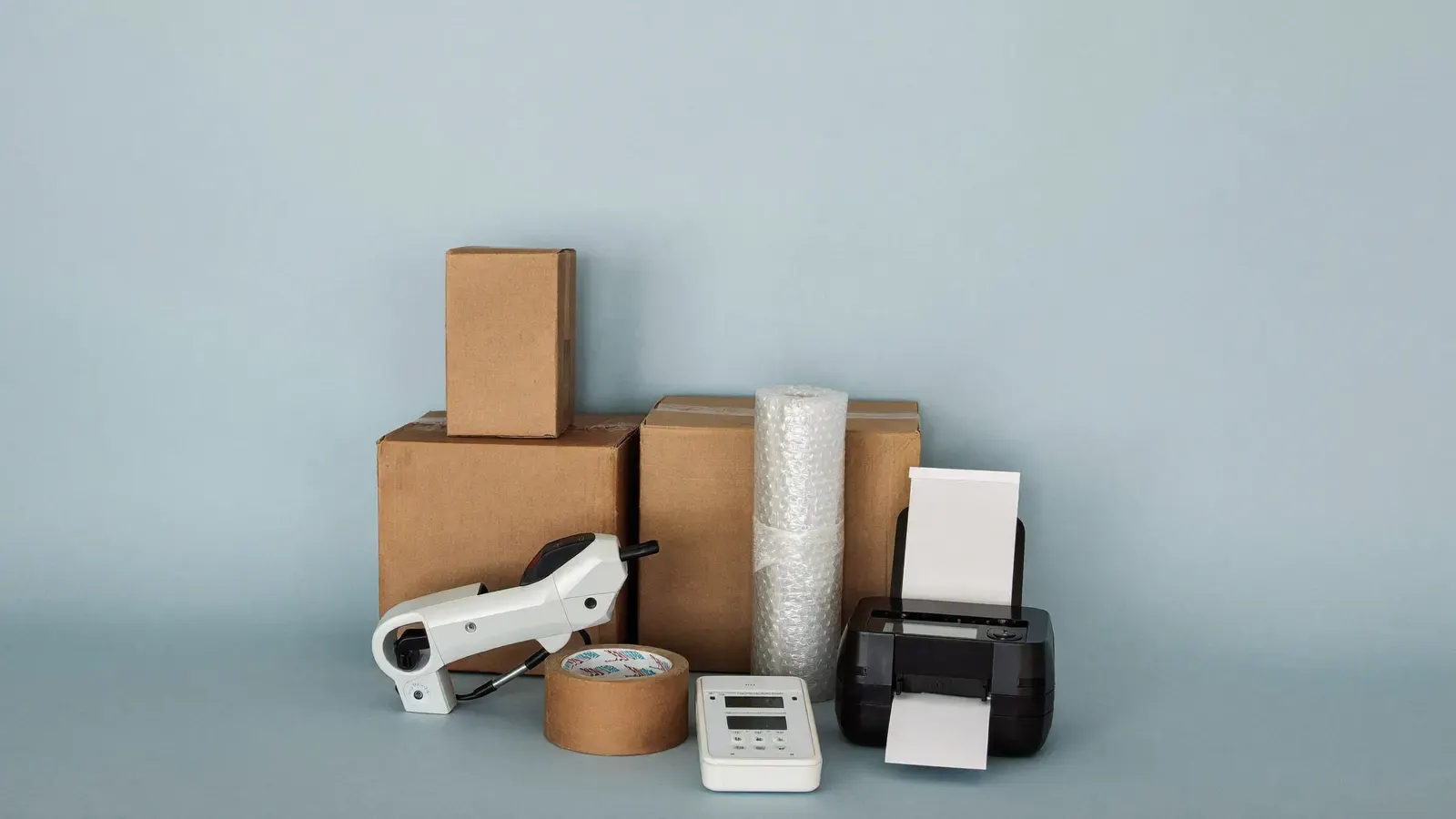
A graded slab, a binder or a sealed booster box goes as a small package in a box with padding, with USPS Ground Advantage tracking. Weigh it sealed, since every ounce counts on the label.
eBay Standard Envelope for cheap cards
eBay Standard Envelope is a tracked letter service for low-value cards on eBay. Its help page caps a single card at $20, the envelope at 3 oz and a quarter inch thick, and allows no more than two toploaders and no graded cards.
Check eBay’s current page before you rely on those limits, since they change. Above that value, pay for a package service with tracking: a buyer who says a card never arrived is hard to answer without a scan.
Weigh, label, ship
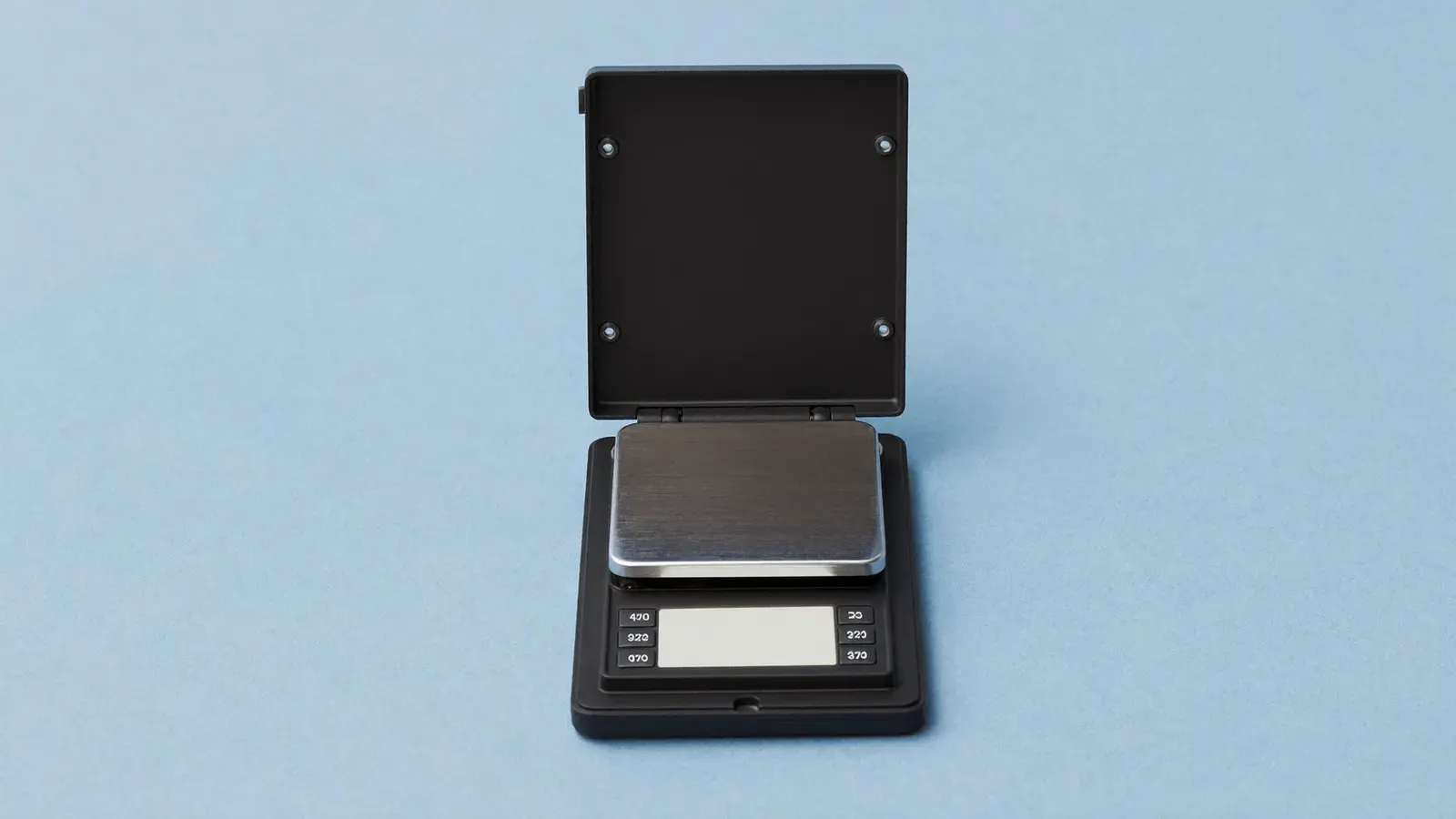
A pocket scale that reads to the gram or tenth of an ounce tells you which rate you are in before you buy postage. A sleeved card in a mailer weighs little, but five cards and two boards can push you up a step.
Print the label after you weigh the sealed mailer. Hand stiff envelopes to the counter or your carrier rather than forcing them into a collection box slot.
Kit for this step
Checklist
Run through it before each one goes out.
- 1Sleeve the card top first in a clean penny sleeve
- 2Slide it into a toploader and seal in a team bag
- 3Use a rigid mailer or add cardboard on each side
- 4Check eBay Standard Envelope limits before using it
- 5Weigh the sealed mailer before buying postage
- 6Add tracking on high-value singles
- 7Keep a photo of the packed card before sealing
Setups
Complete kits for one kind of seller, costed and laid out.






Questions
Straight answers to what sellers ask about this.
What is the cheapest safe way to ship one Pokémon card?
On eBay, a sleeve, toploader and team bag in a rigid mailer sent by eBay Standard Envelope, if the card is $20 or under. Elsewhere, a stamped nonmachinable letter or a Ground Advantage label.
Do I need a toploader for every card?
For any single worth more than the postage, yes. Bulk commons can travel in a team bag between two pieces of cardboard.
Can I mail Pokémon cards in a regular envelope?
Only with something stiff inside. A bare envelope bends in the sorting machine, so add cardboard on both sides or use a rigid mailer.
How do I ship a graded slab?
Wrap it in bubble wrap and put it in a small box. eBay Standard Envelope excludes graded cards, so send it as a tracked package.
Is eBay Standard Envelope available on every sale?
No. eBay’s help lists it for trading cards up to $20 each, up to 3 oz and a quarter inch thick. Check eBay’s shipping pages for the current terms.
Should I tape the toploader shut?
A team bag does the job without tape. If you tape, use low-tack tape so the buyer can open it without pulling the card.