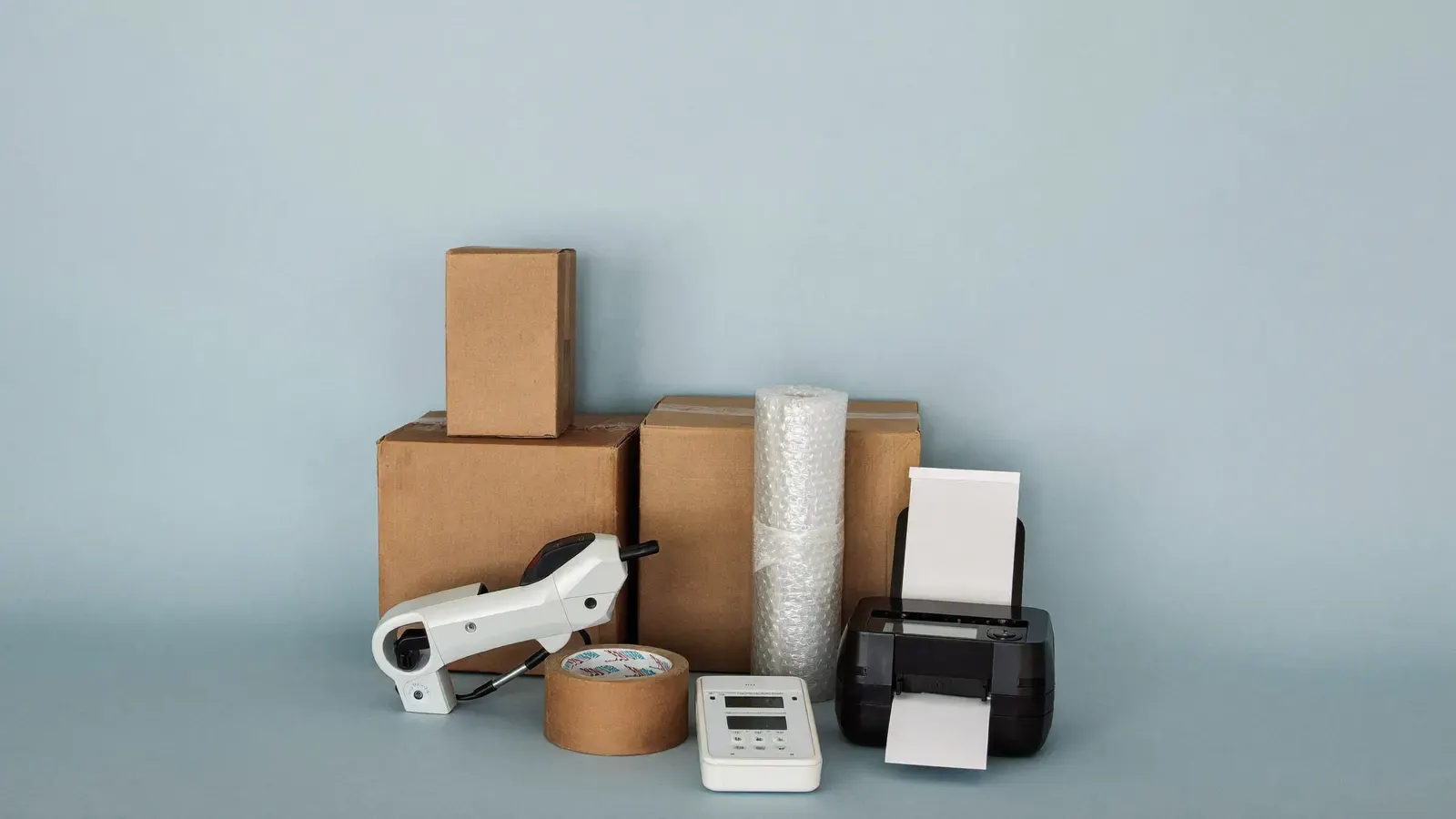



A sorted card box, sleeves, toploaders and a pocket scale for sending 10 to 60 Cardmarket orders a week as letters, for about £150.
Built forYou sell Pokémon or Magic singles on Cardmarket to buyers across Europe, ship 10 to 60 small orders a week, and work from a desk in the corner of a room.
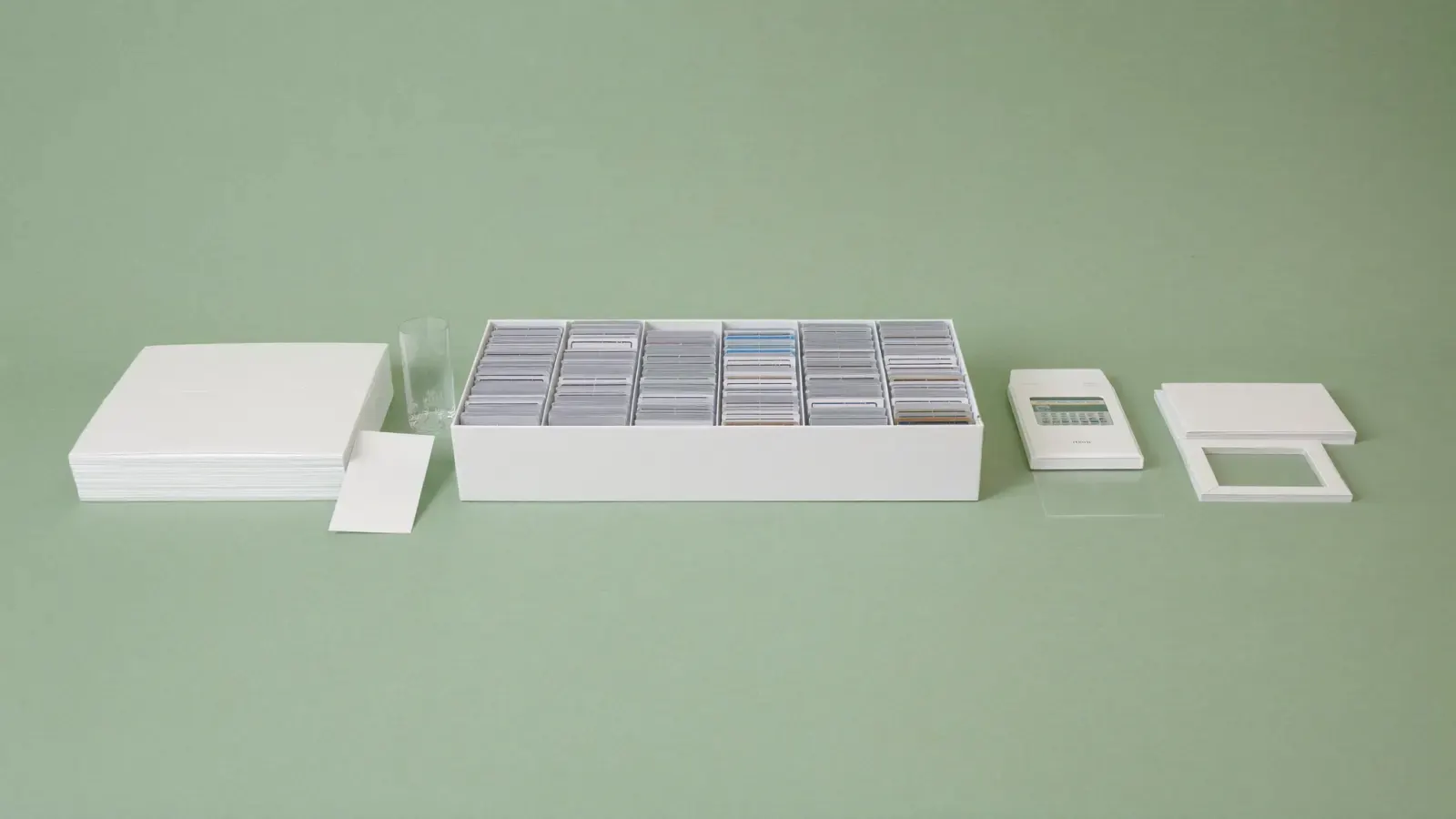
Kit total
£109 to £185
Running cost
£45 to £77 a month
Consumables at 35 orders a week
- Orders a week
- 10–60
- Space
- Corner of a room
- Budget
- £150
Why this setup
You sell Pokémon or Magic singles on Cardmarket to buyers across Europe, ship 10 to 60 small orders a week, and work from a desk in the corner of a room.
Cardmarket orders are small: three cards here, eight there, each one picked from your stock and posted as a letter. Your money goes on storage you can search fast and packing that keeps a £2 card flat through a sorting machine.
No camera rig is needed. Cheap singles sell from Cardmarket's shared product picture, so buy a light tent only once you list cards worth photographing yourself.
The kit
Every item, why it’s here and what it typically costs in the UK.
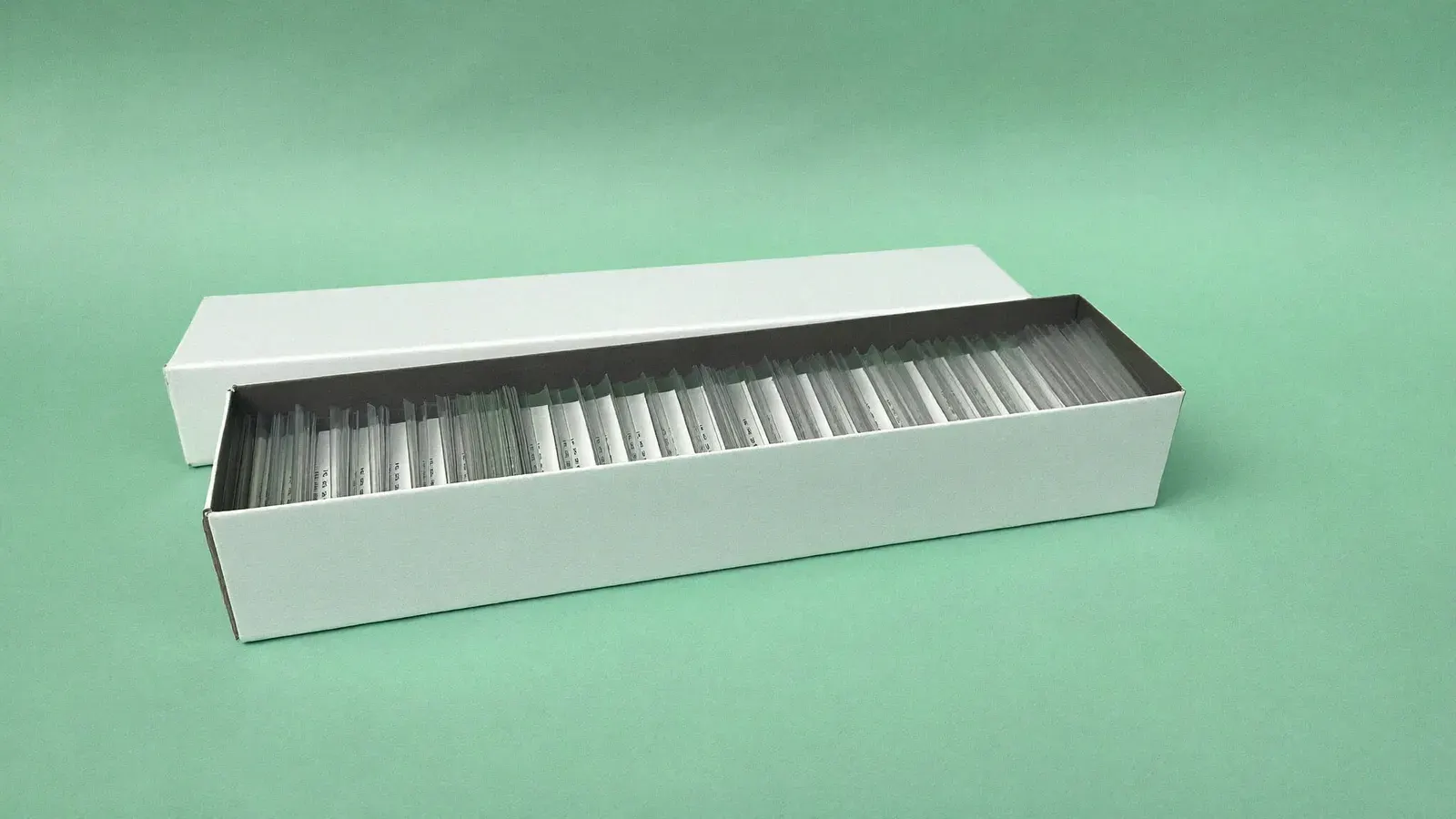
3,200-count card storage boxes
Sort singles by set and number with dividers, and you can pull a sold card without flicking through binders.
Typical price£10 to £18
See on Amazon
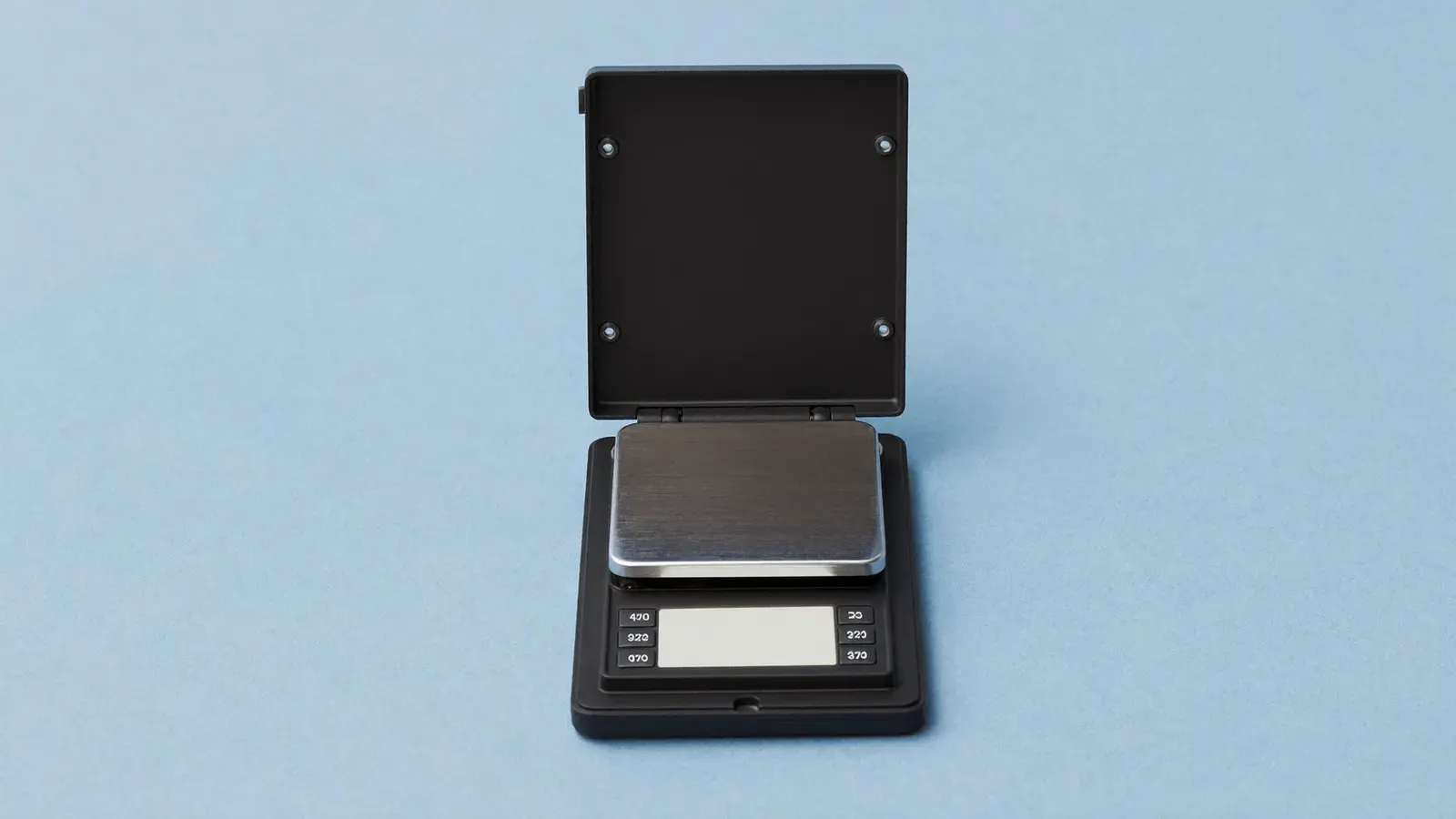
500 g precision pocket scale
Card orders often sit within a few grams of a Royal Mail weight limit. A precise small scale tells you whether a mailer goes as a Large Letter or a parcel.
Typical price£8 to £14
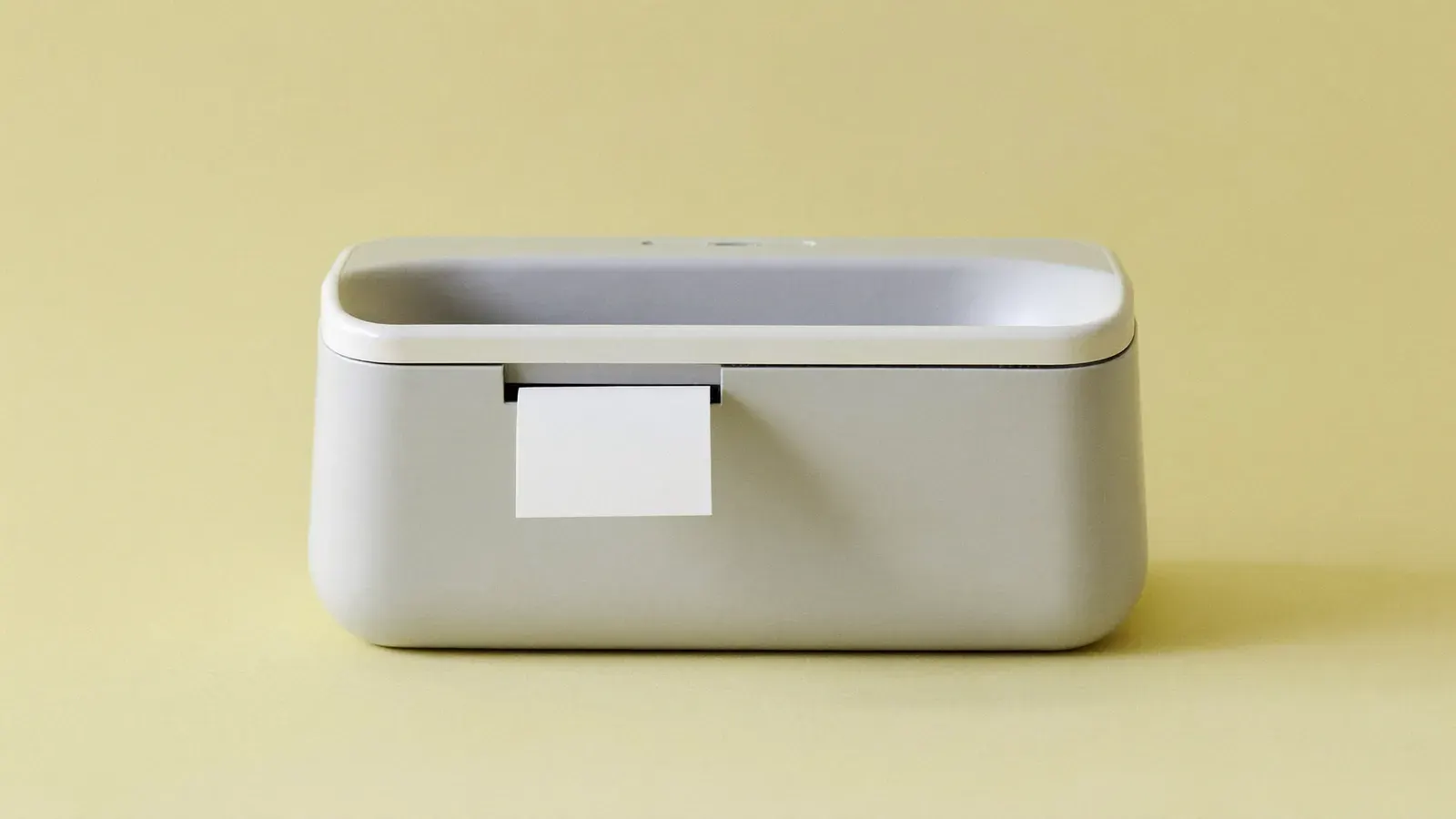
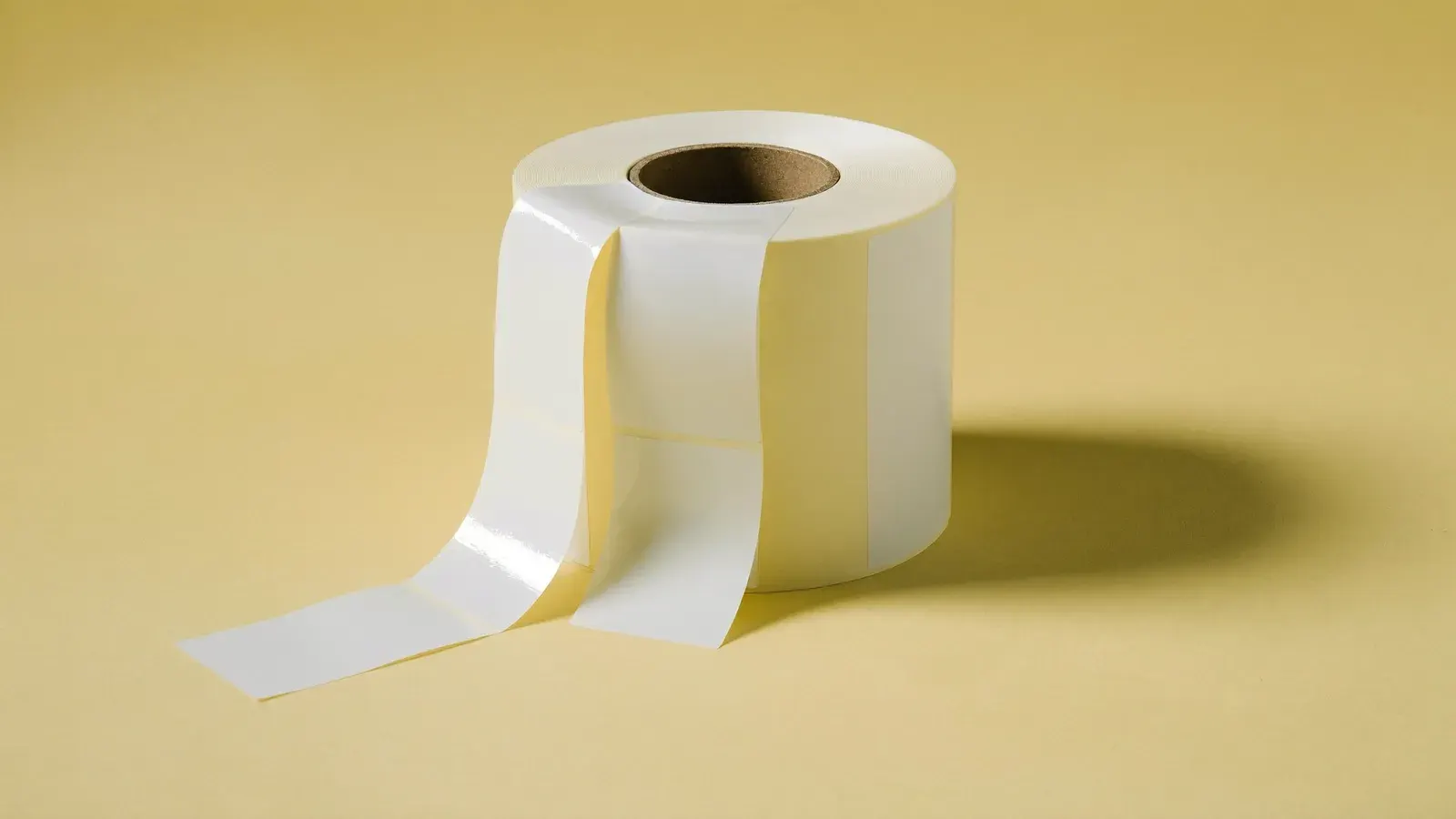
See on AmazonPhomemo thermal label printer
Costs less than most thermal printers and fits on a shelf. It prints the same 100 × 150 mm labels, so your label stock carries over if you upgrade later.
Typical price£55 to £90
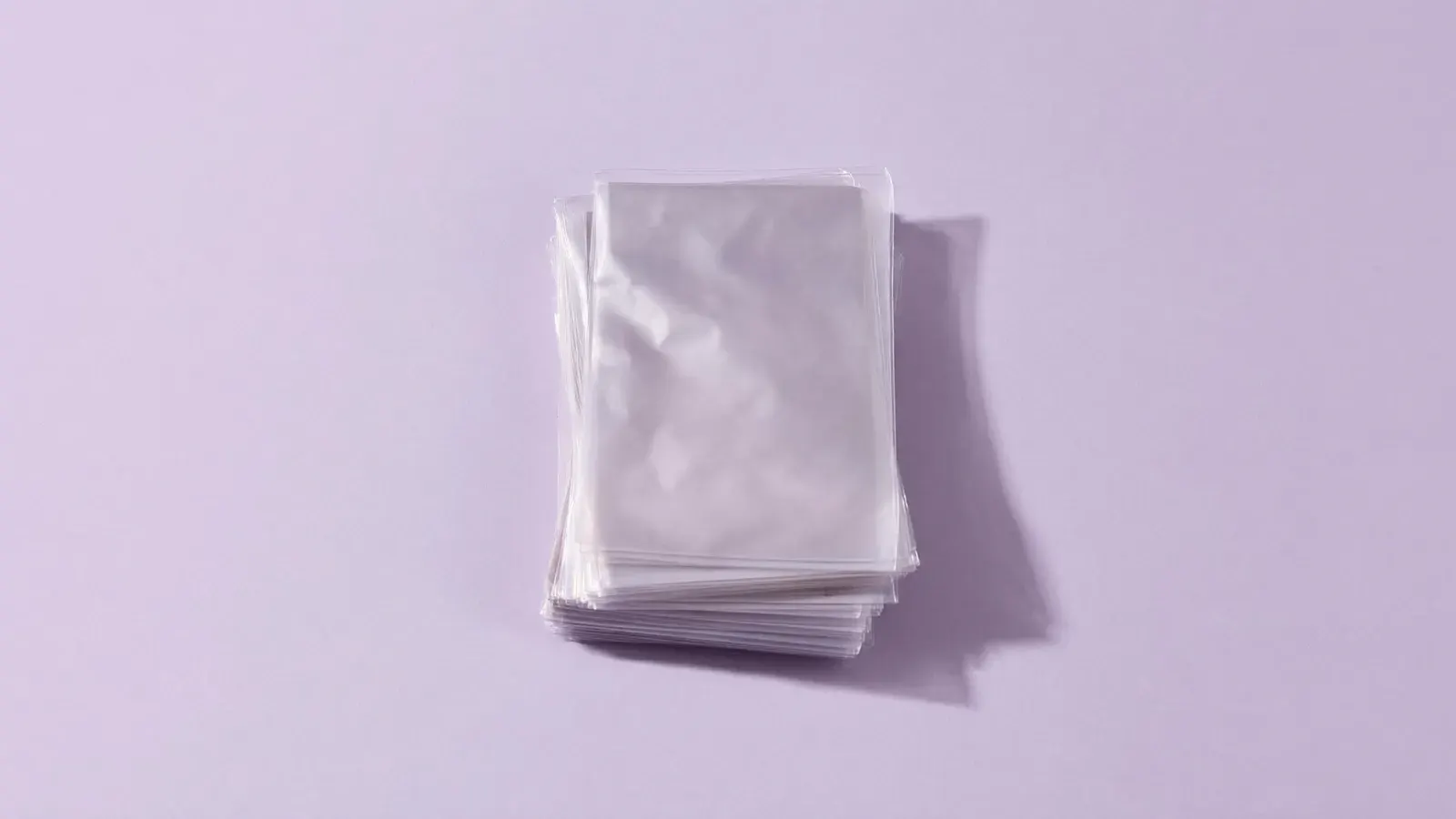
See on AmazonPenny sleeves, 1,000 pack
Stops surface scratches before the card goes into a toploader. At this pack size each sleeve costs well under a penny.
Typical price£6 to £10
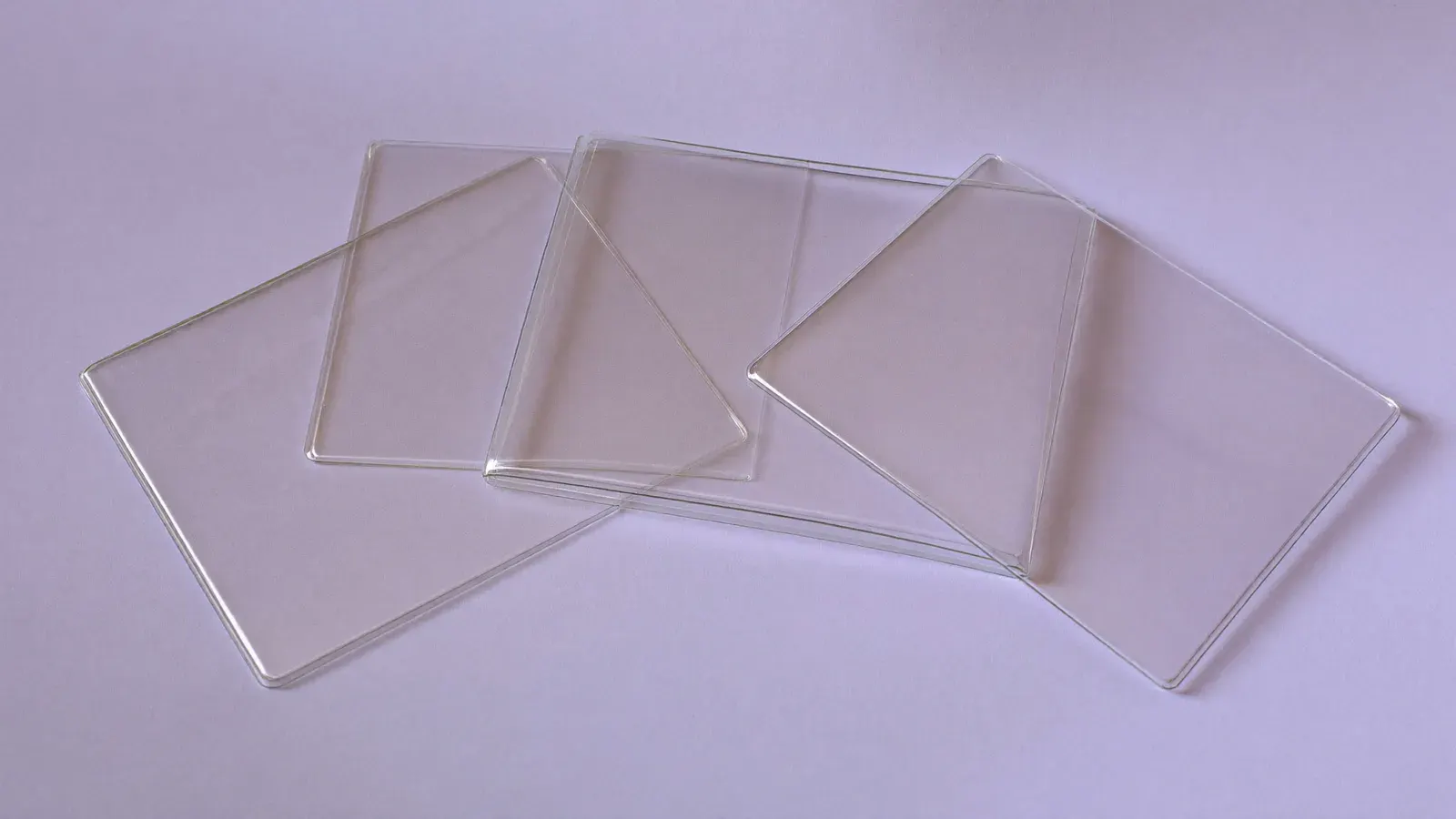
See on Amazon35pt toploaders, 100 pack
Buyers on Whatnot and eBay expect any card worth more than a few pounds to arrive sleeved and top-loaded. A bent card means a refund.
Typical price£11 to £18
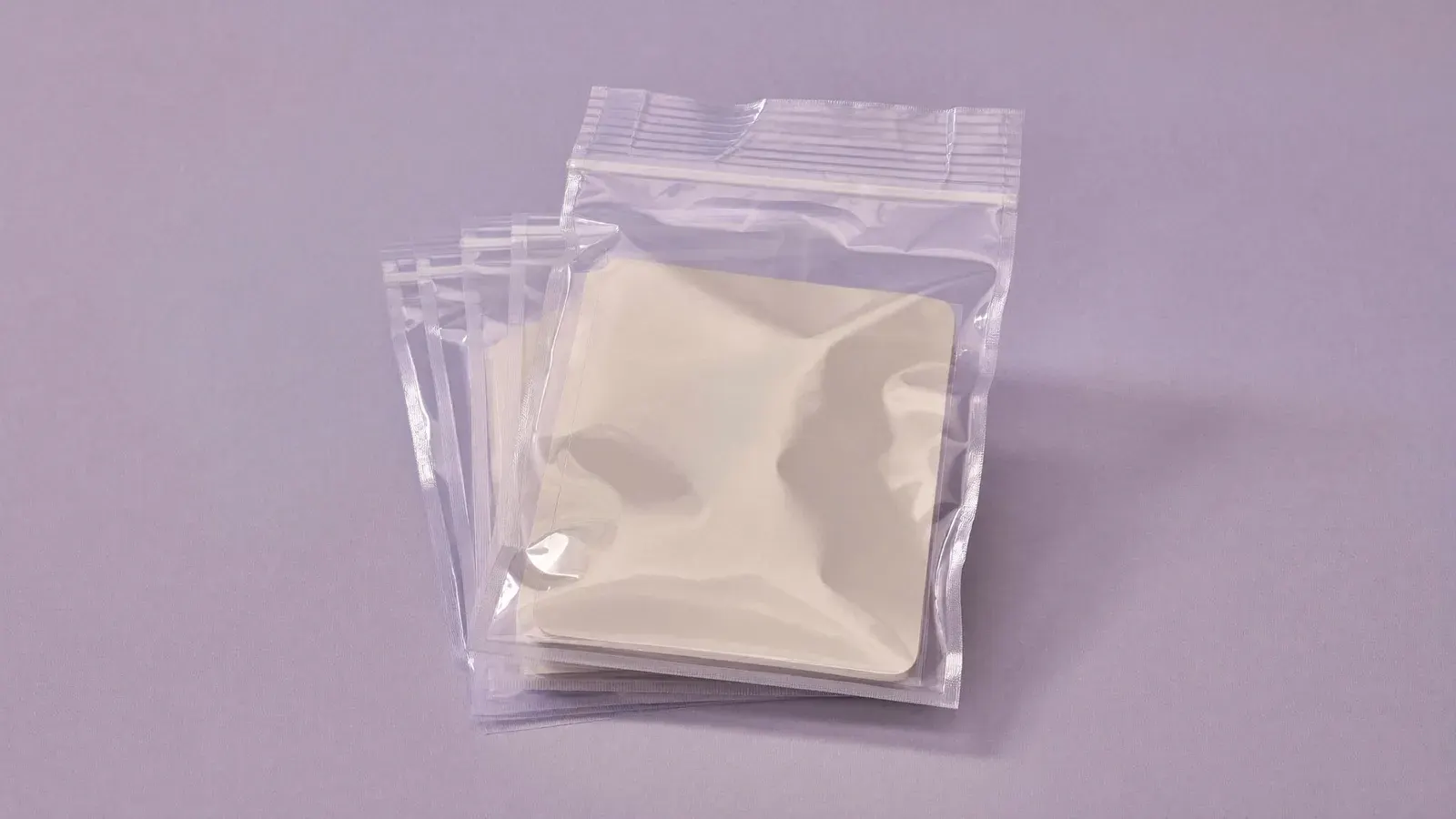
See on AmazonResealable team bags, 100 pack
A team bag over the toploader holds the card in place and keeps moisture out, for a few pence a card.
Typical price£4 to £7
See on AmazonBuy this kit
Copy the full list to take shopping, or print it.
Postage per order
What most orders like these go by, at today’s published prices. Prices checked 6 October 2026.
 Royal Mail 2nd Class Large LetterUsual
£1.55 to £2.70
Not trackedUp to 750 gSingle cards in a rigid mailer, jewellery and other flat items up to 750 g that fit through a letterbox.
- Royal Mail Tracked 48 Large Letter
£2.90
TrackedUp to 1 kgHigher-value cards and flat items up to 1 kg that need tracking and a delivery photo.
About £235 to £410 a month in postage at 35 orders a week On most marketplaces the buyer pays postage; this is the cost when you pay it.
How to lay it out
Where everything goes, so each order moves one way through the room.
- 1
Card boxes within arm's reach
Long card boxes sit on the desk's back edge, sorted by game, set and collector number, with a divider for every set. You read the set and number off the order and pull the card without standing up.
- 2
Packing strip in front of you
Penny sleeves, toploaders, team bags and rigid mailers go in a row on the left, the pocket scale and label printer on the right. Each order moves left to right and comes off the end sealed and weighed.
- 3
Outbox by the door
A shoebox by the door holds sealed letters until the post run. Anything tracked goes in a separate pile with its receipt clipped on, so you can enter the tracking number the same day.
The guide
Each step in the order you'll need it.
Sorting stock so picking takes a minute
Give each game its own box, then sort by set in release order and by collector number inside each set. Write the set code on every divider.
Cardmarket orders show the set and number, so you go straight to the right divider. Picking a ten-card order should take a couple of minutes.
Kit for this step
Listing condition and language accurately
Grade under a bright desk lamp and tilt each card to catch scratches and whitening. Choose the lower grade when you hesitate between two.
Set the card's language correctly too. A German print sent to a buyer who ordered English is the quickest way to a dispute.
Packing a letter that arrives flat
Sleeve each card, slide valuable ones into a toploader, close the stack in a team bag and put it in a rigid mailer. Tape the flap so nothing slides out.
Weigh every letter before you buy postage. A few extra toploaders can push it into the next band.
Printing addresses in batches
Pack all the day's orders first, then print the address labels in one go from the order list. A small thermal printer and a roll of labels save you writing out a dozen addresses by hand.
Mark each order as sent in Cardmarket the same evening, with tracking where you used it.
Getting paid on tracked orders
On a covered order, Cardmarket holds the money until the buyer confirms arrival. If they forget, message them, then ask Cardmarket support, who give the buyer a deadline to confirm.
Keep every post office receipt until the order is confirmed.
Restocking without clutter
Bulk you open from boosters or buy in collections goes in a separate box until you have sorted and listed it. Mixing unlisted cards into your stock boxes means picking errors later.
List in batches by set, so each card goes straight behind its divider.
Kit for this step
Common mistakes
Each one costs you money or reviews, and each has a fix.
- Grading a lightly played card as near mint brings returns and a bad rating. Pick the lower grade when unsure.
- Posting a card with no toploader lets the sorting machine bend it.
- Sending a valuable order without tracking leaves you with nothing to show Cardmarket if it goes missing.
- Keeping unsorted bulk in your stock boxes turns a two-minute pick into a twenty-minute search.
- Guessing a letter's weight means paying the postage difference yourself.


When to upgrade
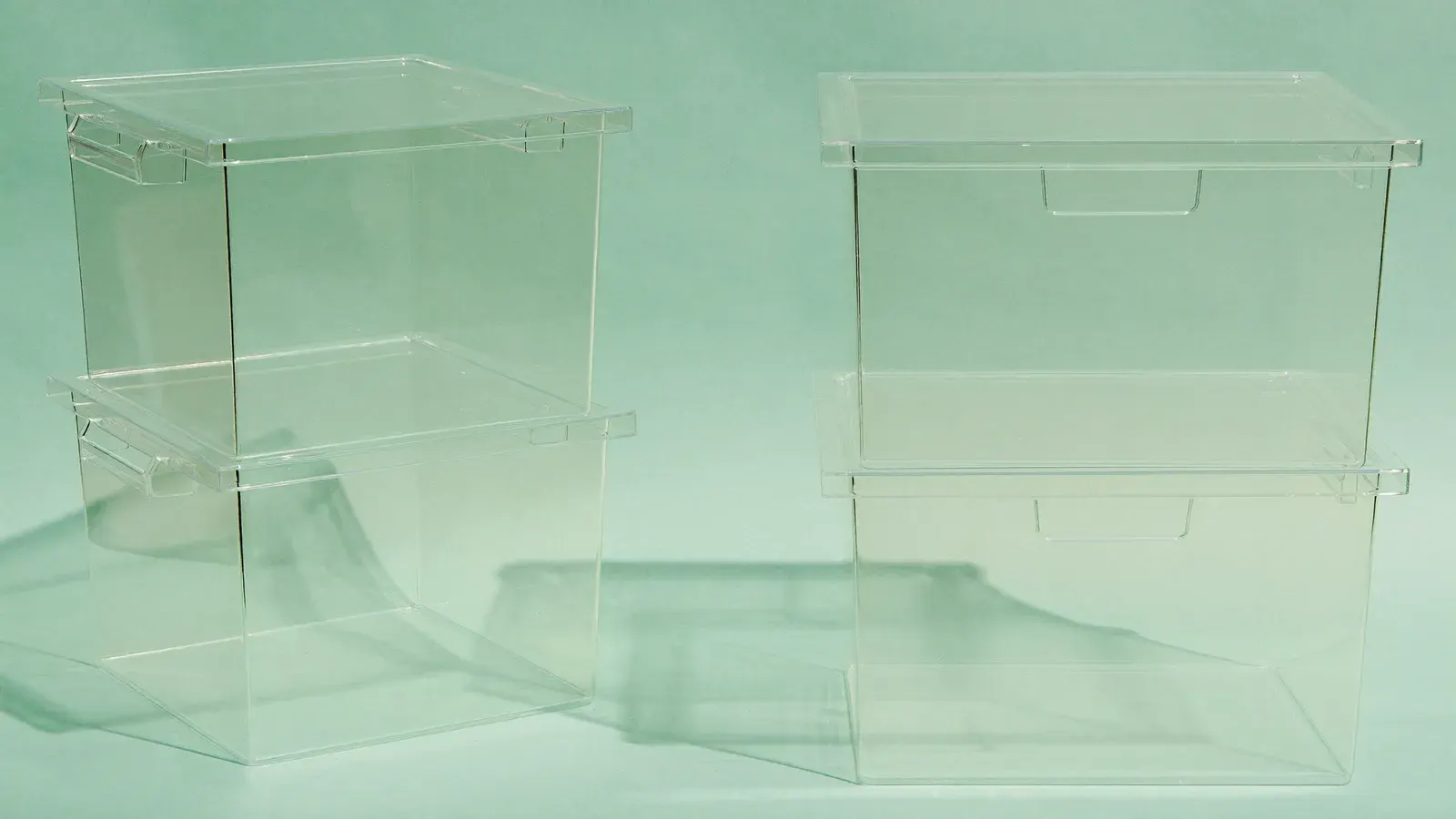
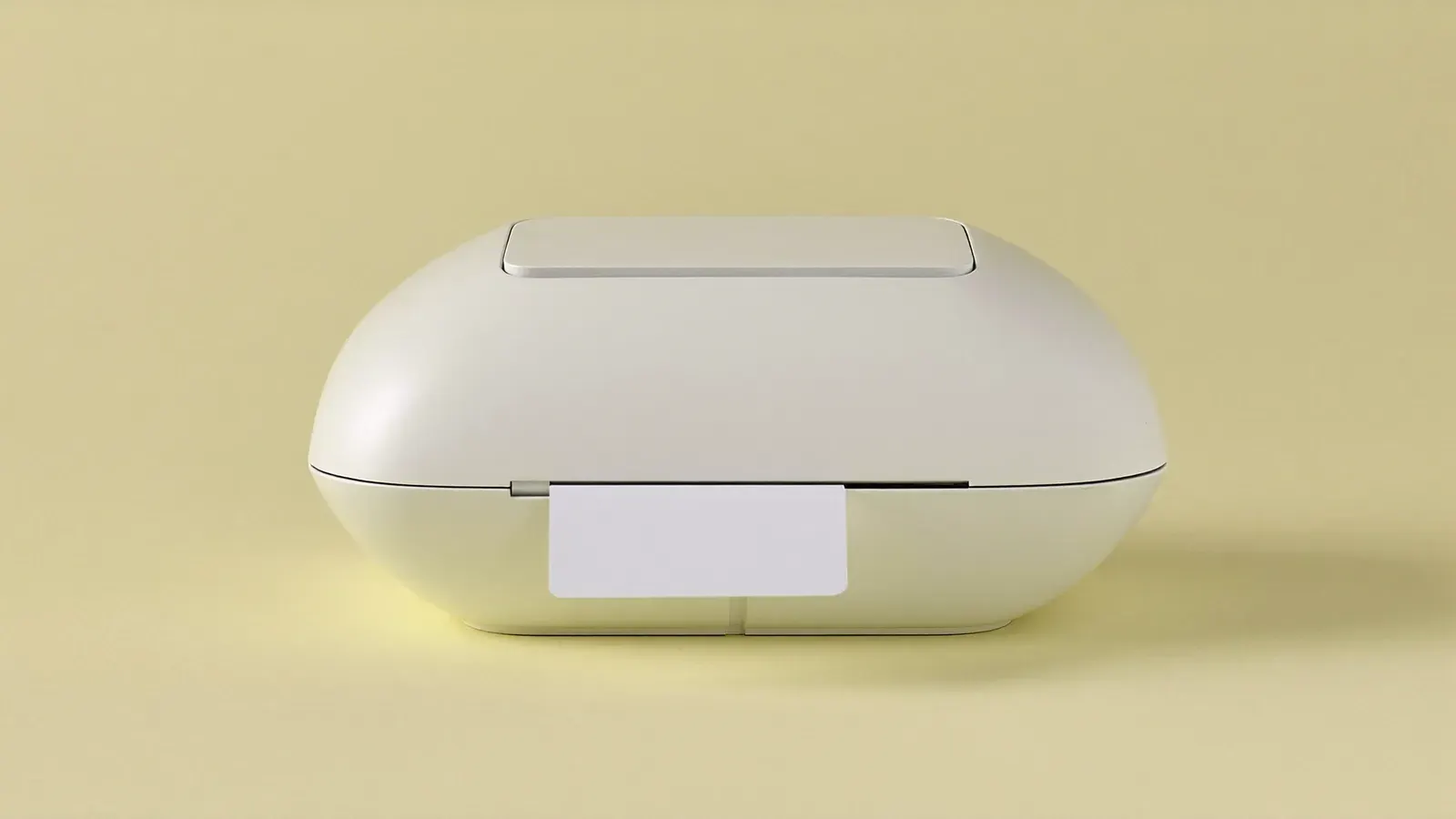
Once 30 or so orders go out each week, buy toploaders and rigid mailers by the hundred. At 40, a faster thermal printer with fanfold labels saves time on address labels. At 60, move older sets into clear tubs on a shelf and keep only your fast sellers on the desk.
- 40+ MUNBYN thermal label printer
- 60+ Clear stackable 32 L tubs
Questions
Straight answers to what sellers ask about this.
Do I need a camera to sell on Cardmarket?
No. Most singles sell from the shared product image. Photograph your own copy only for cards where centring and edges decide the price, front and back.
How should I post a single cheap card?
Penny sleeve, toploader, a small team bag over the top, then a rigid mailer. In the UK that usually fits Royal Mail's Large Letter size; weigh it and check the current price guide.
When should I send an order tracked?
Whenever losing it would hurt. Cardmarket's Trustee Service only covers tracked shipments, and only a status showing delivery to the buyer's address counts.
What happens if a buyer says the letter never arrived?
The buyer can report non-arrival only after 14 days. You then have 14 days to give Cardmarket the tracking number, or the buyer is refunded.
How do I keep stock and listings in step?
Pull the card from its box the moment the order lands and reduce the listing at once if you sell the same card at a card shop or on eBay.
Can I sell to EU buyers from the UK?
Yes, but letters to the EU need customs paperwork. Read Cardmarket's help on shipping from the UK before you open those countries.
How much does Cardmarket take?
A commission on each card sold, plus a small Trustee fee on covered orders. Check Cardmarket's fee table for the current rates before you price.
Guides
Step-by-step help for the jobs that come next.
More setups
Updated 8 October 2026