Skip to contentSeller Setups

Parcel scales ranked by how often they save a UK home seller from a postage surcharge, with the reason for each pick.

About this ranking

You need parcel scales to weigh every item before buying postage, so you pay the right rate and avoid carrier surcharges.

A platform scale handles boxed orders while a pocket scale reads the small weights that push card mailers into the next band. The pocket scale costs about £8 to £14 and the 50 kg platform scale £18 to £28.

How we chose

The criteria that set the order. Commission plays no part.

  1. 01Accurate at the weights where postage bands change
  2. 02Display readable with a box on top
  3. 03Big enough platform for your usual parcel
  4. 04Price against the surcharges it helps you avoid
  1. #1
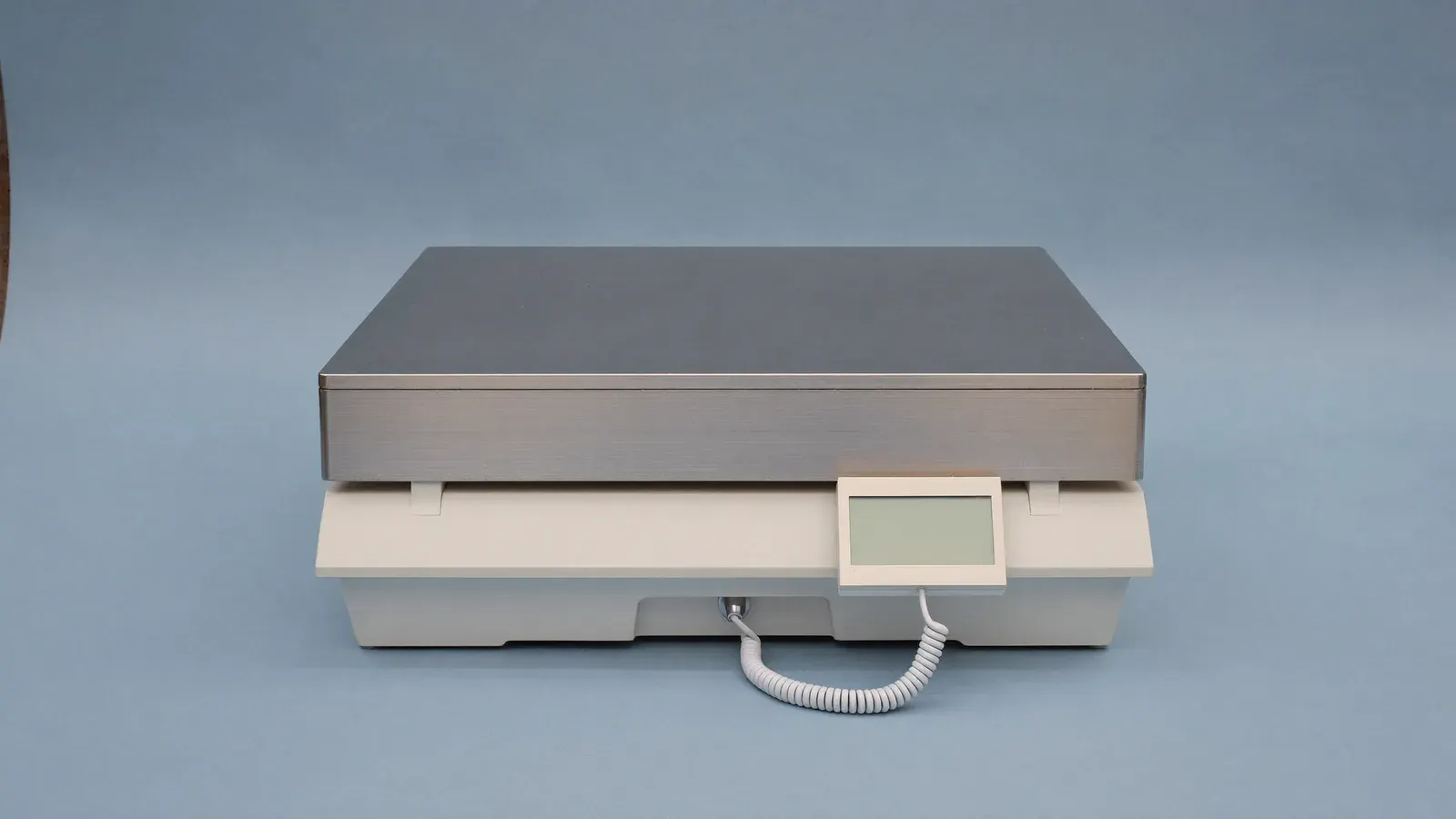
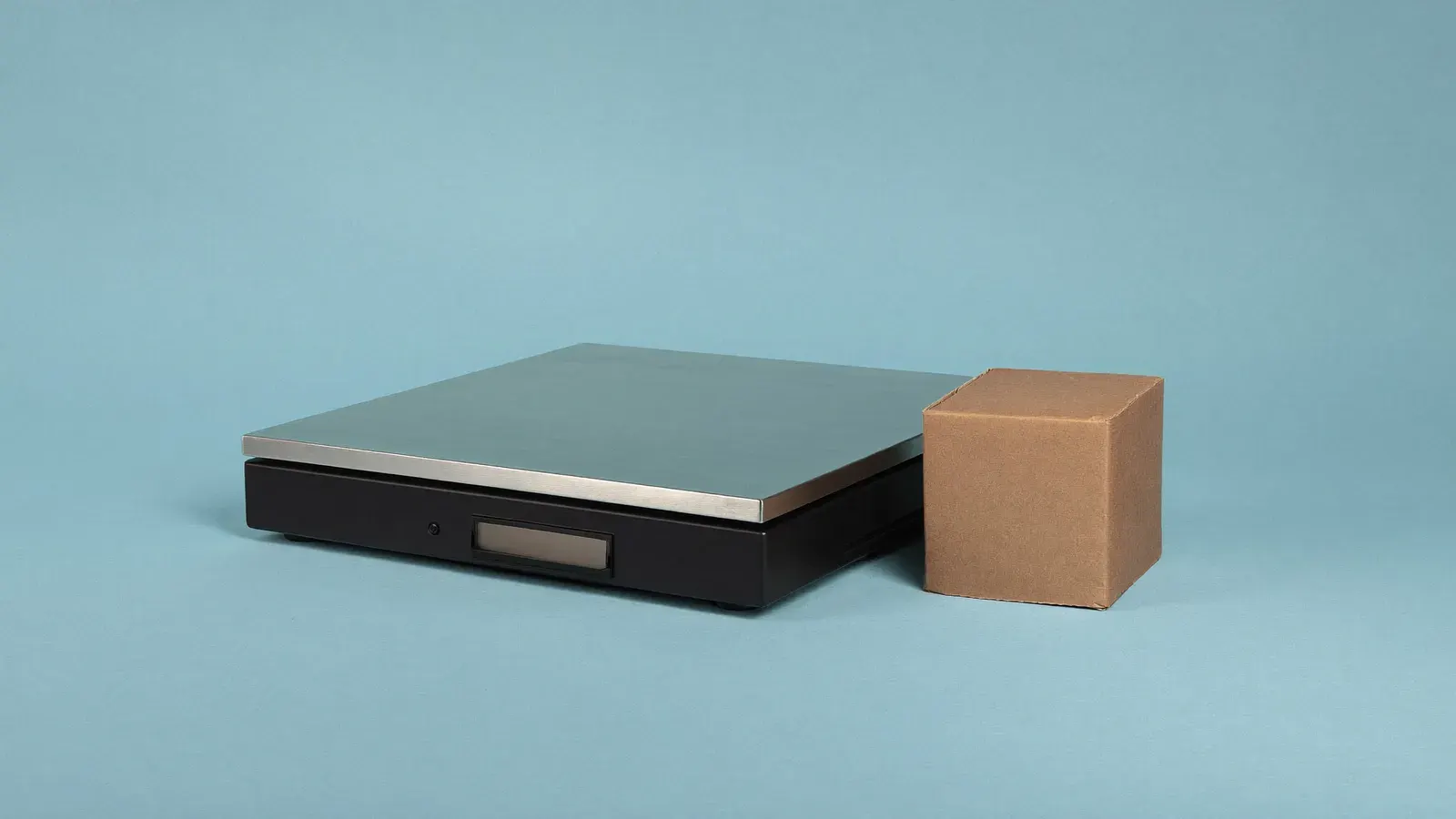
    50 kg digital parcel scale with fold-up display

    50 kg digital parcel scale with fold-up display

    Weighs everything from a letter to a boxed pair of boots, with a display you can read under a box.

    • Most home sellers
    • Boxed trainers and bundles
    • Weighing a single card to the gram

    Typical price

    £18to £28

    See on Amazon
  2. #2
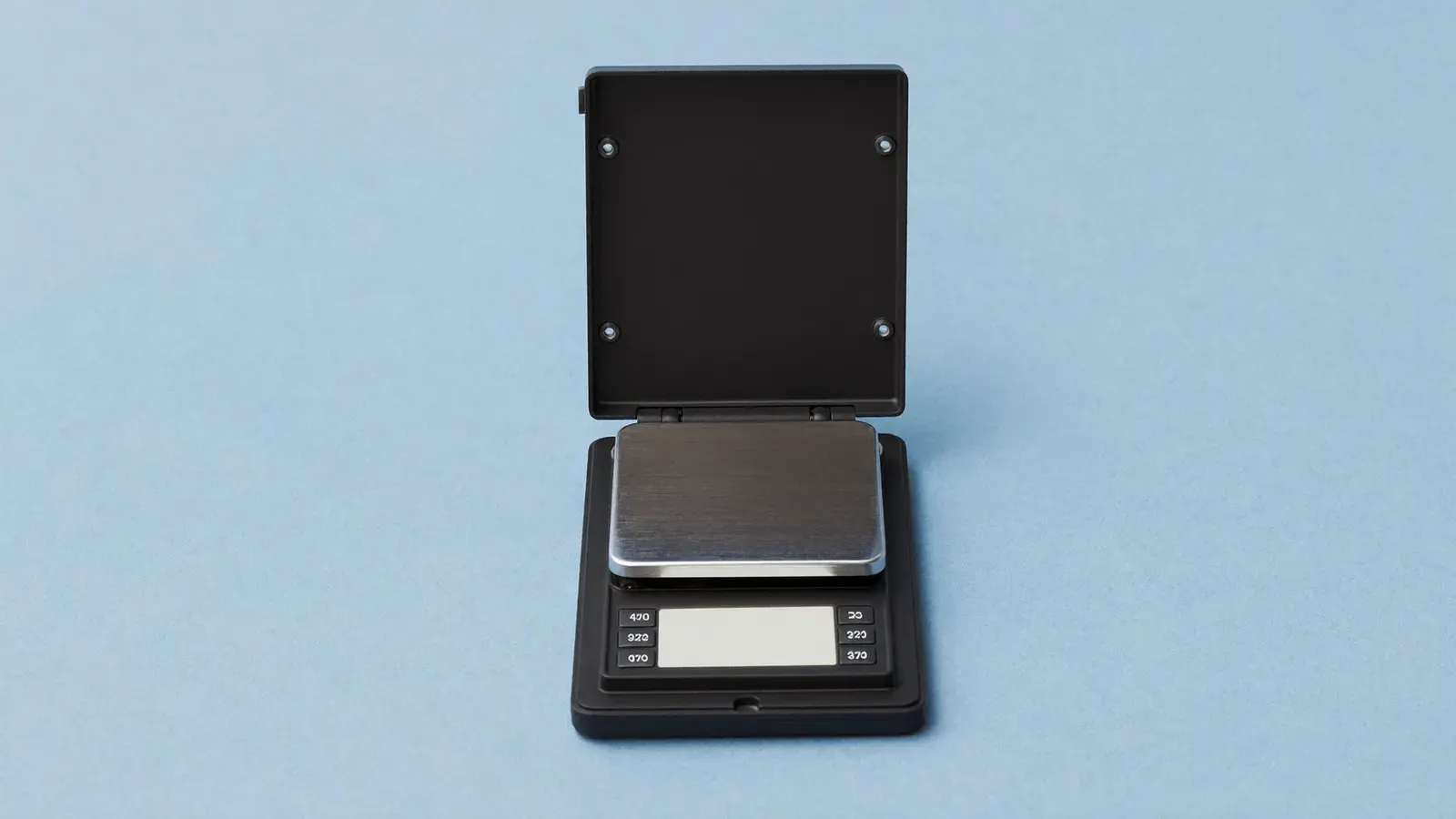
    500 g precision pocket scale

    500 g precision pocket scale

    For cards and small items that sit within a few grams of a postage limit.

    • Card mailers and letters
    • Items near a weight band
    • Anything over 500 g

    Typical price

    £8to £14

    See on Amazon
  3. #3
    30 kg digital postal scale

    30 kg digital postal scale

    A cheaper platform scale for lighter parcels. Choose it if you want to spend less or the 50 kg one is out of stock. Stay with the 50 kg model if you post heavy boxes.

    • A cheaper platform scale
    • Lighter parcels
    • Heavy boxed items near its limit

    Typical price

    £12to £20

    See on Amazon

The guide

Each step in the order you'll need it.

01

Platform or pocket

A platform scale handles boxed trainers, bundles of clothes and anything up to its limit. A pocket scale reads to a tenth of a gram, so you can tell whether a card mailer sits a gram or two under a weight band.

Keep both if you post both: the pocket scale for Large Letters and the platform for parcels.

02

Using postal scales for weight bands

Weigh the packed parcel, with the label and tape on, before you buy postage. Boxes and bubble wrap add more weight than the item alone suggests.

Check the weight bands on the carrier’s current price guide. Postal scales help you see exactly where your parcel sits against those limits. Royal Mail’s Large Letter limit is 750 g, for example.

03

Keeping it accurate

Tare the scale on a flat surface and check it now and then with something of known weight, like an unopened bag of sugar.

Replace the batteries when the display dims, because the reading drifts on a weak battery.
Questions

Straight answers to what sellers ask about this.

Do I need parcel scales to sell online?

Yes, if you print your own labels or buy postage by weight. The platform asks for the exact weight before you can generate a label.

Is a kitchen scale good enough?

For small items, often. A platform scale takes parcels too big for a kitchen scale's bowl, and you can still read its display beside the box.

What weight do I need to weigh up to?

Check your heaviest parcel. A 30 or 50 kg scale covers more than most parcels you post from home.

Should I weigh with the label on?

Always weigh the sealed parcel. The carrier charges for the total weight, including packaging and adhesive.

Do I need a pocket scale for cards?

Only if you post thin mailers regularly. A pocket scale reads the small differences that push a card mailer into the next band.

How do I check my scale is accurate?

Test it monthly. Place a sealed 1 kg bag of sugar on the platform and check the display matches within a gram.