






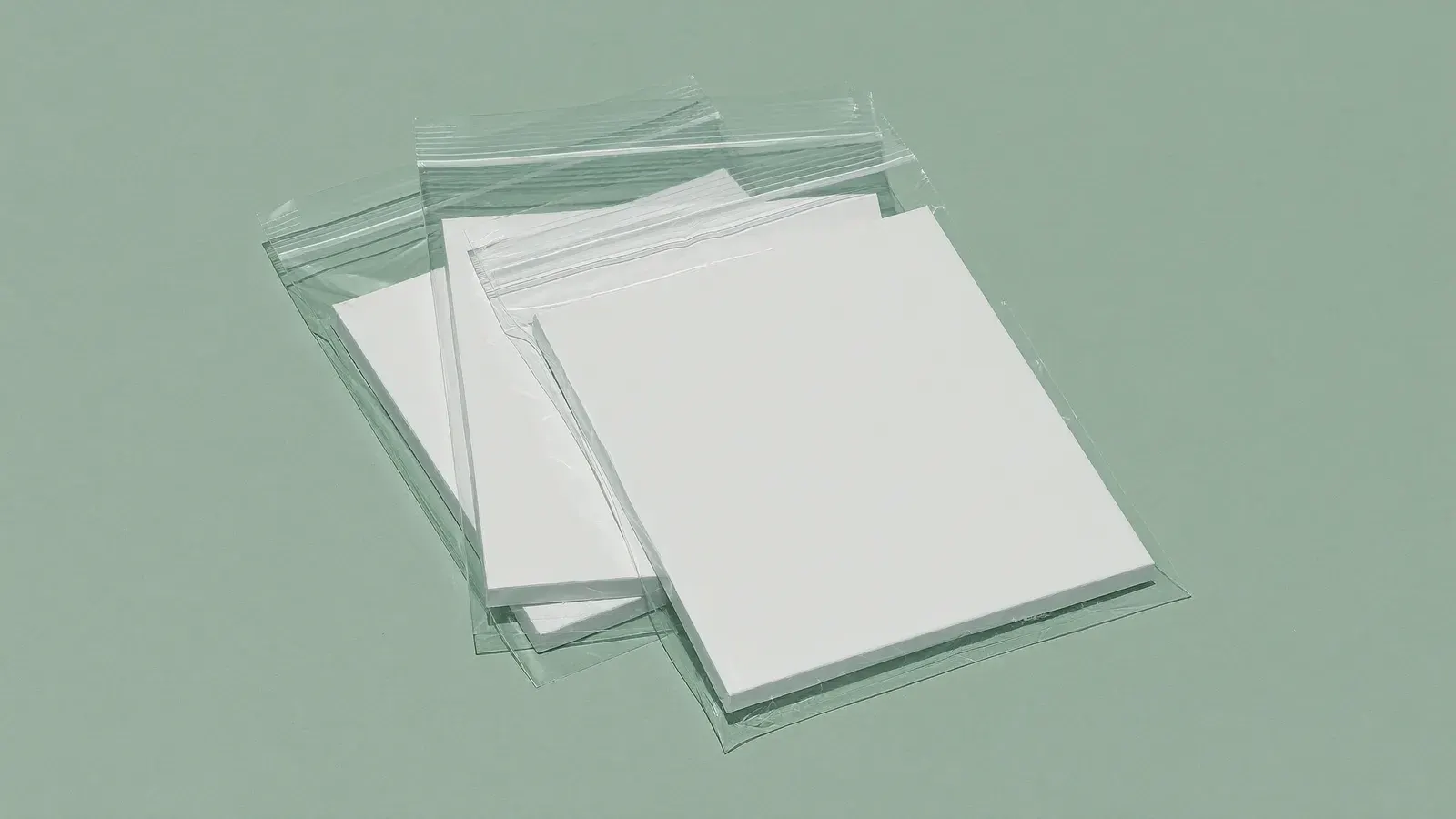
A bag and a stiff board for each single issue.
Typical price
$15 to $30

Why we pick it
- Typical price
- $15 to $30
- Works with






Buyers expect a comic to arrive bagged and boarded. The board stops spine rolls and bent corners in the mail; the bag keeps moisture out.
Our approved alternative for the same job: Bubble wrap, 12 in x 175 ft
The guide
Each step in the order you'll need it.
Comic sellers who need bags and boards
Bags and boards suit you if you sell single issues or short runs on eBay, Whatnot or Mercari. Clearing a back-issue collection gets through a 100 pack fast, while listing a few keys a month can make one last most of a year.
Slabbed books and trade paperbacks need different packing. These are for floppy single issues, the format most comic buyers ask to see bagged and boarded in your photos.
Matching the size to the era
Comics come in different sizes by era, and bags are cut to match. Current or modern bags measure about 6 7/8 by 10 1/2 inches and fit most comics printed from the 1980s onward. Silver Age and Golden Age books are wider and need their own bags.
Current-size boards are slightly narrower than the bag, about 6 3/4 by 10 1/2 inches, so the comic and board slide in together. Choose boards described as acid free or buffered, and bags in polypropylene; Mylar sleeves cost more and suit high-value keys.
Annuals and thick prestige-format books need a thicker bag. If a book strains the seams of a standard current bag, order the thick size for it.
Bagging a book for sale and for shipping
Place the board behind the comic, glossy side toward the back cover, and slide both into the bag together, spine first. Fold the flap over the back and close it with the tape strip or a small piece of low-tack tape that does not touch the comic.
For shipping, sandwich the bagged book between two pieces of corrugated cardboard cut slightly larger than the bag, then put it in a stiff mailer or a flat box. Weigh it before you buy a label; a comic plus cardboard ships as a package, not a flat.
Other ways to protect and ship comics
Use bubble wrap as a fallback for shipping. It cushions knocks, but it won't stop a spine roll unless you bag and board the book first.
A comic long box keeps bagged books upright at home. Bag first, then box, and the boards stop the books slumping in a half-full row.
Double-wall boxes, 18 × 12 × 8 in, suit bulk lots of twenty issues or more, where mailers would buckle under the weight.


Cost and when to rebag
At $15 to $30 for 100 sets, a bag and board costs roughly 15 to 30 cents per comic. On a $3 back issue that is a fair share of the sale, so bag only books above a price you set and sell the rest as lots.
Polypropylene bags yellow and boards lose their buffering over the years. If you buy a collection in old bags, replace them before you photograph the books: yellowed bags dull a clean comic.
Common mistakes
Each one costs you money or reviews, and each has a fix.
- Silver Age books bend at the edges in current-size bags. Measure the comic and order the size for its era.
- Fold the flap over and tape it to the bag, not the comic, or you leave residue on the cover.
- A board in front of the comic hides the cover in photos, so place it behind the back cover.
- Stiff cardboard on both sides, or a flat box, stops spine rolls that a soft mailer lets through.
- Rebag books before listing, because yellowed bags dull the covers.
Setups that use it
Complete kits this product is part of.


Questions
Straight answers to what sellers ask about this.
Do I need to bag and board every comic?
Buyers expect it for anything listed as a single issue. Low-value issues sold as a bundle can share a bag or go straight into a box.
Which bag size fits modern comics?
Current or modern size, about 6 7/8 by 10 1/2 inches, fits most comics from the mid 1980s onward. Older books need Silver or Golden Age sizes.
Which way does the board face?
The white or coated side faces the comic. The board goes behind the back cover so the front stays visible.
Are Mylar sleeves better than polypropylene bags?
Mylar lasts longer and stays clear for decades, which suits valuable keys. For everyday stock, polypropylene bags cost far less.
How often should I replace bags and boards?
Check them every few years. Replace a bag that has yellowed or a board that has gone brittle, especially before you sell the book.
Alternatives
Other picks for the same job, cheaper and pricier.
Zip-top bags, 4 × 6 in, 100 pack
A coiled charger, a set of earrings or a bag of spare game pieces fits a 4 × 6 in zip-top bag, and you can write the SKU on the white block. Pick a larger size if you bag laptop power bricks or whole controllers.
Typical price$5 to $10
See on AmazonCoin capsules, assorted sizes, 100 pack
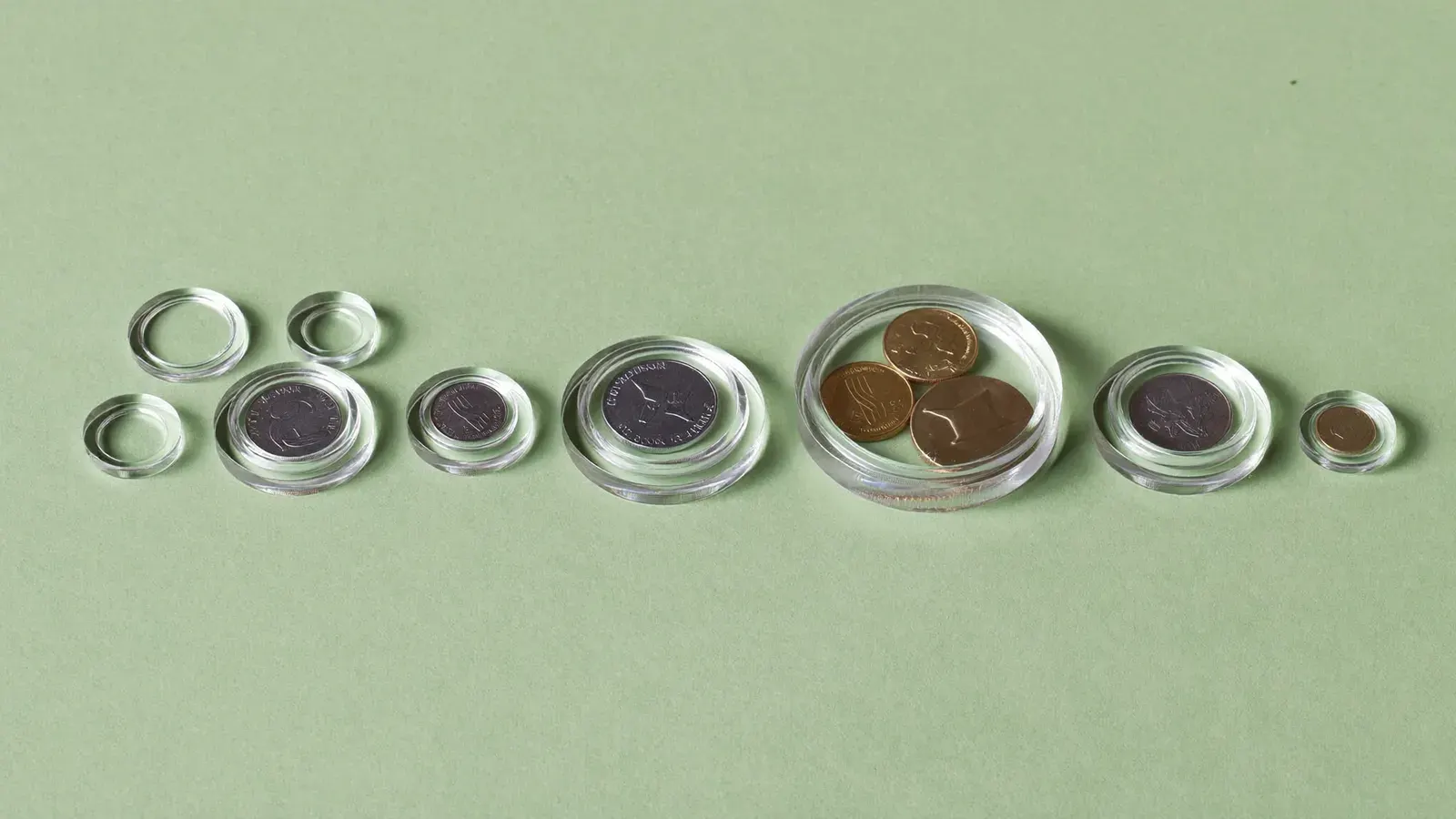
A fingerprint on a coin's surface can knock its value. Capsules show both faces on your stream and protect the coin in the mail.
Typical price$8 to $15
See on AmazonAcid-free tissue paper, 100 sheets
A sheet of tissue costs pennies and changes how a $20 vintage shirt feels on arrival.
Typical price$10 to $16
See on AmazonBox protectors for vinyl figures, 20 pack
Collectors pay for the box as much as the figure. A protector guards the corners and the window against crushing and scuffs, on the shelf and in the mail.
Typical price$12 to $20
See on Amazon